The problem in the weeks between seasons is rarely the coat. It's the missing middle layer. A thin base, one insulating mid and a shell you can carry in one hand cover a wide temperature range, and you probably own most of it already.
The instinct in April and October is to buy a lighter jacket, which doesn't fix much, because the jacket was the part that already worked. Change the middle layer instead, and the outer layer you own stays useful for weeks longer at each end of the year.
The three-layer formula
Every combination in this column is the same three jobs. Learn the jobs and you stop needing instructions, because the formula holds whether the pieces are cashmere or cotton.
- Base: thin, breathable, next to the skin — A cotton tee, a fine merino layer or a poplin shirt. If the base is thick, nothing you add on top will sit properly and you will overheat indoors.
- Mid: the insulating layer, and the one you change — A fine merino crewneck, a cardigan, a hoodie, a denim jacket. This is the layer that gets added at 6pm and removed at noon, so it has to be thin enough to fold into a bag.
- Shell: wind and rain only — Trench, wool blazer, leather jacket, anorak. The shell is not there for warmth, which is why a light one works in October as well as April.

The four temperature bands
What to wear, and what it costs to add the missing layer
| Band | What you wear | Secondhand cost of the layer you probably lack |
|---|---|---|
| About 72–79°F | Base only, shell carried | Nothing new needed |
| About 63–72°F | Base, shell worn open | A light-colored shell, often $20–35 used (est.) |
| About 54–63°F | Base, light mid, shell open or carried | A fine merino mid, often $14–22 used (est.) |
| About 43–54°F | Base, mid, second mid or overshirt, shell closed | An overshirt, often $22–35 used (est.) |
| Below about 43°F | This is not a between-seasons week. Wear the winter coat. | Nothing: stop improvising |
Read the bands as a rough guide, not hard thresholds. Notice that only one of the three layers changes as you move up and down the table, and it's usually the cheapest one to find secondhand.
What the wardrobe already contains
Before buying anything, walk the wardrobe and sort it by job rather than by garment type. Almost every wardrobe already holds a full set of layers; they are simply filed under occasions instead of under function.
- Bases already owned — White shirt, striped tee, silk camisole, merino base layer from a winter trip.
- Mids already owned — Fine merino crewneck, cardigan, hoodie, denim jacket, quilted gilet.
- Shells already owned — Trench, wool blazer, leather jacket, unlined anorak, oversized shirt worn as a layer.
- What is usually missing — A thin mid in a neutral color, and a shell light enough to carry. Those are the only two worthwhile purchases.
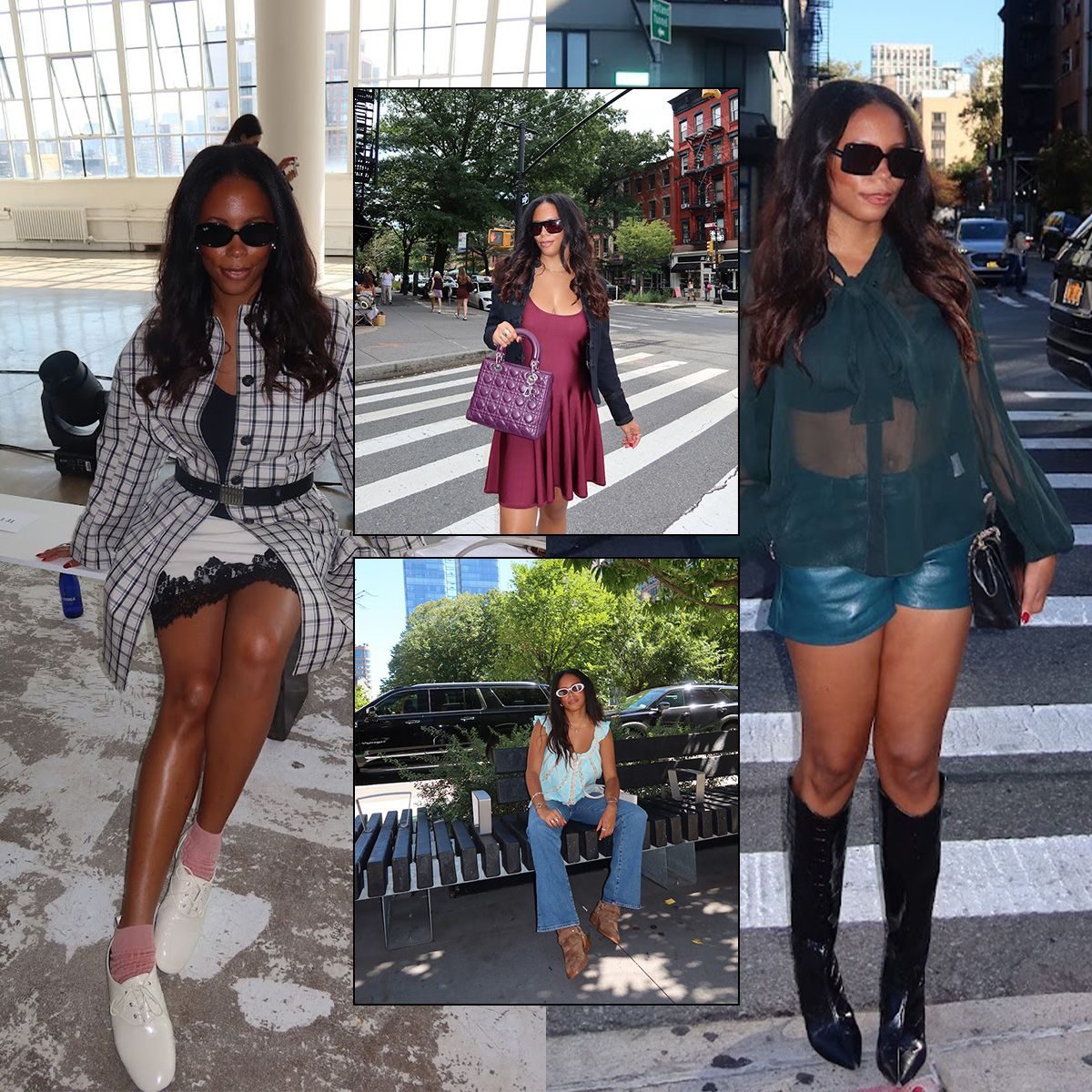
How to layer without wearing everything at once
- 1
Keep the lengths staggered
A cropped mid over a longer shirt hem reads deliberate. The same two pieces at the same length read like an accident, and no amount of styling fixes it.
- 2
Keep the colors to two, plus a neutral
Three colors in three layers is where layering starts to look like packing.
- 3
Put the thinnest fabric closest to the body
Fiber weight should increase outward. A chunky knit under a fine shirt means neither piece behaves.
- 4
Leave the shell unfastened indoors
The shell exists for outside. Worn open inside, the layers underneath stay visible and the outfit still has a line.
- 5
Carry the mid, not the shell
If you are going to take something off and hold it, take off the mid. A folded shell looks like luggage; a folded knit looks like a choice.
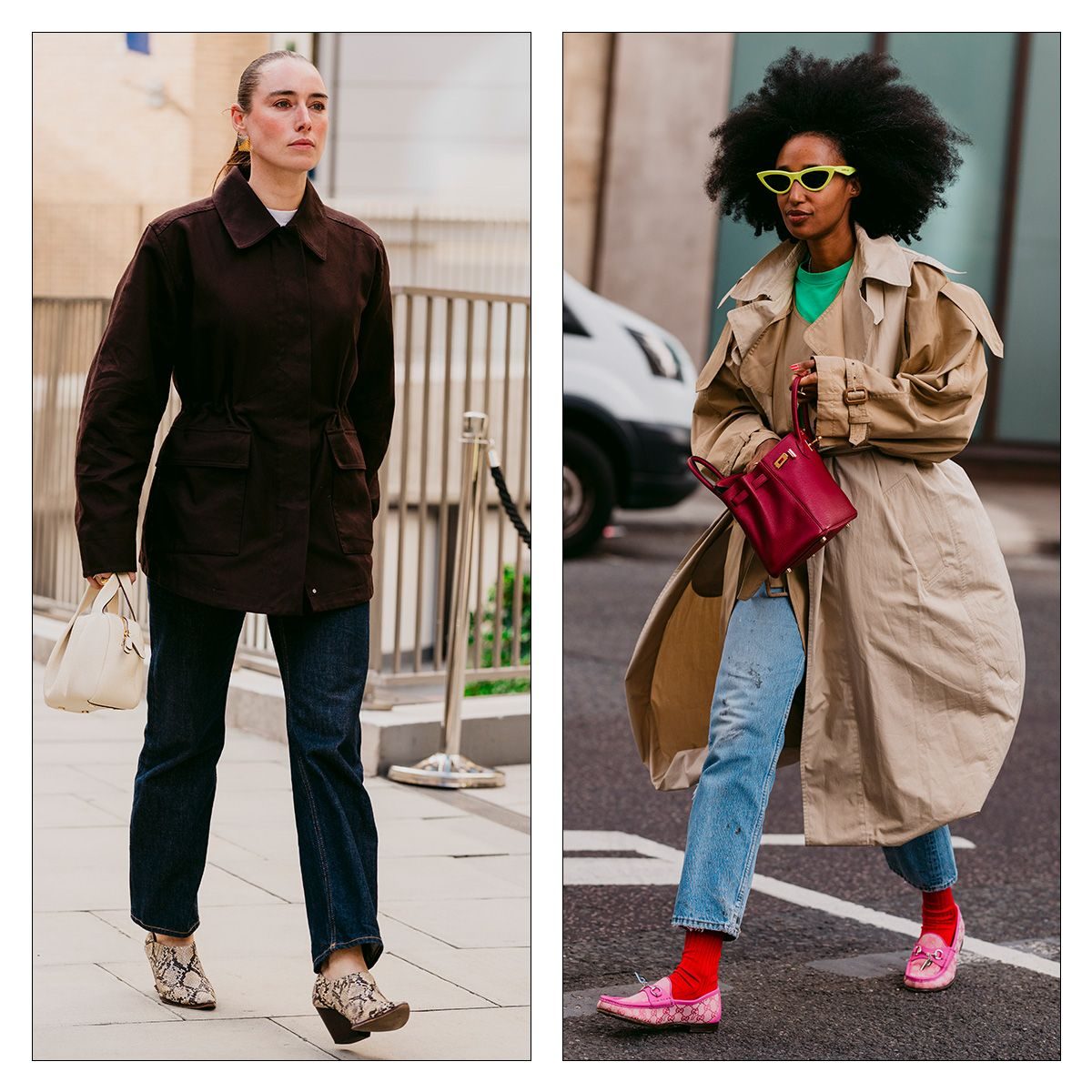
The two gaps worth buying
Two purchases fix most between-seasons wardrobes, and both tend to be cheap secondhand. A fine merino crewneck in a neutral color does more work than a new jacket, and a light unlined shell does more than a new coat. Merino is the fiber to look for; Woolmark puts it at generally under 22 microns, fine enough to wear next to skin.
Five secondhand layers that do the work
Buy the mid layer first: it is the layer that changes, and therefore the one that earns its keep. Prices are shown only where we confirmed them on the brand or retailer page in Oct 2026.
Buy this firstSecondhand knitwear
Fine merino crewneck
The most useful garment in a between-seasons wardrobe: thin enough to sit under a blazer and warm enough to stand in for one on a mild day. US fiber labels must list every fiber at 5 percent or more by name and percentage, so "100% merino wool" is checkable.
Search listingsVintage workwear
Unlined cotton overshirt
Unlined is the whole point: it adds a layer of wind resistance without adding insulation. Anything quilted belongs in a colder month.
Search listings
Secondhand outerwear
Lightweight cotton trench
Look for a cotton poplin or cotton-nylon shell rather than a heavy gabardine. The lighter the cloth, the longer the season it covers.
Search listings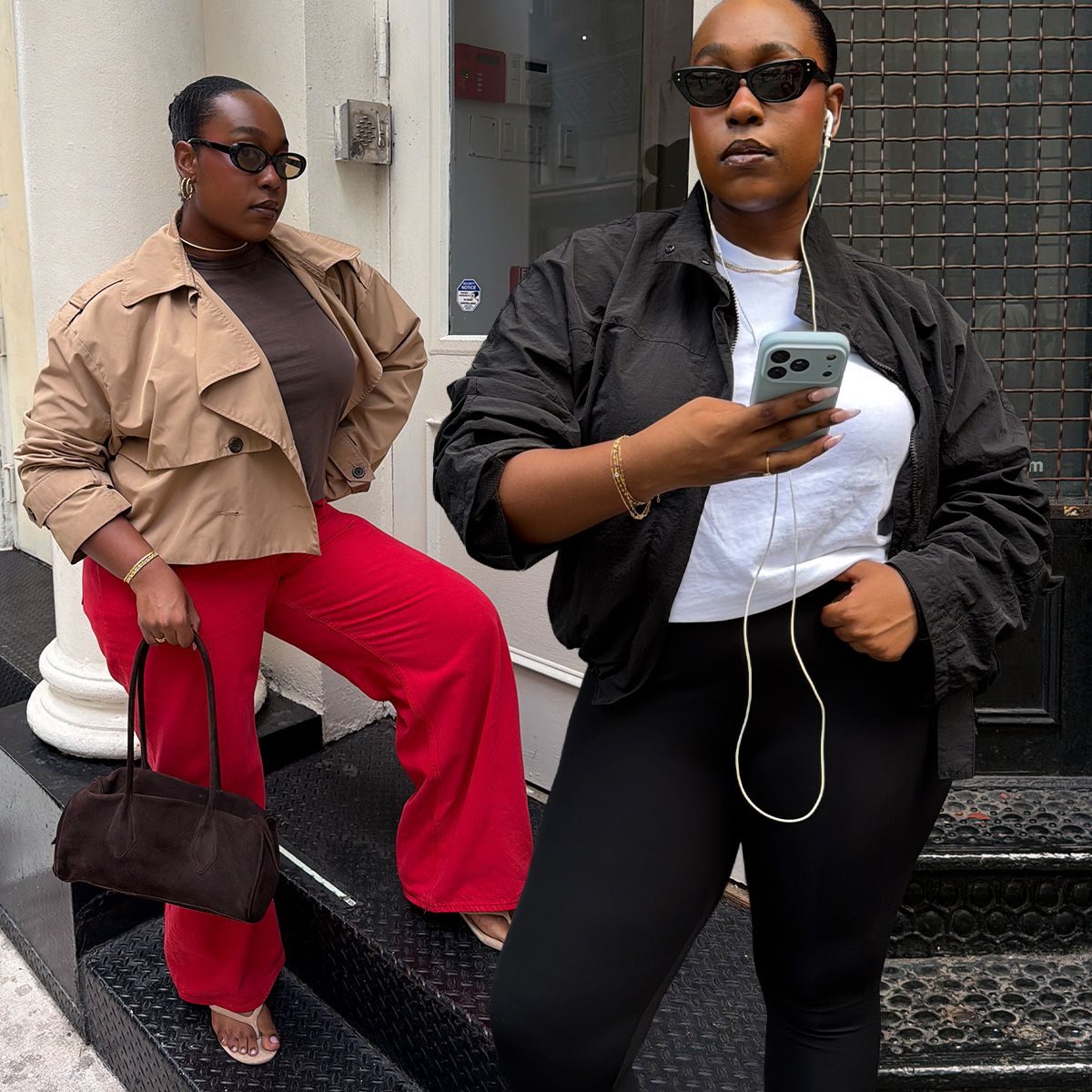
Pre-owned denim
Oversized denim jacket
Buy two sizes up from your usual and treat it as a shell rather than a jacket. Denim blocks wind better than any knit and does not need washing often.
Search listings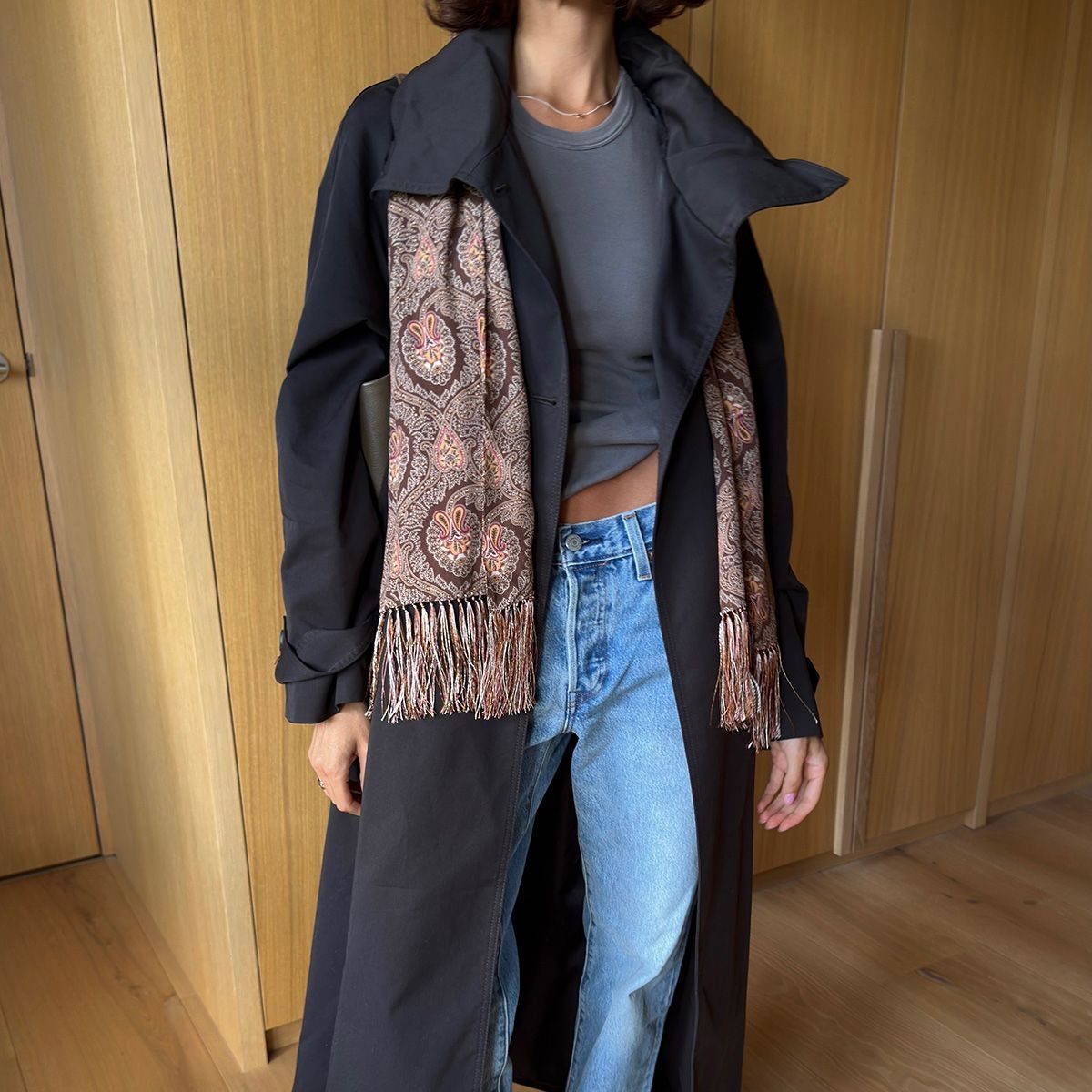
Fine knitwear
Longline cardigan
A cardigan worn open replaces the open-coat look at a third of the weight. Buy one long enough to reach the mid-thigh, or it reads as a sweater instead.
Search listings