A secondhand price is information, and sometimes it is telling you that nobody wants the thing because it cannot be made safe again. Mattresses, car seats, helmets, smoke alarms and anything with a lithium cell fall into that group. Everywhere else, used is usually the better buy.
The categories to avoid all share a feature: the part that fails is the part you cannot inspect, and the failure is dangerous rather than merely ugly. Where the failure is visible, such as a cracked leg or a worn seat, secondhand is a normal purchase with a normal inspection.
The eight categories to skip
What not to buy used, and why
| Category | Why used is a bad idea | The safe alternative |
|---|---|---|
| Mattresses and pillows | Bed bugs, mites and body fluids cannot be removed reliably | Buy new, and buy a washable protector |
| Child car seats | Crash history is invisible, shells age, and expiry dates are printed on the shell | Buy new, or accept one from a known person with a receipt |
| Helmets | Polystyrene foam is a single-impact material and damage does not show | Buy new and replace after any impact |
| Smoke and carbon monoxide alarms | Sensors degrade, and the U.S. Fire Administration says to replace smoke alarms 10 years from the manufacture date | Buy new, and note the manufacture date on the back |
| Lithium battery devices | Damaged cells can enter thermal runaway with no visible warning | Buy new from a retailer with a warranty |
| Non-stick cookware | The coating is the function, and a scratched pan is finished | Buy cast iron, carbon steel or stainless steel used instead |
| Old electric blankets and vintage electrics | Brittle cords and degraded elements, often with no ground | Buy new from a shop, or have an appliance rewired professionally |
| Swollen particleboard furniture | Swollen board cannot be flattened or re-fixed | Buy solid wood, which can be repaired |
The two that people argue about
Cast iron is the one most often surrounded by confusion. A used pan is a good buy because the whole cooking surface can be stripped back to bare metal and reseasoned, which is not true of anything with a coating. The exception is a pan that has been used for melting lead, a real practice in older workshops and one reason a very cheap, very old pan from a garage clear-out is worth a moment of scepticism. A wash, a scrub and a fresh seasoning removes surface contamination; a hairline crack or a warped base cannot be fixed and both are easy to see.
Leather upholstery is the other. Real leather that has been looked after ages well and can be conditioned. Bonded leather, which is a leather fiber and polyurethane composite, peels in sheets and is not repairable at any price, and it is common in furniture from the last twenty years. If the label says bonded, bycast or bicast, the sofa is a delivery charge with a seat attached.
Six categories where secondhand beats new
These are the purchases where used is not a compromise. Prices are shown only where we confirmed them on the brand or retailer page in Oct 2026.
 Best value
Vintage
Solid oak chest of drawers
Solid timber furniture is the strongest case for buying used. Dovetail joints can be re-glued and runners waxed, which is not true of a chipboard carcass.
Compare listings
Vintage
Cast iron skillet, 10 inch
A used pan costs a third of a new one and works identically once the seasoning is rebuilt. Avoid cracks at the handle and any base that rocks on a flat surface.
Check prices
Vintage
Carbon steel frying pan
Thinner, lighter and just as restorable, which suits anyone who finds cast iron too heavy for daily use. A rusted pan is a bargain because rust is only surface.
Compare listings
Vintage
Oak ladder-back chairs, set of four
Chairs are the most common secondhand furniture and the easiest to judge. A chair that creaks at the joints can be re-glued; a chair with a split seat cannot be saved cheaply.
Compare listings
Vintage
Solid timber bookcase, 6 ft
A tall bookcase is worth buying used because the material is the cost. Check that the shelves are solid rather than veneered board, and that it stands square.
Compare listingsVintage
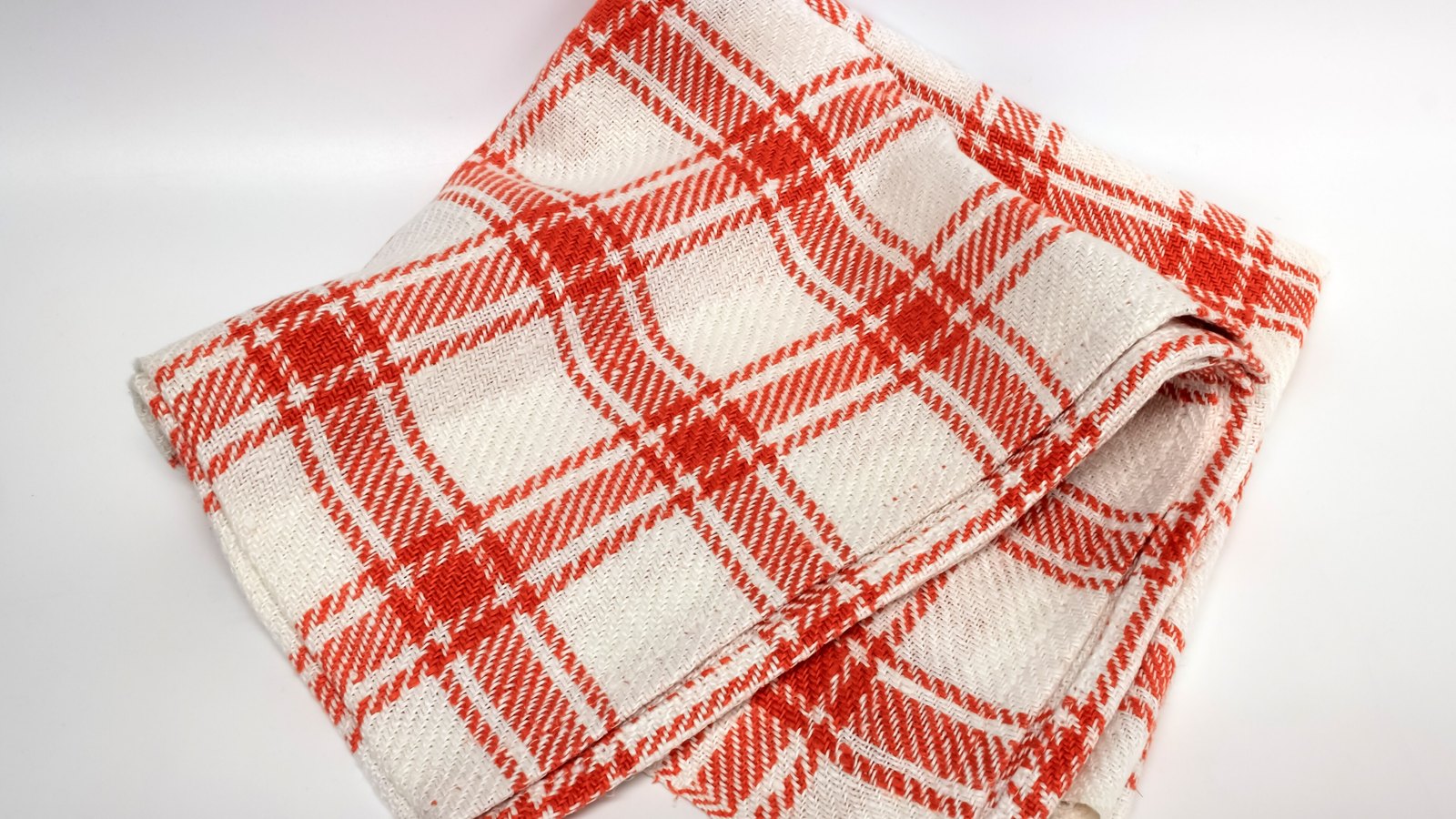
Pure wool blanket
Wool textiles are cheap to buy used, wash well at low temperature and can be mended. The thing to look for is moth grazing rather than wear.
Compare listingsWhy appliances are a separate case
- 1
Buy refurbished, not privately sold, for anything older
A washer, dryer or dishwasher past about ten years old has parts that are no longer made, so a cheap machine that fails in three months is worse value than a pricier refurbished one with a warranty.
- 2
Check the energy cost before the price
An old fridge or freezer can cost more in electricity over two years than a new one costs outright, and that is before the failure it is about to have. Energy labels on the appliance give you the number.
- 3
Never buy a plug-in appliance with a cut cord
A missing plug is sometimes a missing ground, and sometimes a machine that tripped a circuit breaker for a reason the seller is not mentioning. Rewirable, yes, but only if you can test it properly.
- 4
Skip anything gas
Gas appliances need to be installed and checked by a registered engineer in almost every jurisdiction, and the check costs more than a used cooker saves. Buy electric secondhand, buy gas new.
What the exclusions leave you
Everything excluded above leaves a large field. Solid wood furniture, metal and glass, cast iron and carbon steel, wool textiles, lamps with new cord, rugs with a sound backing and shelving made of real timber all improve with age and cost a fraction of new. Secondhand is a bad idea only where the object carries a hidden safety function, which is a narrow slice of what a home contains.