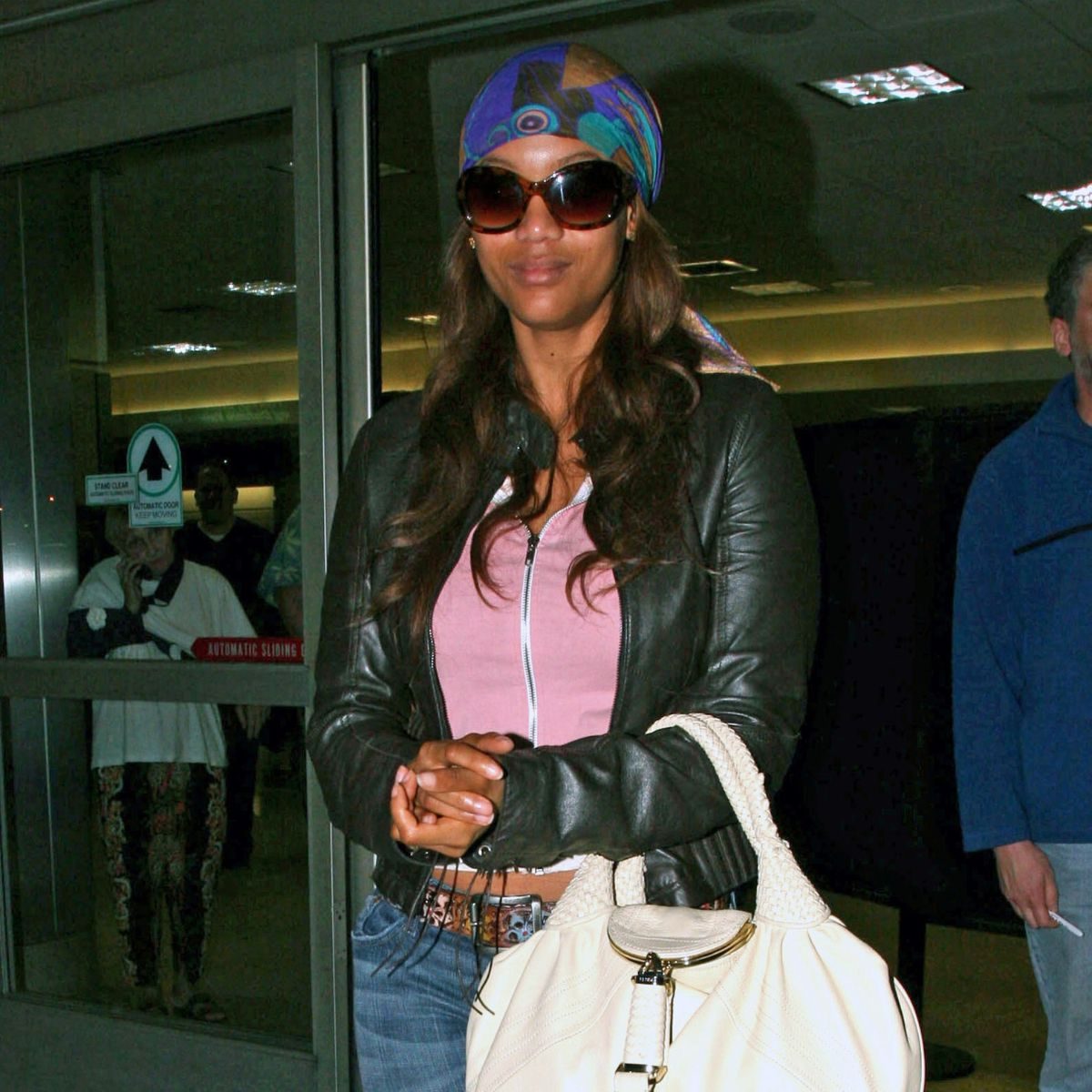
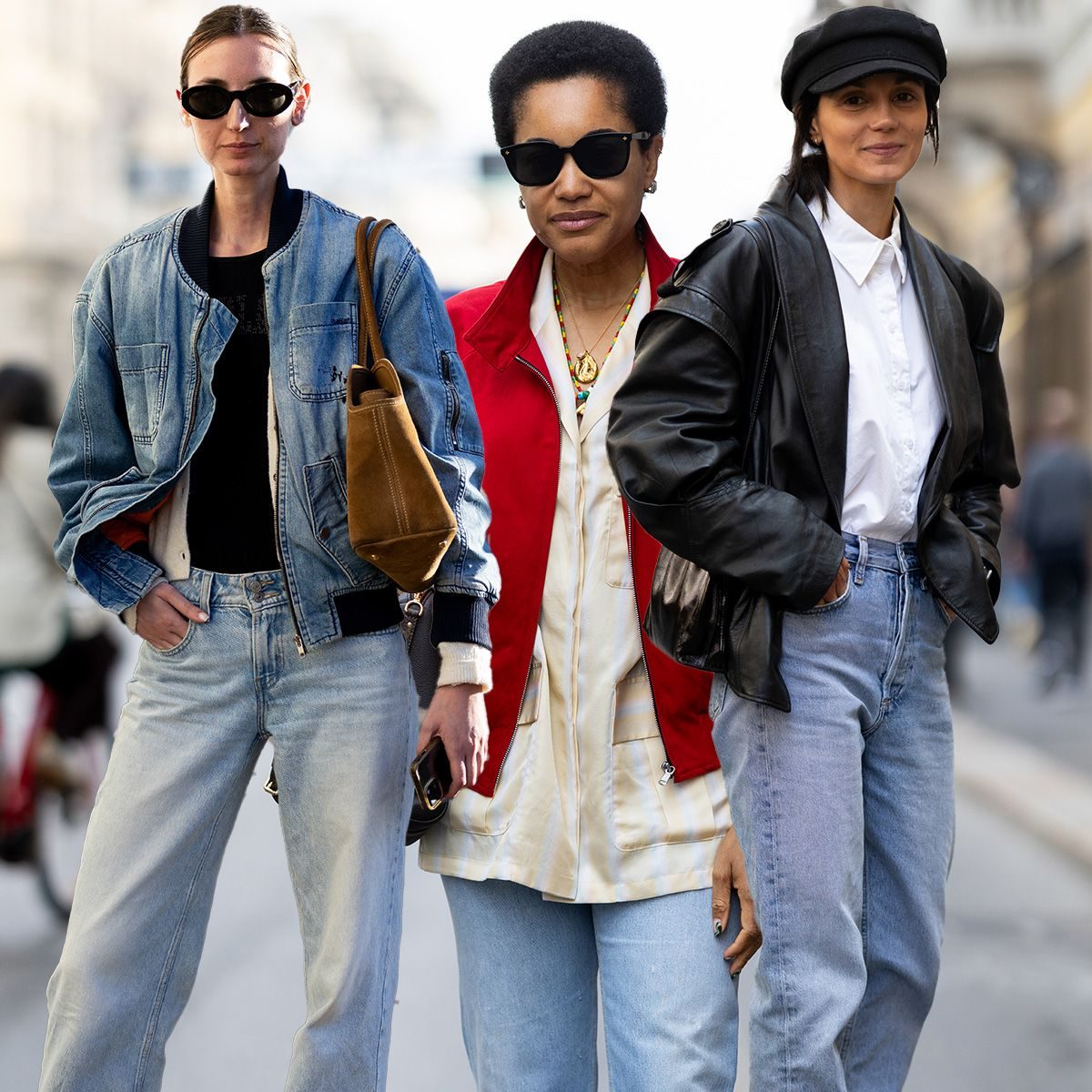
The best-dressed people at a Brooklyn flea market are not shopping. They are selling. A trader behind a folding table from seven in the morning until four in the afternoon is wearing an outfit that has been tested harder than anything on the rails, and it usually costs less than one item on them.
Thriftfile spent two Saturdays in September at the outdoor markets in Williamsburg and Fort Greene, photographing sellers through load-in, the slow midday hours and the pack-down. The weather set a severe brief: cold and damp at seven, warm and bright by noon, then a wind off the water that arrives without warning. Almost every outfit that held up solved it the same way.
The three-layer sandwich
Nobody was dressed for a single temperature. The people who looked comfortable at both ends of the day wore a cotton base layer, a light knit or a brushed flannel shirt, and a jacket heavy enough to keep the wind off. The jacket came off at eleven and went back on at six. Sleeves were pushed up rather than removed, which is a small decision that keeps the whole thing looking deliberate rather than improvised.
- Cotton next to the skin — Every trader who stayed comfortable was wearing cotton or linen as the base. Synthetics trap the heat of nine hours of lifting and start to read as tired by mid-afternoon.
- A canvas jacket with real pockets — Chore coats and heavy denim dominated, and utility pockets mattered more than they look: a trader with four pockets does not need to carry a bag around the stall.
- Boots with a resolable sole — Pull-on work boots were the near-universal choice. Crate corners, wet pavement and eight hours of standing destroy anything with a glued-on sole within a season.

What a nine-hour shift costs to dress for
The figures below are my estimates of typical secondhand prices for these kinds of pieces as of Oct 2026, not receipts. A market-day outfit like this can usually be put together for well under $120 used. The comparison that matters isn't a designer equivalent; it's a single new chore coat. For scale, a new Schott 618 Perfecto starts at $1,020 (schottnyc.com, Oct 2026), which is why workwear people go used.
I dress for the job, not for the market. The jacket has to work at six in the morning and at six at night, and it still has to look like I meant it.
That is the entire styling logic of the market, and it explains why these outfits read as coherent rather than accidental. Each piece is chosen for a job, and pieces chosen for jobs tend to look good together because they are all solving the same problem. A wardrobe assembled on aesthetics alone rarely reaches that consistency, which is why so many carefully styled outfits fall apart the moment the person has to carry something.
The pieces worth copying
These categories turn up again and again at markets, at typical secondhand prices. They're common enough to find within a few weeks of looking, which is exactly why they're worth owning: the supply is deep and prices are steady.
Shop the market uniform
Treat the top of each range as a ceiling rather than a target. Prices are shown only where we confirmed them on the brand or retailer page in Oct 2026.
 Best in the wind
Carhartt (vintage)
Duck canvas chore jacket
A broken-in canvas shell with plenty of pockets, worn open over flannel in the morning and buttoned later. Look for a corduroy collar and a lining that hasn't gone brittle. Check the fiber label too: US rules require each fiber at 5 percent or more to be listed by name and percentage.
Search listings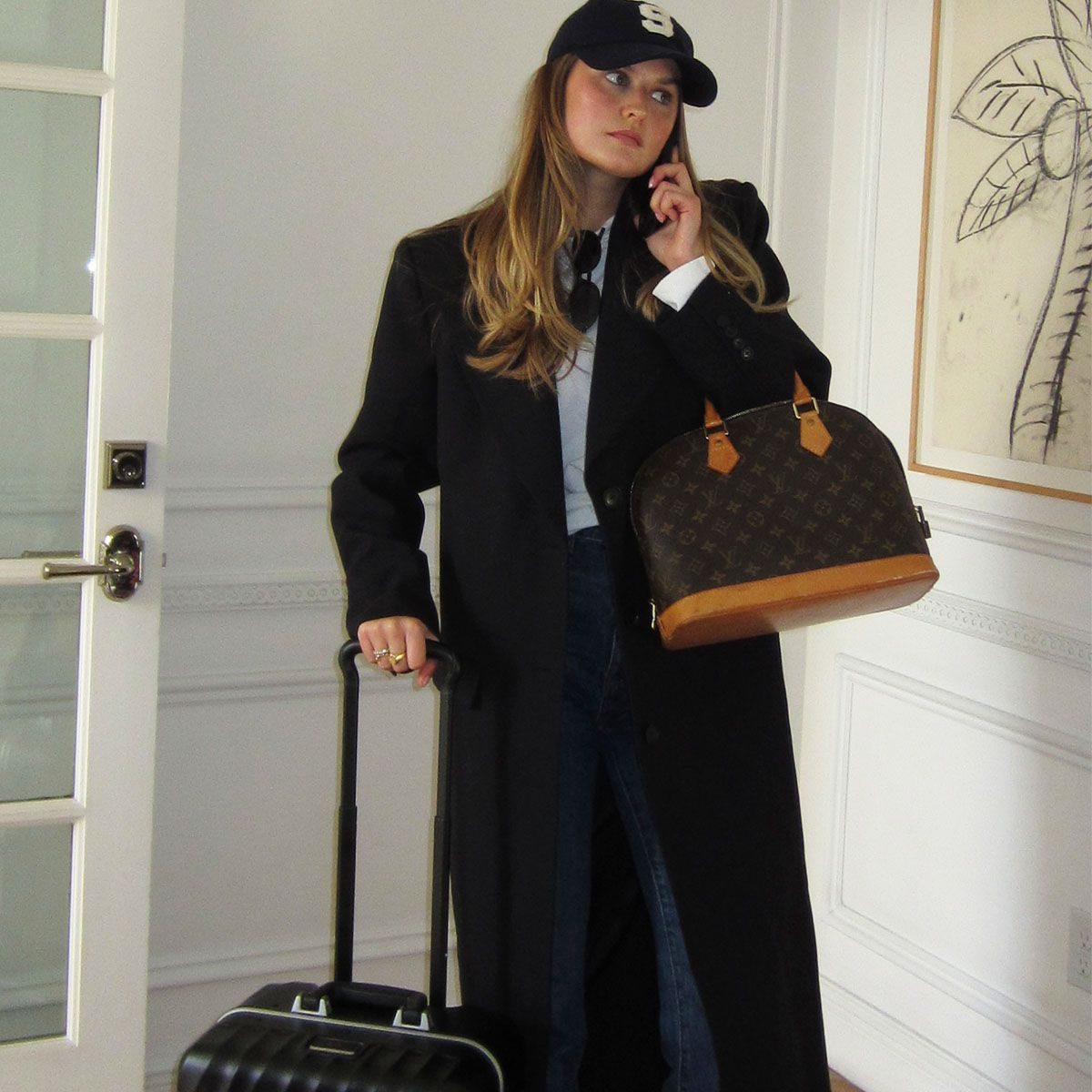
1990s denim
Boxy trucker jacket
The most common jacket at both markets. Nothing here is precious, so buy the size that fits over two layers rather than the size that flatters on its own in a changing room.
Search listings
Any maker
Steel-toe work boots
Heavy, ugly and unbeatable on wet pavement. Check that the sole is stitched rather than glued. A resoled pair lasts another five years, which is longer than most new boots last at all.
Search listings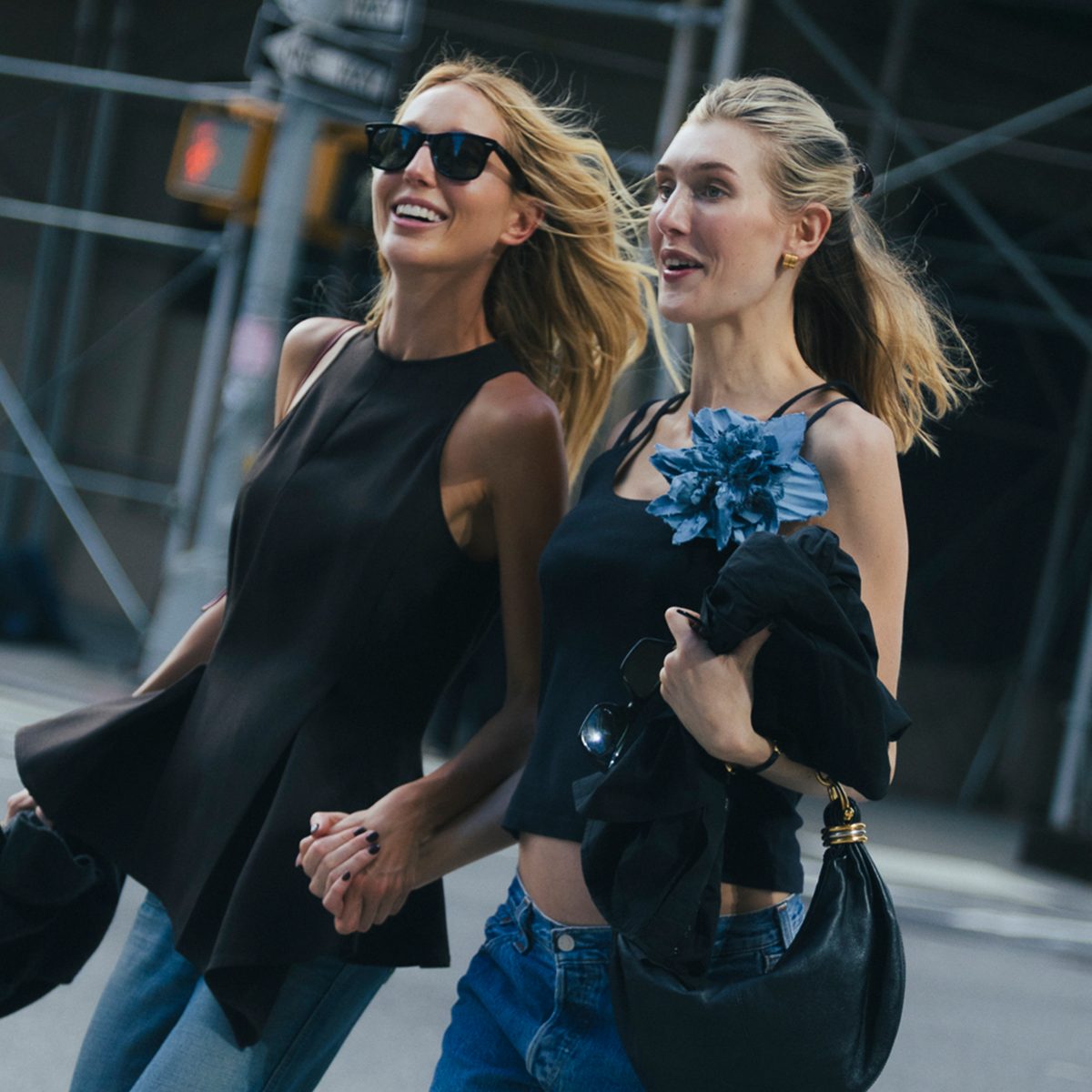
Unbranded
Heavyweight brushed flannel shirt
The middle layer that does the actual work. Brushed flannel is warmer than its weight suggests and takes a beating in a way that fine merino will not, at a fifth of the price.
Search listings
1990s
Flat-based canvas tote
Carries stock and lunch, folds flat at the end of the day, and reads as part of the outfit rather than an afterthought. Skip anything with a printed slogan: it dates the whole look instantly.
Search listingsWhy denim keeps winning
Denim jackets outnumbered every other outer layer at both markets, and the reason is structural rather than fashionable. Denim is the only common secondhand fabric that improves with hard wear, tolerates being thrown into a van and washed weekly, and still reads as a considered choice. A wool blazer looks better than denim for about twenty minutes at a market, then the elbows go shiny and it stops being worth the money.
What the outfit costs, by component (estimates)
| Piece | Typical used (est.) | Wears per week (example) | Cost per wear |
|---|---|---|---|
| Chore jacket | $58 | 5 | $0.45 |
| Flannel shirt | $18 | 4 | $0.17 |
| Denim jacket | $44 | 3 | $0.28 |
| Work boots | $55 | 5 | $0.21 |
| Canvas tote | $12 | 5 | $0.05 |
The buyers are dressing better than the sellers think
The second-best outfits at these markets were on the customers, and they were applying the same logic without the physical demands. A woman buying mid-century ceramics had on a cotton shirt, a thin crewneck and her grandfather's overcoat, all secondhand, and looked sharper than anything on the rails she was browsing. The lesson transfers directly: buy the layer that does a job, wear it until it looks like yours, and let the fact that it was bought secondhand stay invisible.