Rent if you want one outfit for one day and never want to think about it again. Buy if you also have a rehearsal dinner, a second-day outfit and shoes to cover, because the extra pieces are where buying and reselling wins on cost. Neither route is universally cheaper.
Rental pricing for occasion wear is usually a fraction of retail for a few days' rental. Wedding gowns tend to rent higher, because they're booked for longer, cleaned heavily and seldom reused. Check the rental house's own price list for the gown you want.
That looks decisive until you count what you keep. A rental leaves you with nothing to sell, and it arrives in the rental house's own length. A purchase leaves you with a dress you can resell, which changes the arithmetic whenever the resale price is worth more than the hire fee.
The break-even, worked out
Renting vs. buying secondhand and reselling (illustrative estimates)
| Piece | Rent for a few days | Buy new | Buy secondhand, then resell | Net cost of buying |
|---|---|---|---|---|
| Main gown | $350 to $900 | $1,800 | $700, resold at $400 | About $300, plus a clean |
| Veil | $80 to $150 | $250 | $60, resold at $35 | About $25 |
| Second-day outfit | $120 to $250 | $300 | $90, resold at $45 | About $45 |
| Shoes | $60 to $120 | $180 | $60, resold at $30 | About $30 |
| Groom's suit | $120 to $250 | $600 | $150, resold at $75 | About $75, plus alterations |
On those illustrative numbers, the secondhand buy-and-resell route lands close to a rental, and it leaves you holding the dress for as long as you want it. That margin disappears if the gown never sells, which is the risk renting removes: a hire fee is a known cost, and a resale price is a hope.
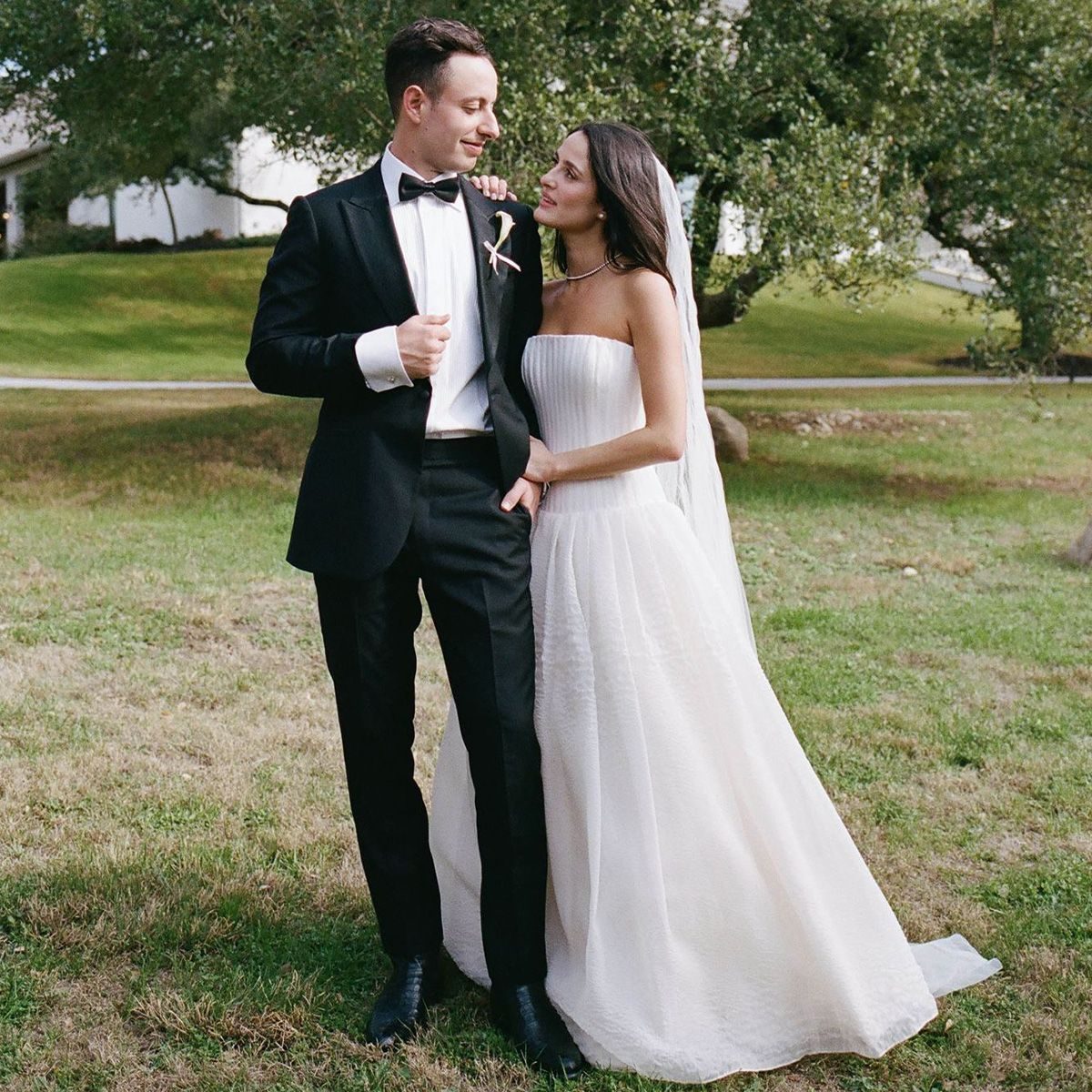
What rental includes, and what it does not
- Cleaning is included, damage cover is not — Standard rentals cover the clean. Many also sell optional damage protection, and without it a stain or a torn hem is charged at replacement value.
- Alterations are not allowed — Rental houses do not alter garments. You wear the size as cut, which is why most bridal rentals arrive in a single length.
- Late returns are priced per day — Fees are typically a percentage of the rental price for every day past the window, and the window is tighter than most people assume.
- Sizes vary by designer — A rental size 8 in one label is not a size 8 in another. Use the house measurement chart rather than your usual number.
- Lead times are long for bridal — Four to six months for a wedding gown, and four to eight weeks for occasion wear. Popular dates and sizes go first.

The fit problem nobody mentions
You cannot hem a rental. Most bridal rentals come in a single length cut for a tall model, so a shorter wearer either wears higher heels or picks a silhouette that tolerates the extra inches, such as a column with a train. This is the main practical reason people buy and resell instead.
Owned dresses can be shortened, taken in and let out. That flexibility is worth paying for if you fall outside the height or bust range the rental stock was cut for, and it costs nothing extra when the dress was bought secondhand at a third of retail. Fit is the reason: US clothing-size standards became voluntary in 1970 and were withdrawn in 1983, so every house sizes differently.
Where buying and reselling goes wrong
- 1
Buy to a deadline, not a season
Work backwards from the date. Three months to sell is typical, so list before the wedding if you can bear it, or straight afterwards.
- 2
Buy a size that resells
An unaltered gown with flat measurements in a common sample size sells in weeks. One taken in at the waist and bust sits for months.
- 3
Skip the trends that date fastest
Bardot necklines, giant sleeves and cropped corsets look dated within two seasons. A simple A-line holds value.
- 4
Keep everything that came with it
Garment bag, receipt, spare buttons and the original box. Each one answers a question a buyer would otherwise discount for.
- 5
List in the season you bought in
Wedding season runs spring to early fall. A listing posted in December competes for attention at the worst possible time.
Six pieces worth owning instead of hiring
Each of these is what you would otherwise rent, bought on a resale marketplace where it can be sold again afterwards. Prices are shown only where we confirmed them on the brand or retailer page in Oct 2026.
Best for a gownVestiaire Collective
Designer gowns bought to resell
Where a designer gown can often be bought well below retail and resold later at a similar level. Authentication is included, and it matters most at this price.
Browse gowns
The RealReal
Consigned bridal and evening wear
Authenticated, with a returns window that peer-to-peer listings do not offer. Useful when you want to try a silhouette before committing to a longer resale plan.
See evening wear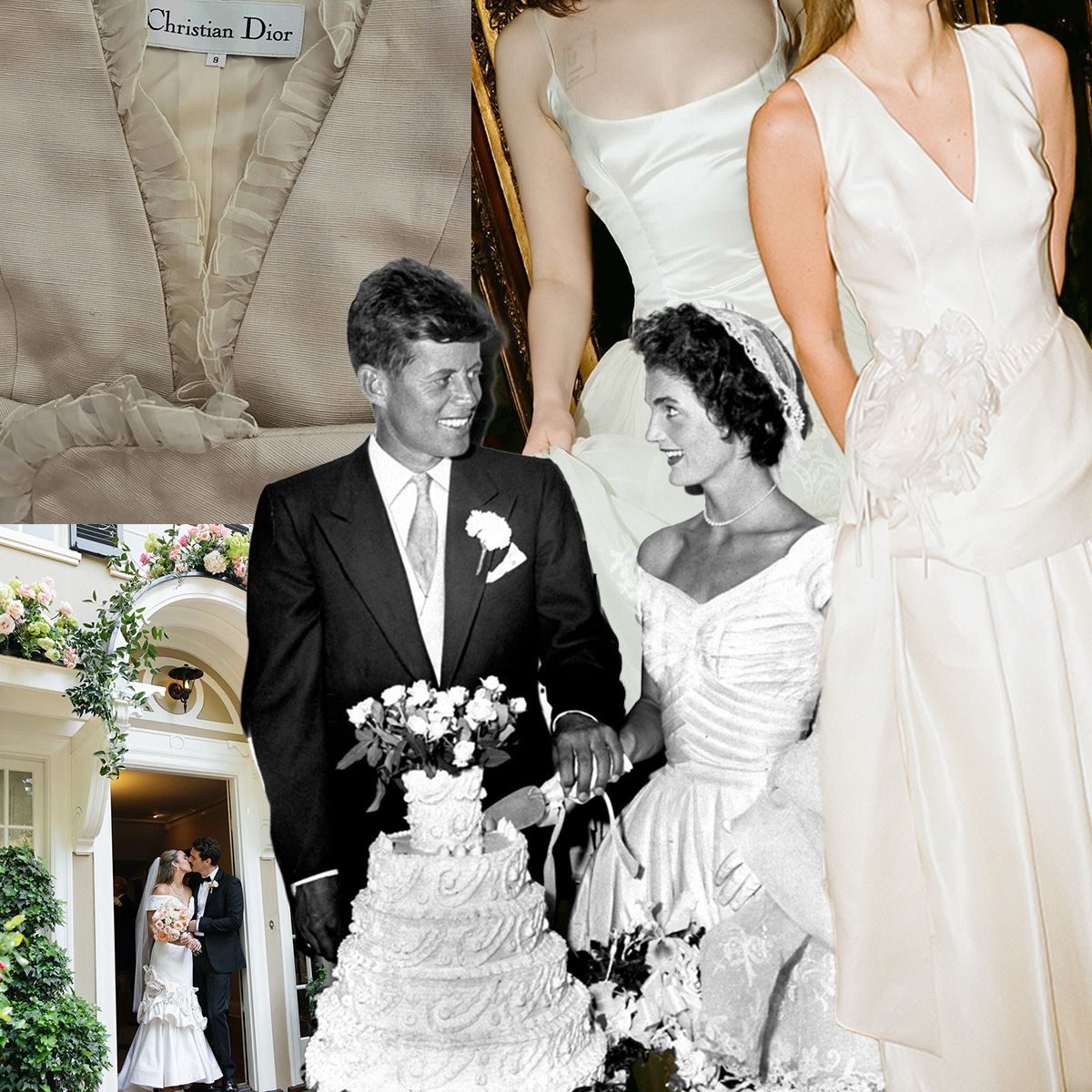 For the groom
Grailed
Wool suits for the groom
Good secondhand tailoring with shoulder and sleeve measurements often listed.
Search suits
Depop
Second-day and rehearsal outfits
Slip dresses, silk skirts and knit sets that resell quickly after a second event. Sizing is often given as a tag number, so ask for flat measurements first.
Search outfits
eBay
Veils, capes and vintage accessories
Check for age spots on tulle, because they do not lift.
Search veilsCheapest piecesPoshmark
Bridal shoes and bags
Shoes worn once for two hours are the best value in bridal resale. Ask for a photograph of the sole, which tells you more about the wear than any description.
Browse shoesWhich route fits you
Rent if the gown is the only thing you need, you fit standard lengths and you would rather not manage a listing. Buy and resell if you have more than one event to dress, you want alterations, or you would rather keep the dress a while and sell it later.
The two answers do converge. Both cost a few hundred dollars for a gown, and the difference is if you spend the week after the wedding posting photographs or dropping a box at a courier.