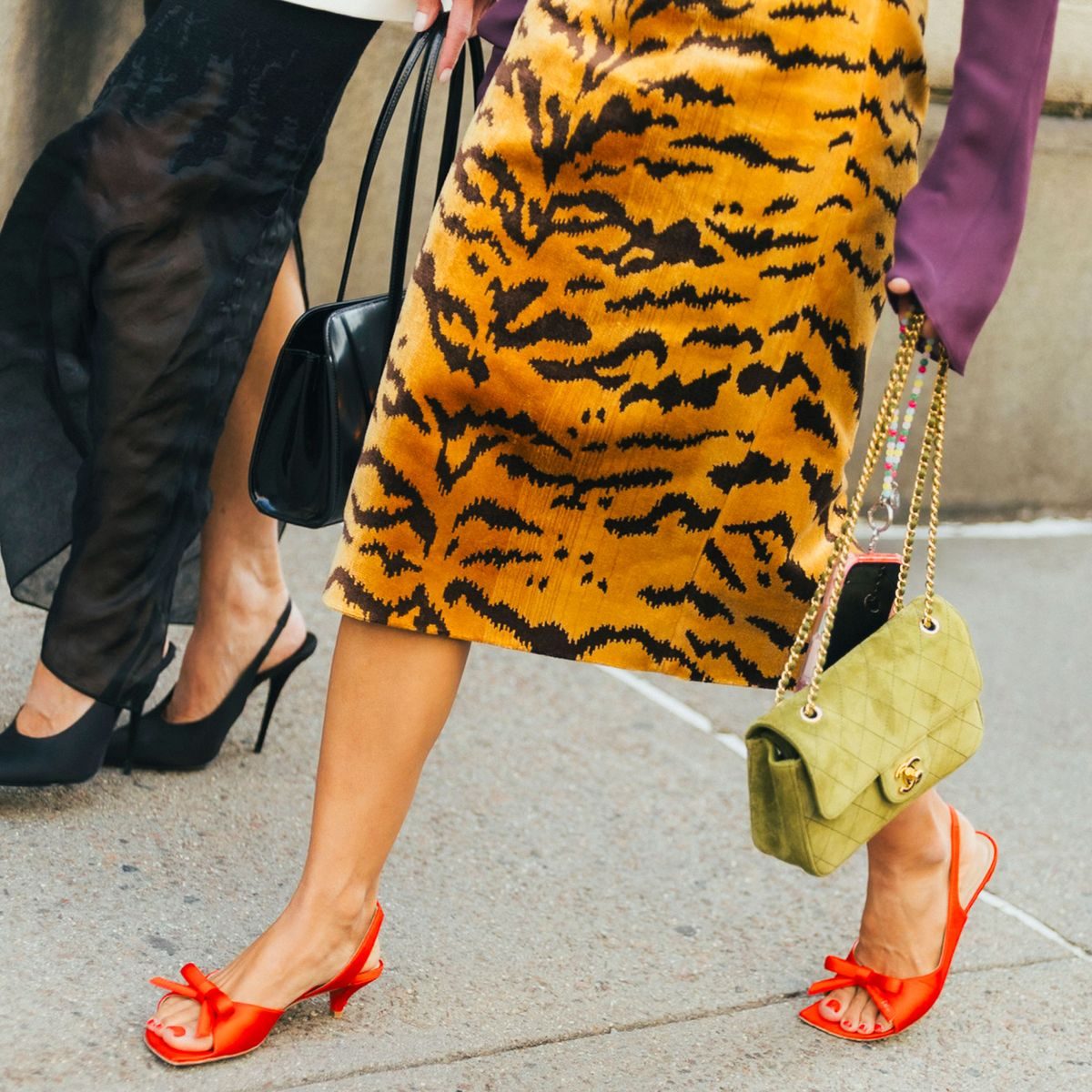
For three years the secondhand market rewarded one look above all others: unlabelled, undyed, unbranded, and priced as if the silence itself were the luxury. That trade has stalled. What is clearing fastest in resale right now is the opposite, pieces with decoration, with color, and with visible evidence that somebody already loved them.
Watch sold prices rather than asking prices, because asking prices on resale platforms are hope, not value. Buyers set value. Browse the sold filters on any big platform this fall and the pattern is easy to see: plain neutrals are plentiful, and decorated, colorful or documented pieces are scarce.
The three shifts worth acting on
None of this is about chasing a trend for its own sake. Each shift changes what a garment is worth when you sell it on, which is the number that decides whether a secondhand purchase was cheap or expensive.
- Decoration beats minimalism — Beaded, embroidered, studded and appliquéd pieces tend to hold their value far better than plain neutral knitwear, because nobody else is listing the same one.
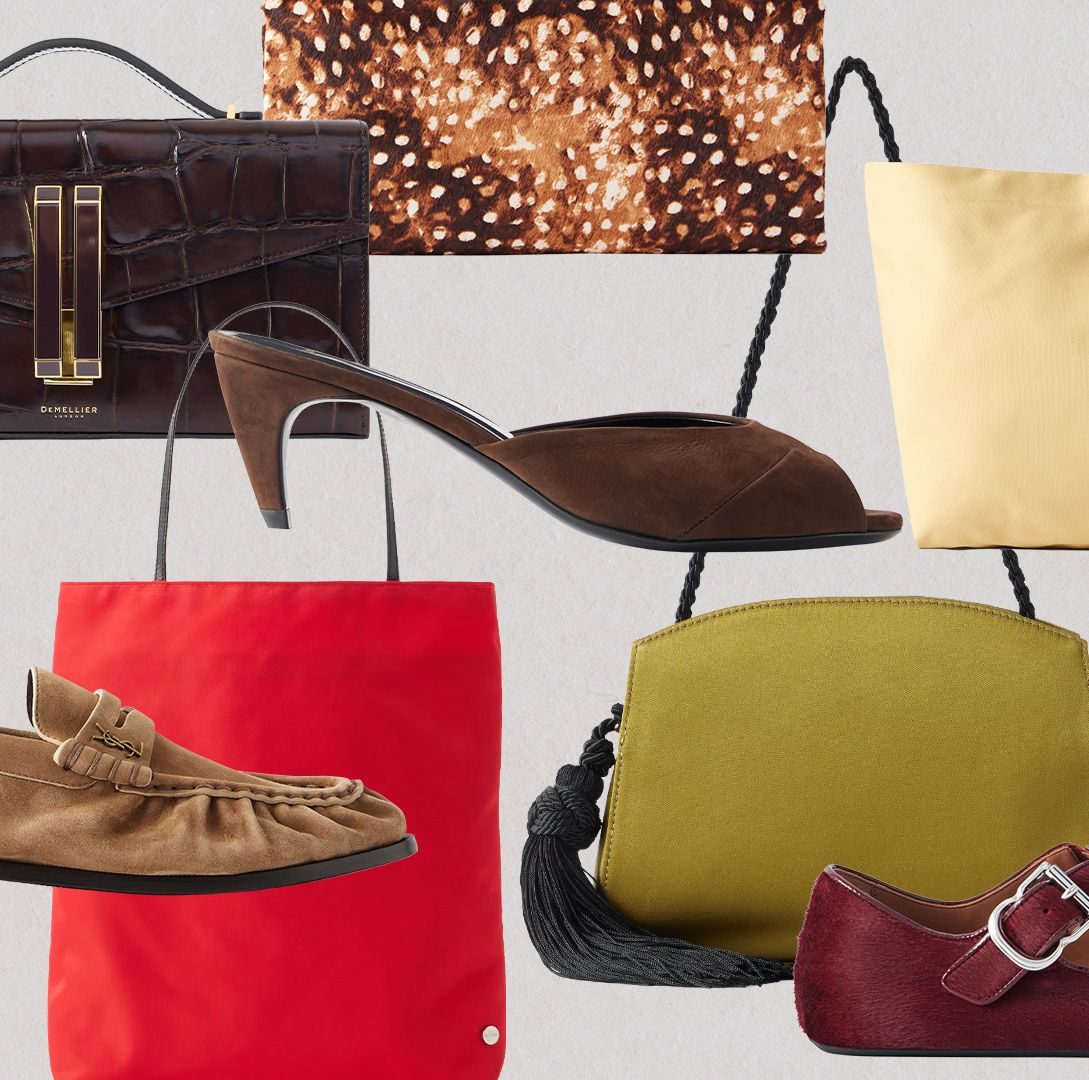
- Color beats greige — Saturated reds, chocolate browns and deep greens tend to sell faster than oatmeal and pale gray, which sit in deep piles.
- Provenance beats newness — A listing with a date, a maker or a repair history gives buyers a reason to pay more than for the same item listed without one.
Why the plain stuff stopped working
The beige cashmere crewneck was never a bad garment. It was a bad trade. When everyone agrees that a category is the safe buy, the resale price collapses to the floor price, because any buyer who wants one has four hundred identical listings to choose from. The look became a commodity, and commodities have no margin.
Decoration has the opposite property. A beaded jacket from 1988 cannot be duplicated by a fast-fashion factory in six weeks, so the supply of it is permanently fixed. Fixed supply plus rising demand is the only reliable price formula in secondhand.
You are not buying a garment when you buy vintage. You are buying the supply constraint.
What to buy, and at what price
The picks below are categories worth hunting this month. Every range is my fair-value estimate, not a seller's asking price. If you see these pieces listed well above the range, wait; supply is steady and patience pays.
Six categories worth hunting
Everything here is a one-off, so treat the range as the ceiling rather than the target. Prices are shown only where we confirmed them on the brand or retailer page in Oct 2026.
 Best hold value
1990s deadstock
Beaded wool cardigan
Heavier beading reads as expensive; plastic beads on thin jersey read as costume. Check the shoulder seam for stretch before you commit.
Search listings Fastest turnover
Embellished denim
Studded or rhinestone jeans
The single quickest-selling denim category of the last two quarters. Look for metal rather than glued-on stones: glue fails in the wash and takes the resale value with it.
Search listings
Chocolate brown
Suede knee-high boots
Brown suede tends to sell quickly on resale. Avoid anything with salt staining around the ankle; it rarely comes out, and the repair can cost more than the boots.
Search listings
Any maker
Embroidered wool blazer
Often the best value of the lot. Squeeze the lapel: if you can feel a loose floating layer of hair canvas, the jacket is properly made and worth altering.
Search listingsHow to check a piece before you pay
- 1
Turn it inside out first
Lining condition tells you more than the outside ever will. Frayed underarms or a split lining means the garment has been worn hard, whatever the exterior suggests.
- 2
Test every fastening
Zip it up and down twice, then close every button. A zipper replacement at a tailor can easily cost more than the saving on a cheap jacket.
- 3
Check the care label, then ignore it
The label tells you what the fiber is. It does not tell you how the garment has been treated. Faded seams and a shrunken hem are the real record.
- 4
Photograph the flaws before you leave
If you plan to resell, a documented flaw gets a higher price than a surprise one. Buyers forgive damage they were told about.
What is coming next
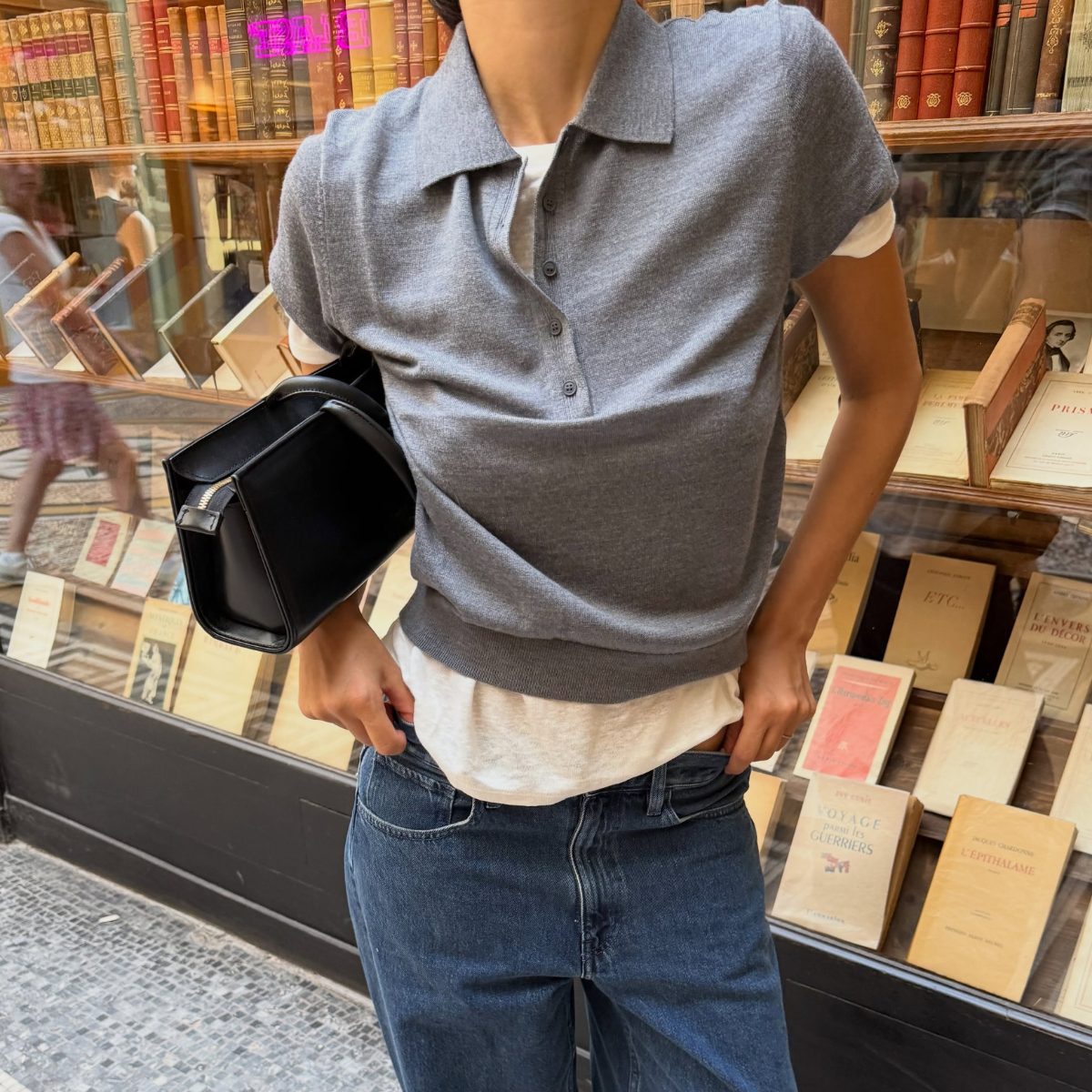
Two categories are moving quietly in the opposite direction and are therefore cheap right now: unstructured linen blazers and pale gray tailoring. Both are being dumped by sellers who read the same trend reports everybody else reads. That is exactly the condition under which a good garment becomes a good buy.
What each category tends to do at resale (estimates)
| Category | Typical used (est.) | Typical resale (est.) | Speed to sell (est., days) |
|---|---|---|---|
| Embellished denim | $38 | $35 | 6 |
| Beaded knitwear | $52 | $48 | 11 |
| Brown suede boots | $72 | $66 | 6 |
| Plain neutral knitwear | $46 | $25 | 31 |
| Pale gray tailoring | $58 | $34 | 27 |