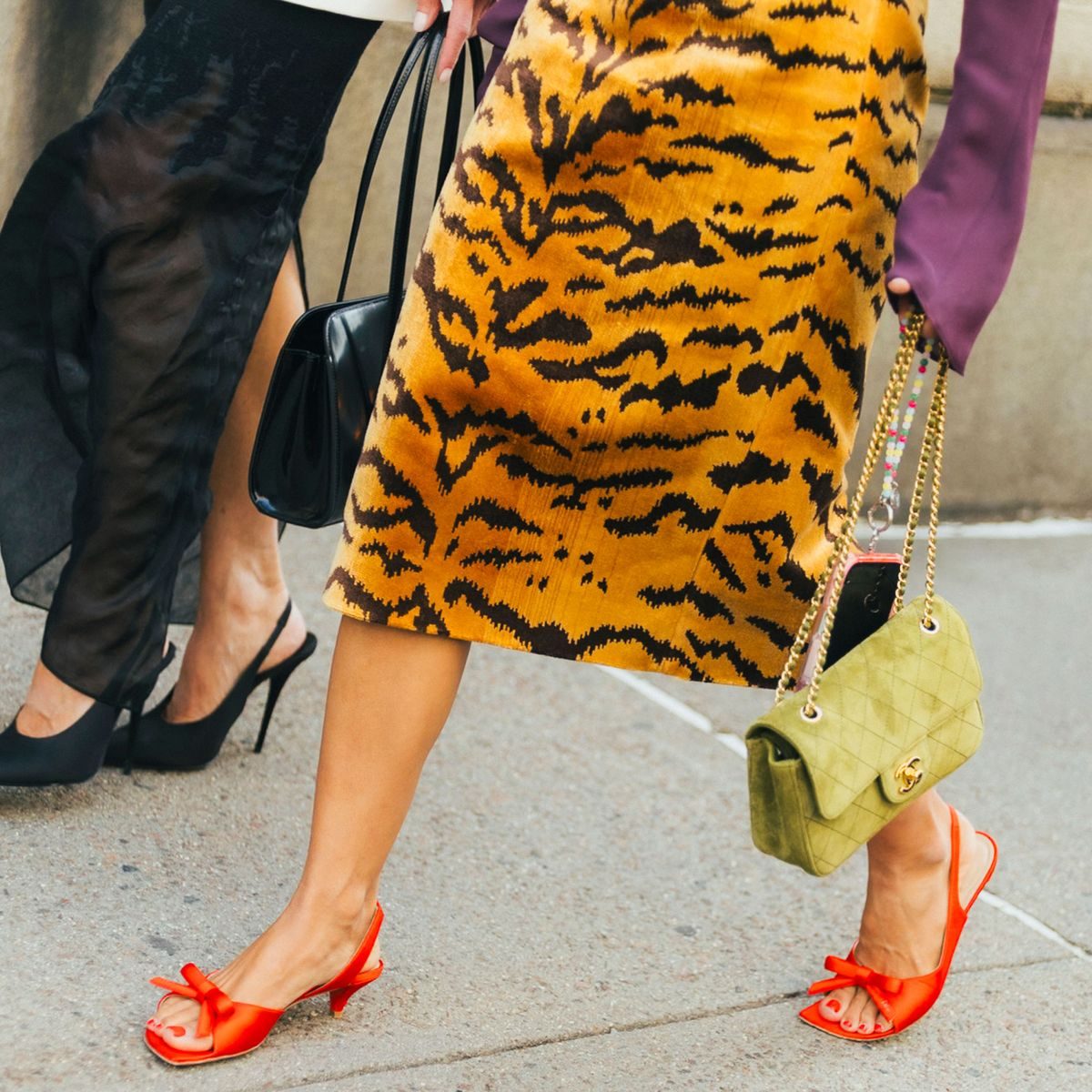
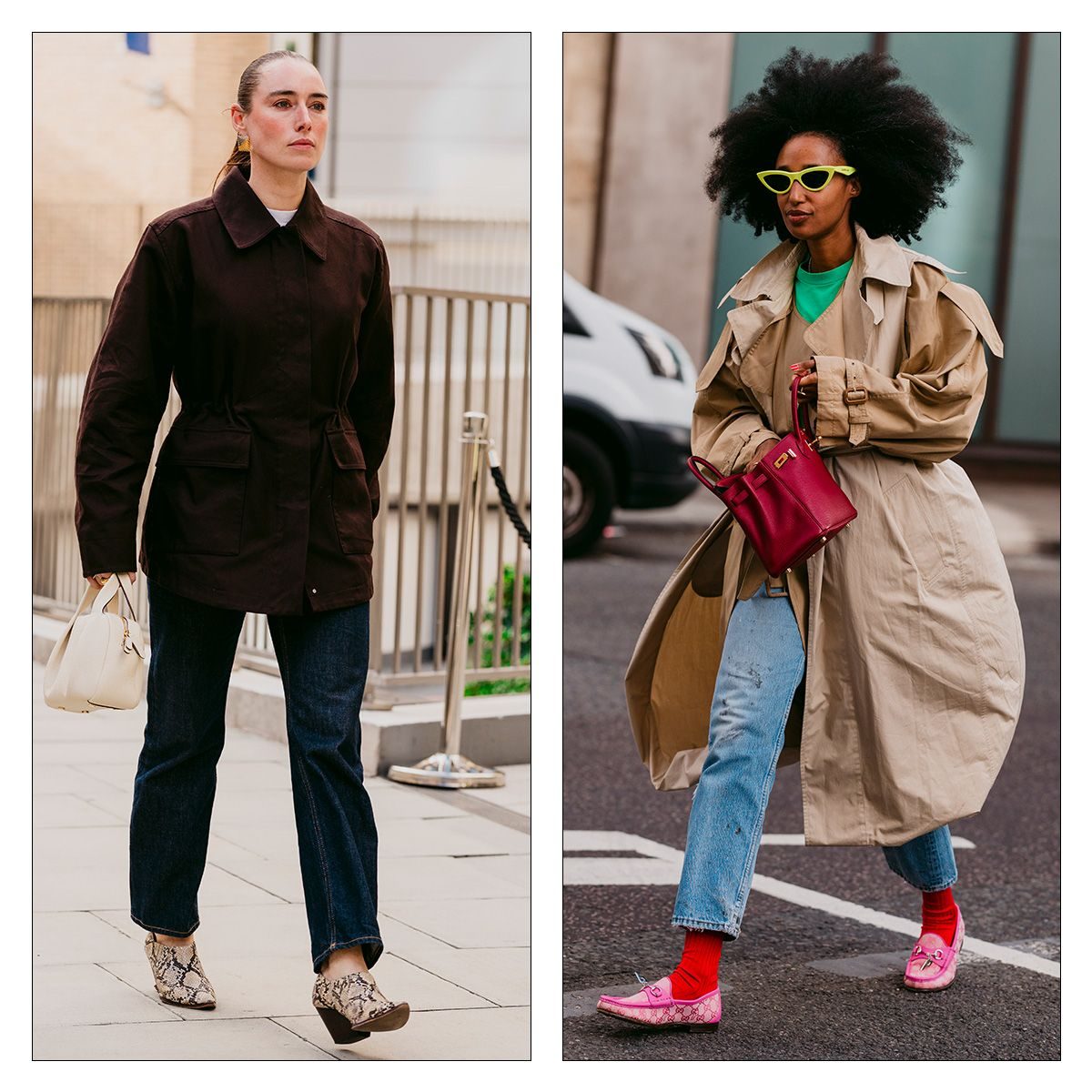
The most copied off-duty look of the past three decades is three pieces: a bias-cut slip dress, a cropped leather biker and a flat sandal, in neutral tones, nothing else added. Bought secondhand, my estimate is that the whole thing typically lands somewhere around $100 to $205. For scale, Schott's classic 618 Perfecto alone lists at $1,020 and up new (schottnyc.com, Oct 2026). Used is the cheapest way I know to look deliberate.
The look works because each part does exactly one job. The slip dress supplies the drape and the line. The biker adds a hard shoulder over something soft. The flat sandal stops the whole thing tipping into costume. Remove any one of the three and you still have a nice outfit, but you no longer have the thing that has been photographed on models, actors and stylists for thirty years.
Why this combination has survived thirty years
It lasts because it isn't really a trend. Nothing in it is seasonal, nothing carries a logo, and none of it depends on one body shape. The 1990s version was photographed on models heading home from work, which is why it still looks unforced rather than styled. Expect it to keep coming back.
The narrow palette is the second reason it holds. Cream, black and tobacco form a closed system: everything you own in those colors works with everything else. That is a wardrobe property rather than an outfit property.

What the three pieces actually cost secondhand
The figures below are my estimates of typical secondhand prices for wearable stock as of Oct 2026, not quotes and not purchases: garments with no structural damage and a few seasons of wear left. Anything well above a range is usually a seller pricing the trend, not the garment.
Typical secondhand prices (estimates, Oct 2026)
| Piece | Typical used (est.) | New equivalent (est.) | What to check first |
|---|---|---|---|
| Bias-cut slip dress | $25–55 | $180–320 | Silk or heavy viscose. Reject static cling and a visible zip. |
| Cropped leather biker | $60–110 | $450–1,200+ (Schott 618 from $1,020 new) | Real leather, one size down. Inspect the elbows before the shoulders. |
| Flat sandal or ballet flat | $15–40 | $120–260 | Leather upper, replaceable sole. Skip glued-on sole units. |
| Total | $100–205 | $750 and up | Aim for the middle of the range. |
Building it piece by piece
Start with the dress, because it sets the proportions for everything else. A true bias cut in a mid-weight fabric skims rather than clings, and it should finish somewhere between the knee and mid-calf. A dress that stops above the knee reads as sleepwear.
The jacket comes second and should run smaller than your everyday size. Resale sites are full of oversized leather blazers listed as bikers, and a big leather jacket over a slip dress looks like an accident. Aim for a hem at the top of the hip, sleeves ending at the wrist bone, and a collar that stands on its own.
- Dress fabric
- Silk crepe, sandwashed silk or a heavy rayon (viscose), not polyester satin. Check the fiber label
- Dress length
- Knee to mid-calf, cut on the bias, no visible zip
- Jacket fit
- One size down; hem at hip top; sleeves at the wrist bone
- Jacket hardware
- Metal zip that still works; avoid painted or plastic pulls
- Shoe
- Leather upper, stacked or replaceable sole, flat
- Total budget
- Roughly $100–205 (estimate). Walk away well above that
At a glance

Where the look goes wrong
Shop the remake
These are search categories worth saving to rebuild this uniform. The prices are typical secondhand ranges, my estimates rather than quotes; treat the middle of each range as the target and the top as a ceiling.
Sourcing the three pieces
Check the sold listings before you make an offer. Prices are shown only where we confirmed them on the brand or retailer page in Oct 2026.
Start hereVintage silk
Bias-cut midi slip dress
A true bias seam runs diagonally across the skirt panel. If the seam runs straight down the front, the dress will hang flat. And read the fiber label: US rules require the generic fiber name and percentage by weight for anything at 5 percent or more, so "100% silk" means something.
Search listings
1980s–90s leather
Cropped biker jacket
Weigh it in your hands. A very light jacket often means thin hide that cracks at the elbow. Check the zip runs smoothly before anything else.
Search listings
Any maker
Leather flat sandal
Press the sole with a thumb. If it flexes into the midfoot and springs back, the shoe still has life in it.
Search listings
Preloved minimal
Fine-gauge knit slip layer
A fine-gauge knit worn under the slip stretches the outfit into fall without changing the silhouette.
Search listings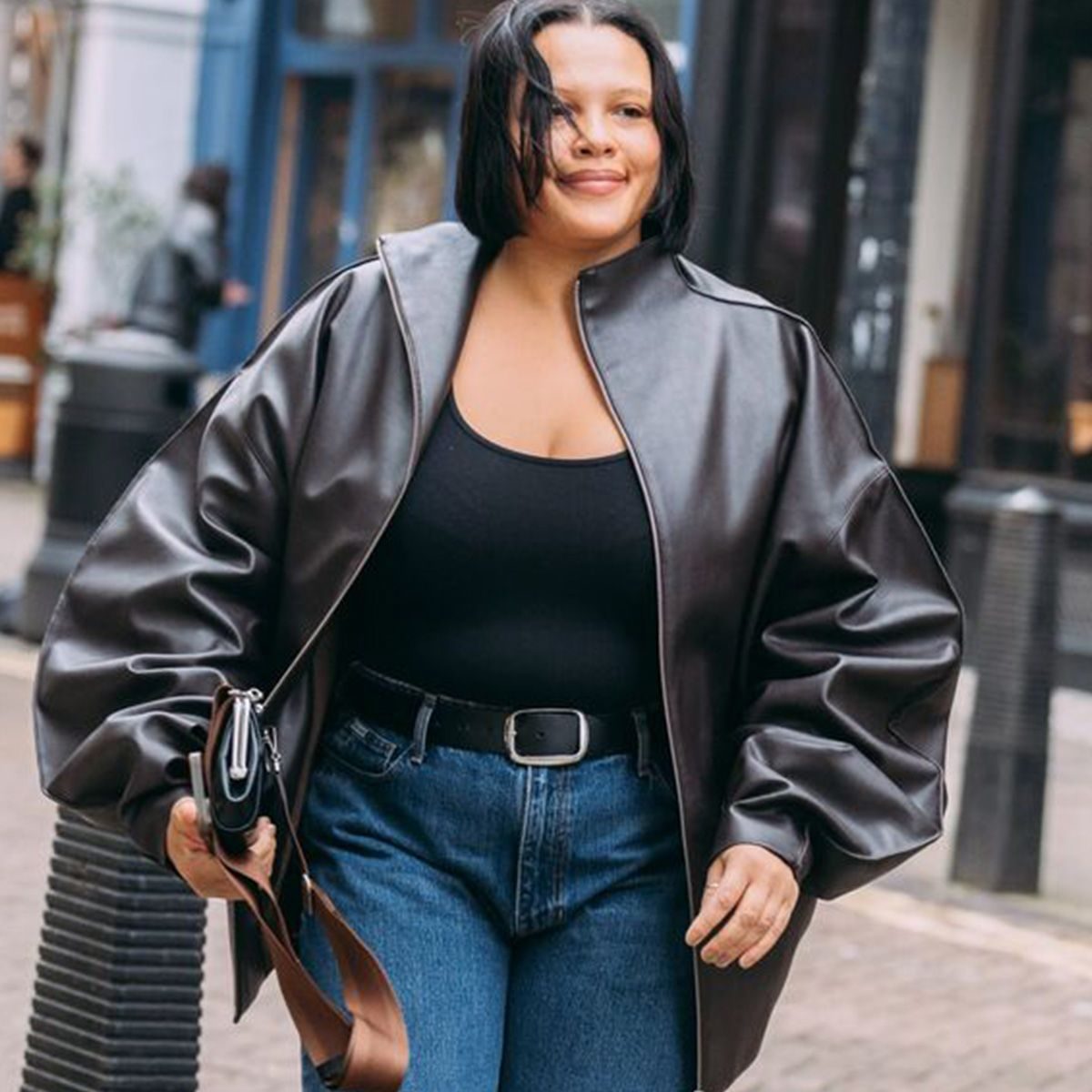
Tobacco leather
Plain leather shoulder bag
One bag in the palette finishes the look. Plain hardware and no visible branding keep the secondhand price down.
Search listingsSizing, alterations and the fit that reads expensive
This uniform is decided almost entirely by fit, and fit is the cheapest thing here to fix. Two alterations do most of the work: taking in the dress at the side seams, and shortening the jacket sleeves to the wrist bone.
- 1
Measure yourself, not the tag
Measure bust, waist and hip at the fullest point, and compare against the listing's flat measurements. Vintage sizing often runs smaller than the number on the label, so never trust the size alone.
- 2
Buy the jacket one size down
A biker should feel slightly snug across the shoulder at first. Leather tends to relax a little with wear, especially at the elbow.
- 3
Budget $50 for the tailor
Side seams on the dress and the jacket sleeves are the two alterations that matter. Get a quote from a local tailor before you buy.
- 4
Photograph the finished look
One clear photo in daylight tells you which piece is fighting the others. Usually it's the shoe.