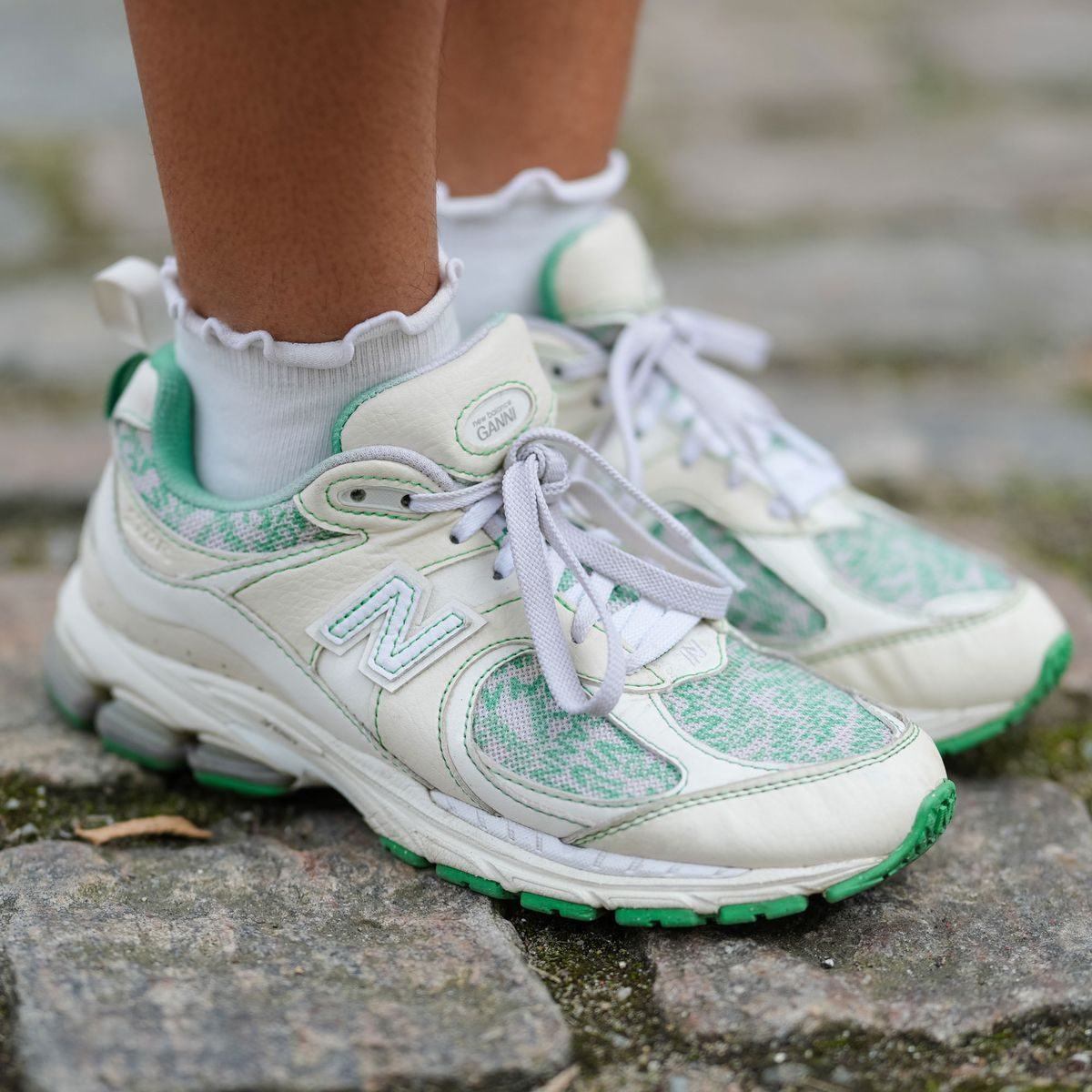
Buyer protection is a deadline rather than a guarantee. Every major platform gives you a window to say an item is not as described, and almost none gives you a right to change your mind. Read the deadline before you buy, because it is the only part of the purchase that genuinely differs between the sites.
Who pays the fee, and what it buys
Two models dominate. Vinted charges the buyer a protection fee at checkout. Others, including eBay and Poshmark, take their cut from the seller, and some split it; fee structures change, so check each fee page (Oct 2026), which is why the same seller lists one jacket at three different prices.
The fee is not the interesting part. The window is. A protection fee buys a defined period in which a problem is the platform's problem rather than a private argument, and that period varies a lot by platform. The difference decides whether a platform suits a $400 coat or only a $12 shirt.
What a protection fee actually buys
| Platform | Fee paid by the buyer | Window to raise a problem | Change of mind returns |
|---|---|---|---|
| eBay | Check fee page | See Money Back Guarantee page | No, though some sellers accept them |
| Vinted | Buyer protection fee | Short; check help page | Only if the seller agrees |
| Depop | Check fee page | Check help page | Only if the seller agrees |
| Mercari | Check fee page | Short; check help page | No |
| Poshmark | Nothing beyond shipping | 3 days from delivery to open a case | No. Resell it instead |
| ThredUp | Check help page | Check returns page | Yes, per its returns policy |
What each window means in practice
A three-day window is a logistics deadline. Poshmark, for example, releases payment to the seller automatically if no return case is opened within 3 days of delivery, per its Posh Protect page. If you travel for work, or the parcel lands on a Friday before a busy week, that is a real risk rather than a technicality.
A longer window is long enough to get a garment to a tailor for an opinion, or to find a fault that only appears when you wear it. ThredUp stands out because it sells its own stock and accepts change-of-mind returns under its own policy; check the current terms. Poshmark, for instance, releases payment automatically if no case is opened within 3 days of delivery, per its Posh Protect page.
Where each platform is strong
eBay has the deepest stock of specific vintage labels, an auction format for rare pieces, and a guarantee behind every purchase. It is the right place to hunt a 1970s jacket in a stated measurement and the wrong place to browse for inspiration.
Vinted is where volume lives: cheap stock, a buyer-paid fee and a short window, which suits low prices and low risk. Poshmark and Mercari are stronger for mid-priced brands, Depop for 1990s and Y2K pieces. ThredUp is the only one that behaves like a shop rather than a marketplace, with returns and graded condition, in exchange for lower prices on mainstream labels.
The landed cost is not the list price
Add four figures before comparing two listings: shipping, the protection fee, tax, and what returning it would cost. A $90 coat on one site and an $80 coat on another can be the same total, and a $60 listing with $18 shipping and a 5 percent fee is about an $81 purchase. Compare the delivered figure, not the number on the card.
Then price the risk. On a $400 purchase, paying a little extra for a longer window and a documented claim process is worth it, because it insures the part of the garment you cannot verify from photographs. On a $15 T-shirt no fee buys anything, and the cheapest delivered price is the only sensible metric.
Six pages worth reading once
Every figure in this column comes from these pages, and all of them change without notice. Read the one for the platform you are about to spend money on. Prices are shown only where we confirmed them on the brand or retailer page in Oct 2026.
Read this oneVinted
Official pricelist and buyer protection fee
The clearest fee page of the group, and the only model where the seller keeps the whole price. Check it before assuming a Vinted listing is cheaper, because the fee lands at checkout.
Read the pricelist
Poshmark
Seller fee support article
Explains why identical items are listed higher here than on Vinted: the seller commission sets a higher floor under the price, and the Posh Protect page sets the three-day window.
Open Poshmark
Mercari
Fees and Buyer Protection article
Mercari has changed its fee structure more than once. The page is the only reliable source, because resale blogs still quote older structures.
Read the fee page
eBay
Seller fees and category rates
Useful even as a buyer, because it shows what a seller nets and therefore how much room an offer has. Rates rise in most categories in one annual adjustment.
Read the fee page
ThredUp
Returns policy and restocking fee
The most conventional retail policy of any secondhand site, and the reason ThredUp suits a wardrobe staple you would rather not gamble on. Discounts are not reimbursed.
Open ThredUpVestiaire Collective
Authentication and returns terms
One of the few routes where a luxury purchase is inspected by a third party before it reaches you, which is why the fee is higher. Return terms differ by country.
Read the termsA short decision rule
Under $50, buy wherever the delivered price is lowest and accept that a fit mistake is yours. Between $50 and $250, prefer a platform with at least a three-day window and a documented claim route, and ask for measurements first. Above $250, use the longest window and, where it exists, physical authentication, since a small percentage of a large number buys a second opinion.