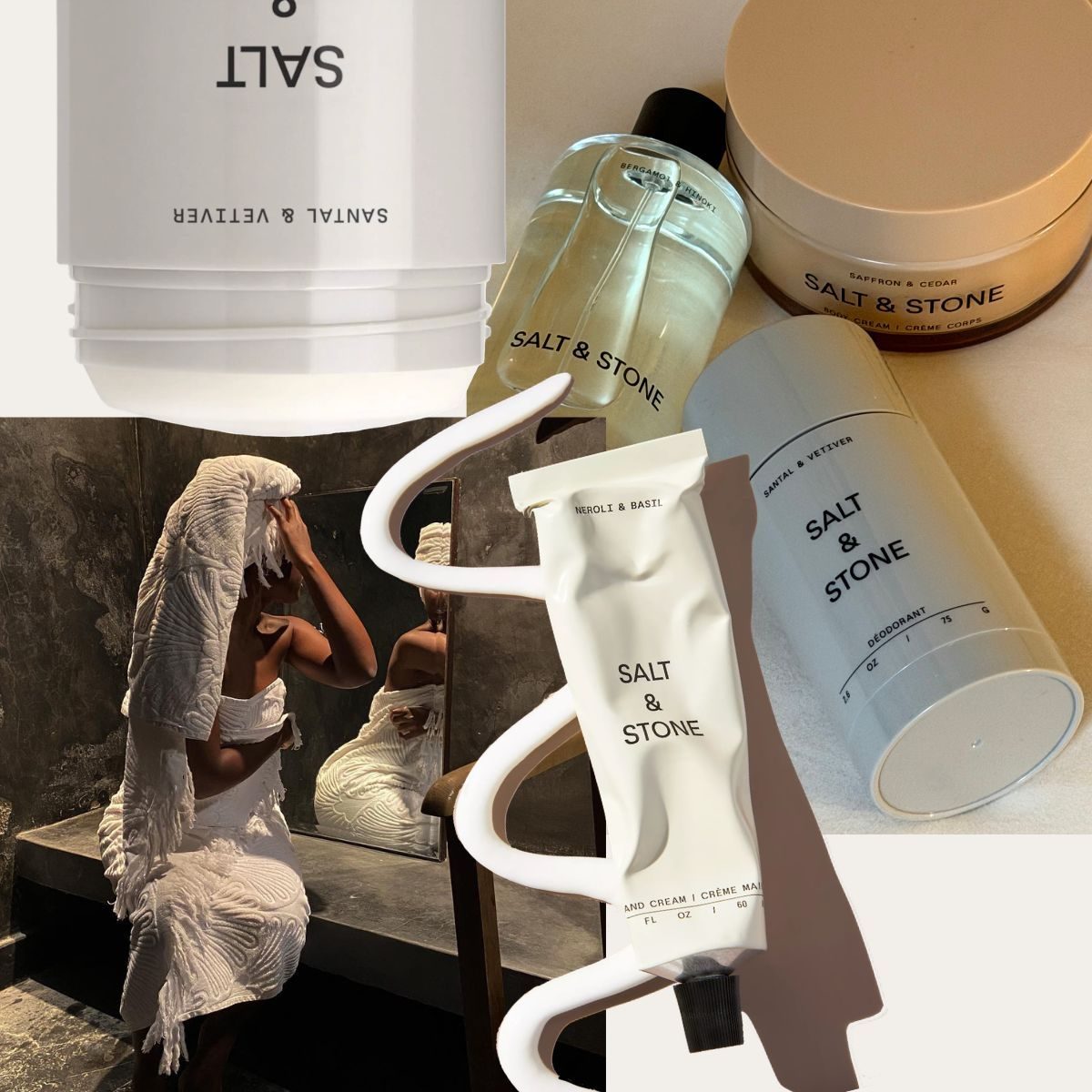
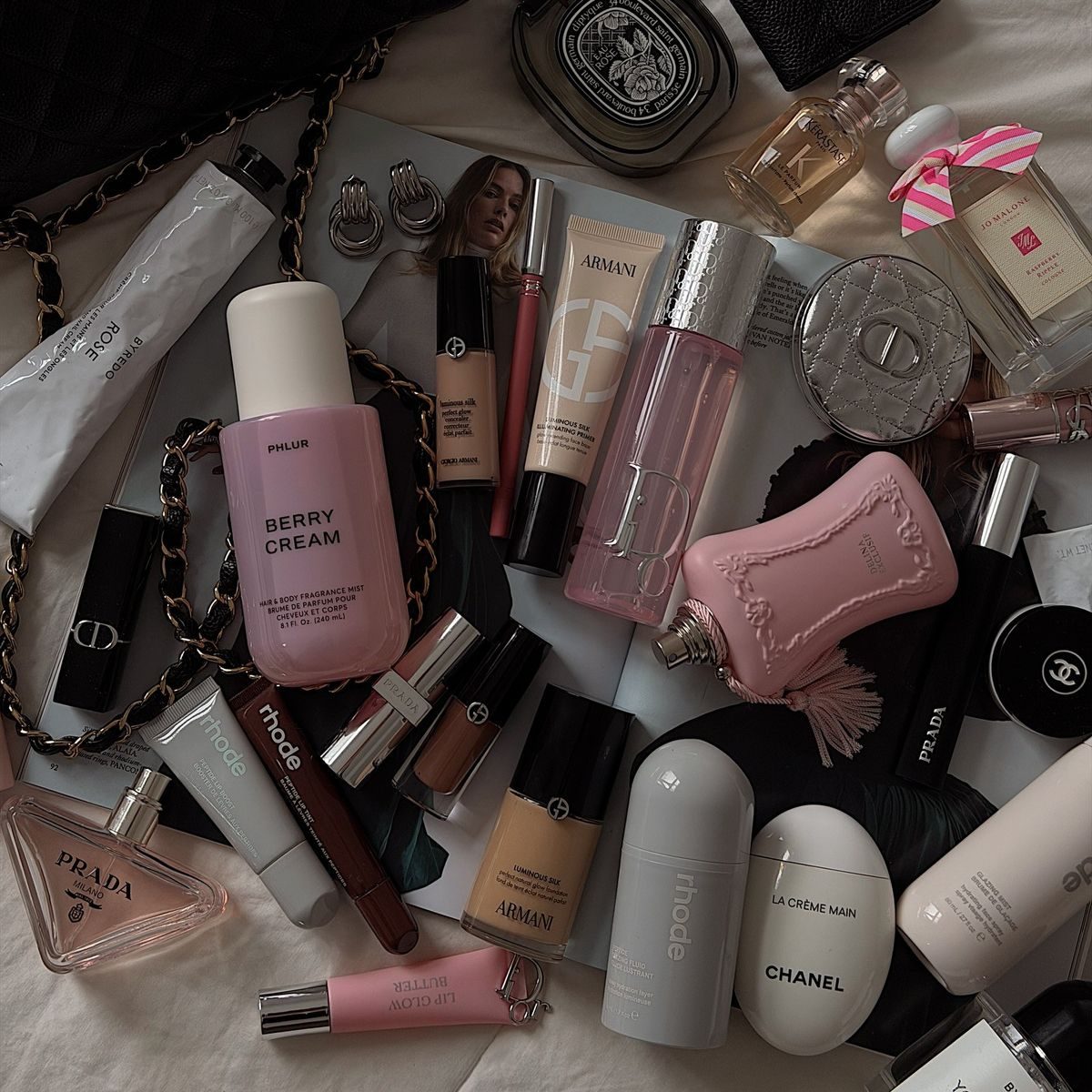
Picture three mouths: a full 1950s rose, a matte 1990s mocha and the tiny drawn bow of the 1930s. You can make all of them with one pencil, one cream lipstick and the balm already rattling around your bag. A vintage lip is a shape first and a shade second. At most, you might buy a pencil.
The same three products keep working because each era changed the outline more than the color. A 1950s lip is full and rounded. A 1990s lip is straight-edged and close to your natural width. A 1930s bow is small and sharply drawn. Change the outline and the decade changes with it, even in the modern nude you bought last month.
Texture counts as much as color. Matte and satin read as period. High shine reads as now, which is why a glossy 1990s look tends to land as costume. If your matte feels too dry, blot it and put the balm underneath, not on top.
The looks, and what each needs
Shape, texture and what you need for each decade
| Look | Shape | Texture | What it needs |
|---|---|---|---|
| 1950s rose | Full and rounded, slightly over the natural line | Matte cream | Nude-brown pencil, rose or pink lipstick, a tissue |
| 1990s brown | Straight edges at natural width | Matte or satin | Brown pencil, brick or mocha lipstick, balm underneath |
| 1930s bow | Small, sharply defined, cupid bowed | Satin or gloss | Deep red pencil, true red lipstick, fingertip to soften |
| 1960s pale | Edges concealed, color held to the center | Pale cream | Concealer, pale pink lipstick, clear gloss |
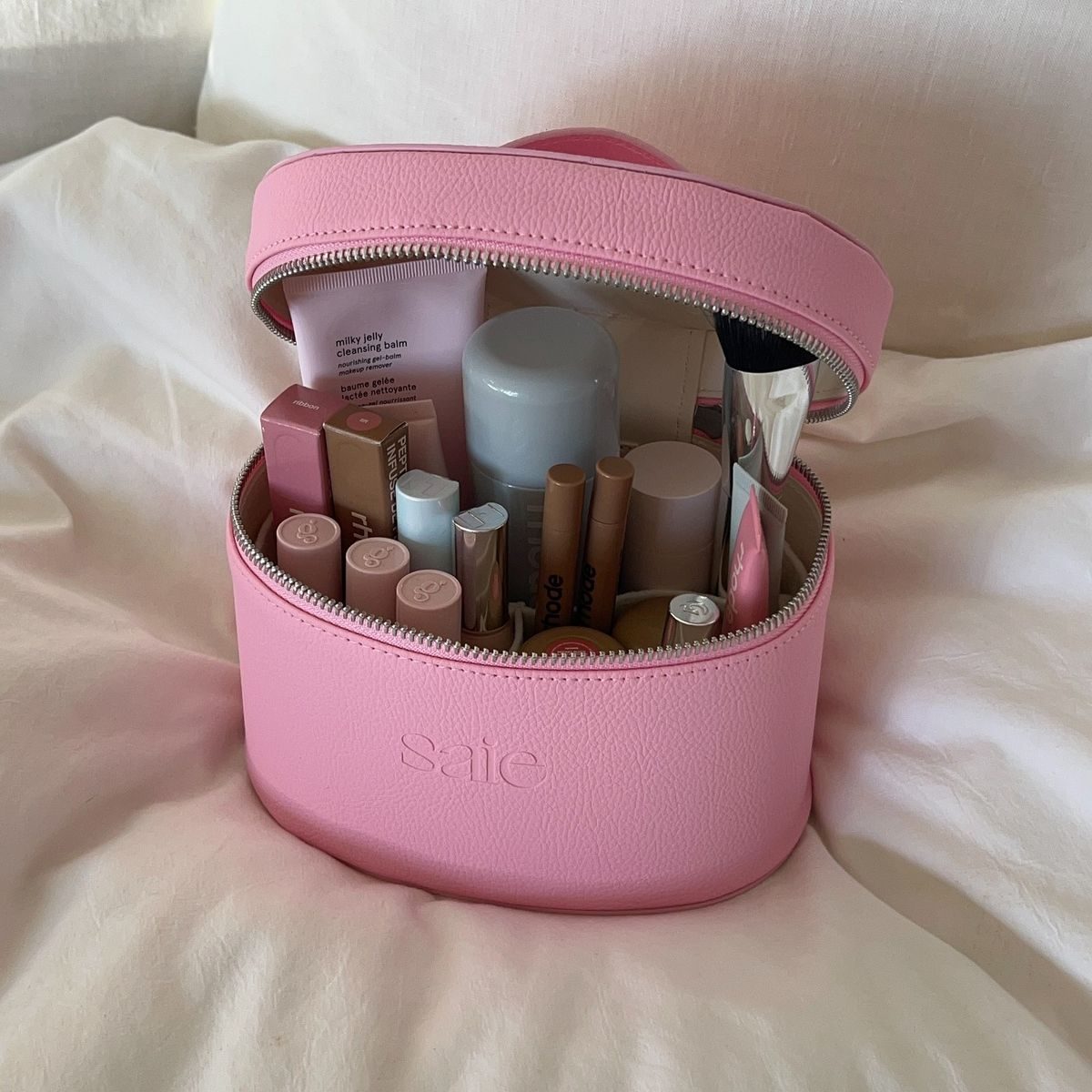
Two looks use a pencil, one uses concealer and one uses nothing but what's in the tube. If all you own is a creamy bullet and a balm, start with the 1990s brown. It's the most forgiving and the least dependent on a steady hand.
The pencil does the work
- Draw inside the lip, not outside it — One millimeter past your natural edge is a shape. Three millimeters is a different mouth, and no vintage photo ever showed lips that read as filler.
- Pencil first, lipstick second — Pencil over lipstick drags color out of the shape. Pencil underneath gives the lipstick something to grip and holds the edge for hours.
- Use one pencil for the whole outline — Line with a nude-brown pencil, fill with a pink lipstick, and there's your 1950s rose, no rose pencil required. The pencil sets the shape; the lipstick sets the decade.
- Set the center with a tissue — Blot once, dust powder through the tissue, then add the bullet to the center only. It's the quickest way to make a cream lipstick behave like period matte.
Building the 1990s brown in five steps
- 1
Balm first
Smooth on a thin layer, then blot nearly all of it away. Matte lipstick slides on damp balm but won't crack over blotted balm.
- 2
Pencil the outline straight
Trace your natural edge with barely any curve at the cupid's bow. The 1990s mouth is a soft-cornered rectangle, and that flat bow is what dates it.
- 3
Fill with the pencil
Color the whole lip in pencil before the bullet goes on. This is the step that gives a brown lipstick staying power, and it's the one most people skip.
- 4
Press the bullet on top
Apply with a tap rather than a swipe. Tapping keeps the pencil layer intact underneath; swiping moves it.
- 5
Blot once, then stop
One blot with a tissue, no powder. Blot twice and a mocha goes muddy mauve, the most common way a 1990s lip goes wrong.
The six products worth owning
These fill gaps; they aren't a whole routine. A pencil, a bullet and a balm cover every look here. The rest are upgrades to buy one at a time, when something runs out.
What to buy, if anything
Ranked by how much each changes the looks above. Prices are shown only where we confirmed them on the brand or retailer page in Oct 2026.
Best buyNYX Professional Makeup
Slim Lip Pencil
The cheapest way to change a shape, and the browns are genuinely brown rather than mauve. Needs sharpening every few uses, which is the trade-off at this price.
Shop the pencil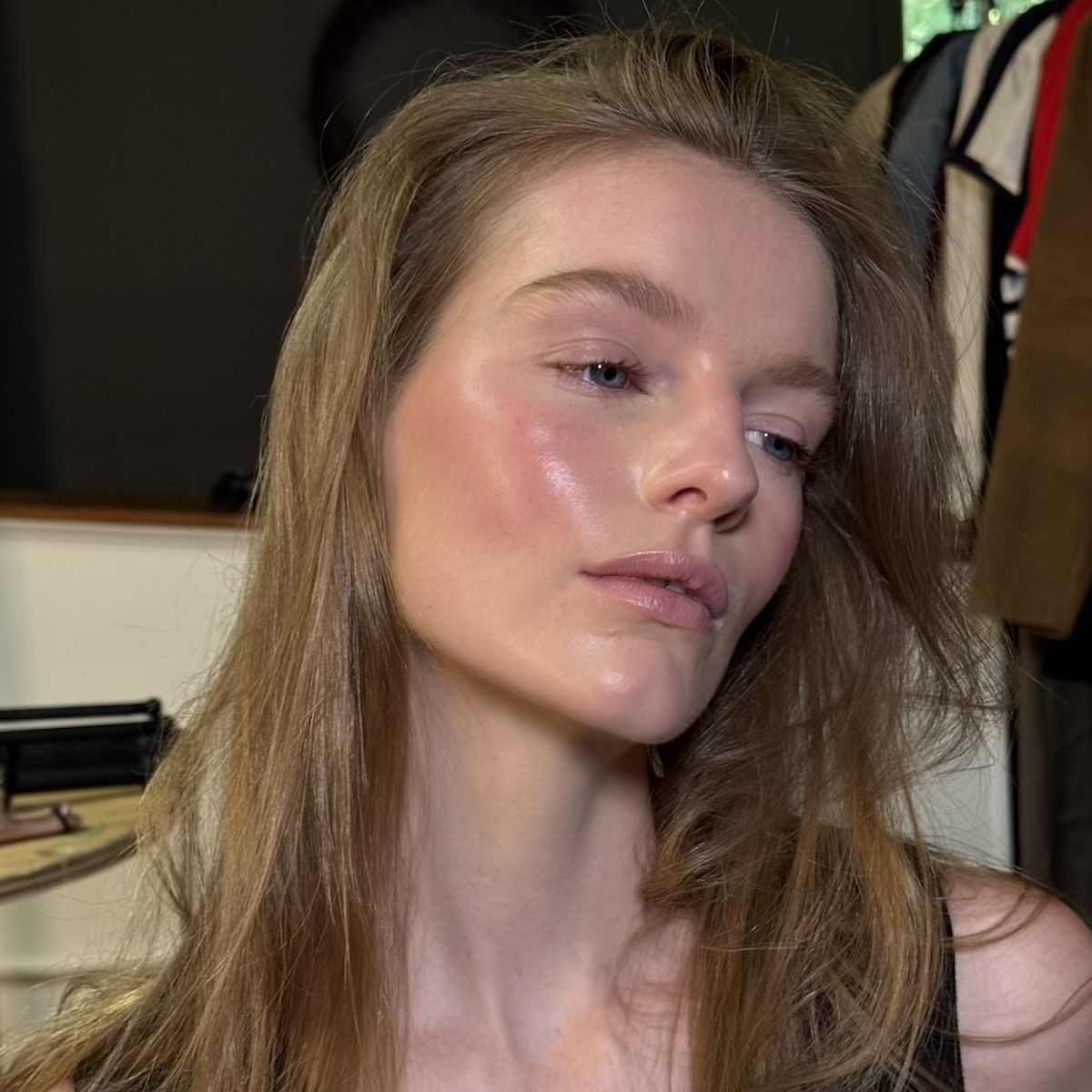
MAC
Lip Pencil
Firmer than most, which means a sharper line and fewer re-draws. The spin-off is that it can feel tight on dry lips, so balm underneath is not optional.
Shop the pencil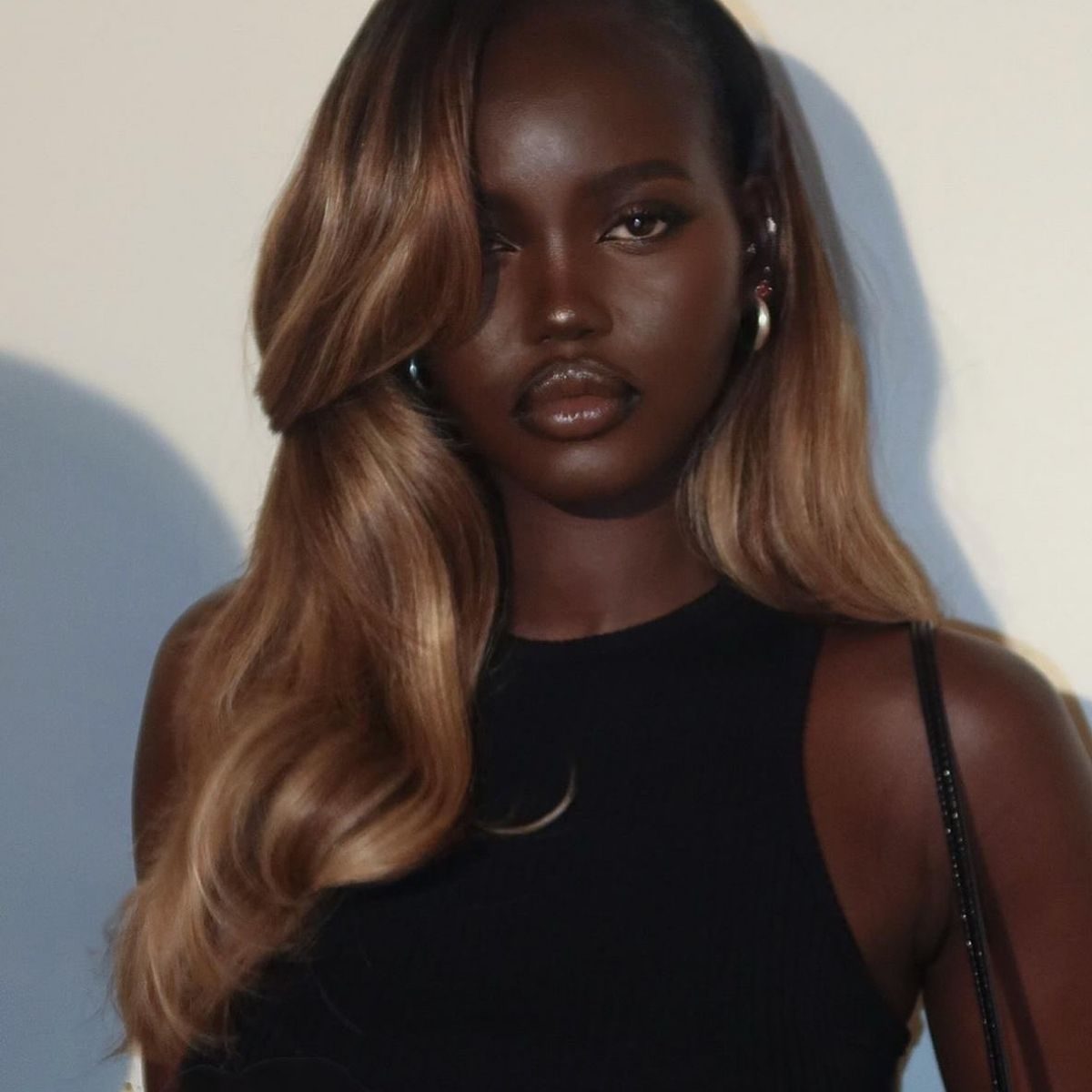
Revlon
Super Lustrous Lipstick
The 1990s browns in this line never left, and the cream finish blots down to the exact matte the decade used. Expect three hours before a top-up.
Shop the bullet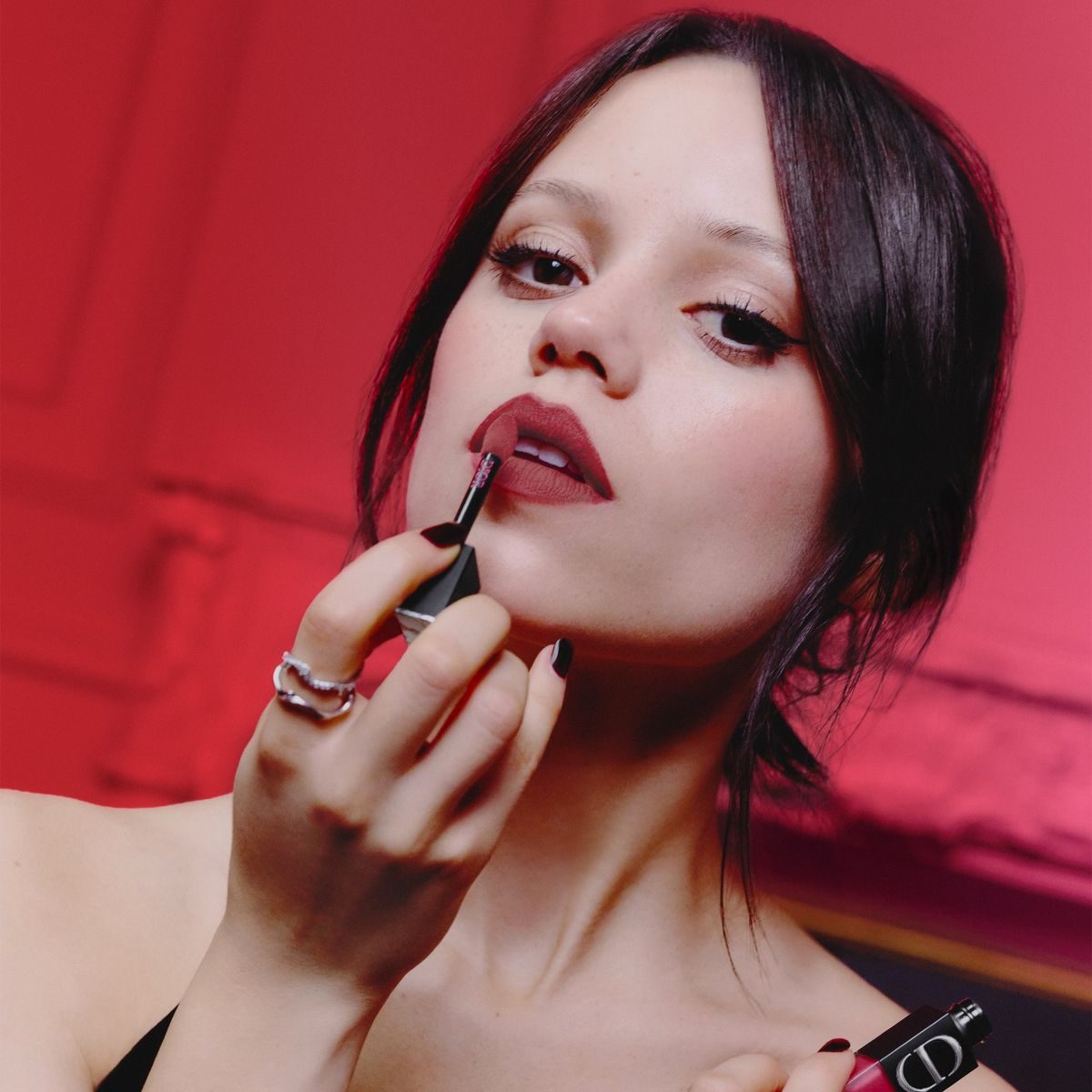
Charlotte Tilbury
Matte Revolution Lipstick
A modern matte that glides where period mattes drag, useful if your lips are dry. The trade-off is a shorter wear time than a true flat matte.
Shop the bullet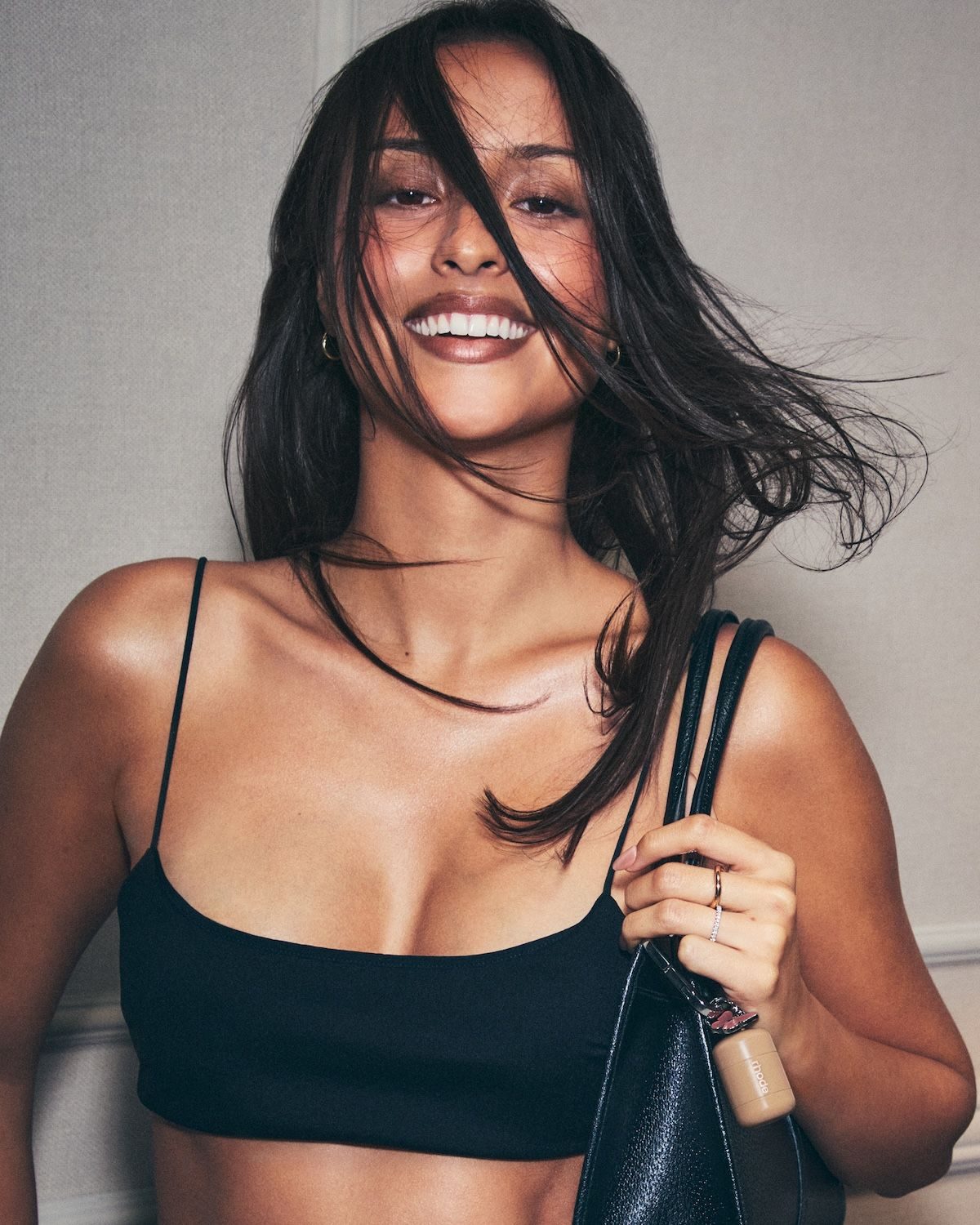
Glossier
Generation G Sheer Matte Lip Color
The most useful product here for a 1990s look at low effort: one swipe reads as a worn-in brown, three reads as a full period mouth. Dry by design.
Shop the lip colourAquaphor
Healing Ointment
Not a lip product by label and the best balm layer for a matte lip. Anything occlusive works; this one is simply the cheapest per gram.
Shop the balmWhy period looks tip into costume
Costume happens when the lip is finished to the last millimeter and everything else is left modern, or the other way round. A 1950s mouth wants a defined brow and a matte base. A 1990s brown wants almost no base and a slightly overdrawn brow. Choose a decade and commit, instead of one loud lip on an unfinished face.
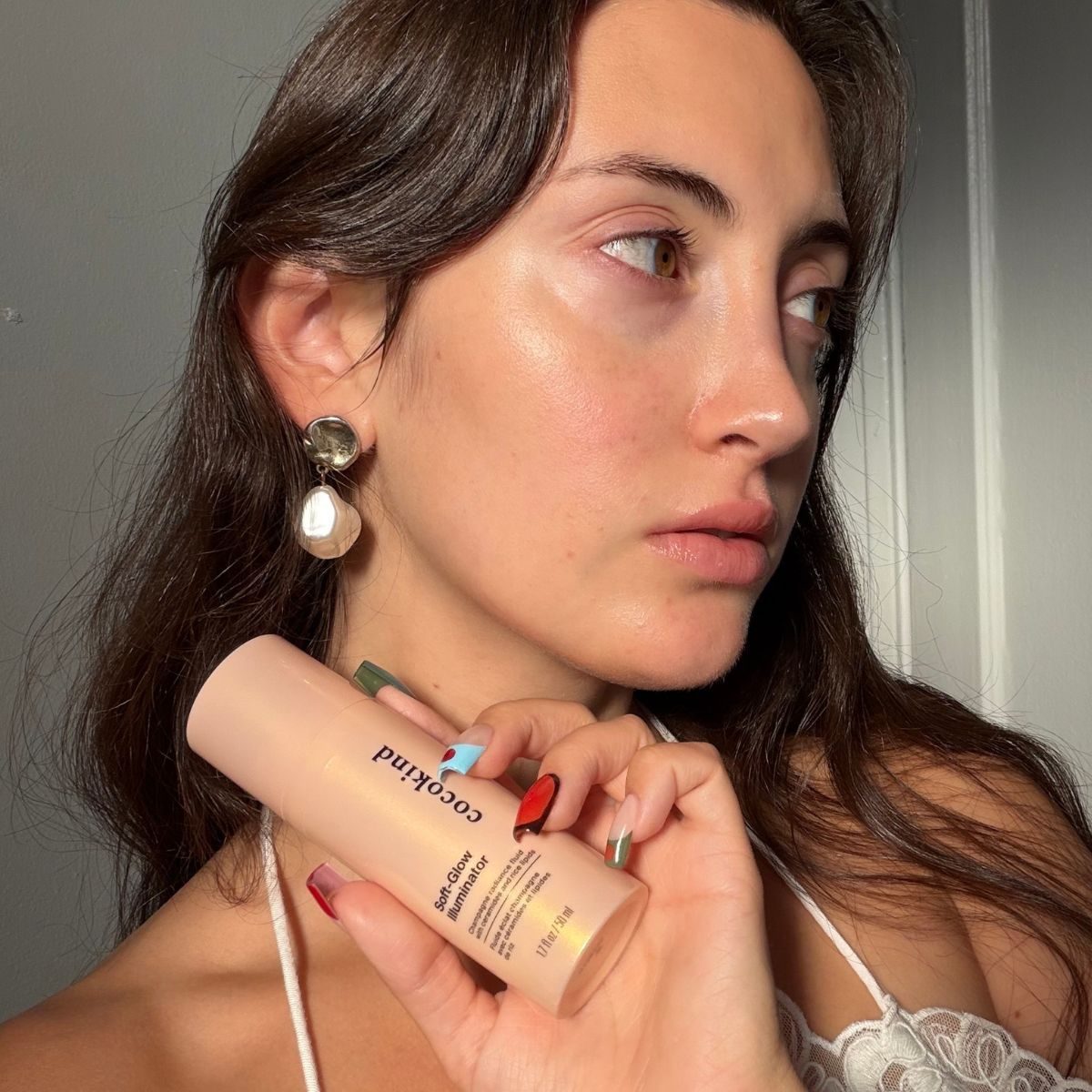
The other giveaway is shine. Gloss on a 1930s bow is right. Gloss on a 1990s brown is a different, later look. Texture, not color, is what makes people read a face as a decade, and changing texture costs nothing.