Fashion editors have a name for this autumn's most interesting idea, and it is a slightly funny one if you spend your weekends in charity shops. Who What Wear's editors, in their 11 October list of the season's five key trends, called it the modern heirloom: intricate, bespoke-feeling clothes bought with the intention of passing them on.
Kallmeyer and Conner Ives were the labels they named, with a Conner Ives silk robe coat as the top buy. The prices in that edit ran from US$340 for a ROAME jacket to US$2,765 for a Conner Ives wrap silk midi skirt, with a Kallmeyer car coat at US$1,960 (as listed, October 2026). Lovely things. But an heirloom, by definition, is something that has already been owned. The rail at the back of a good charity shop is full of them.
What the trend is really asking for
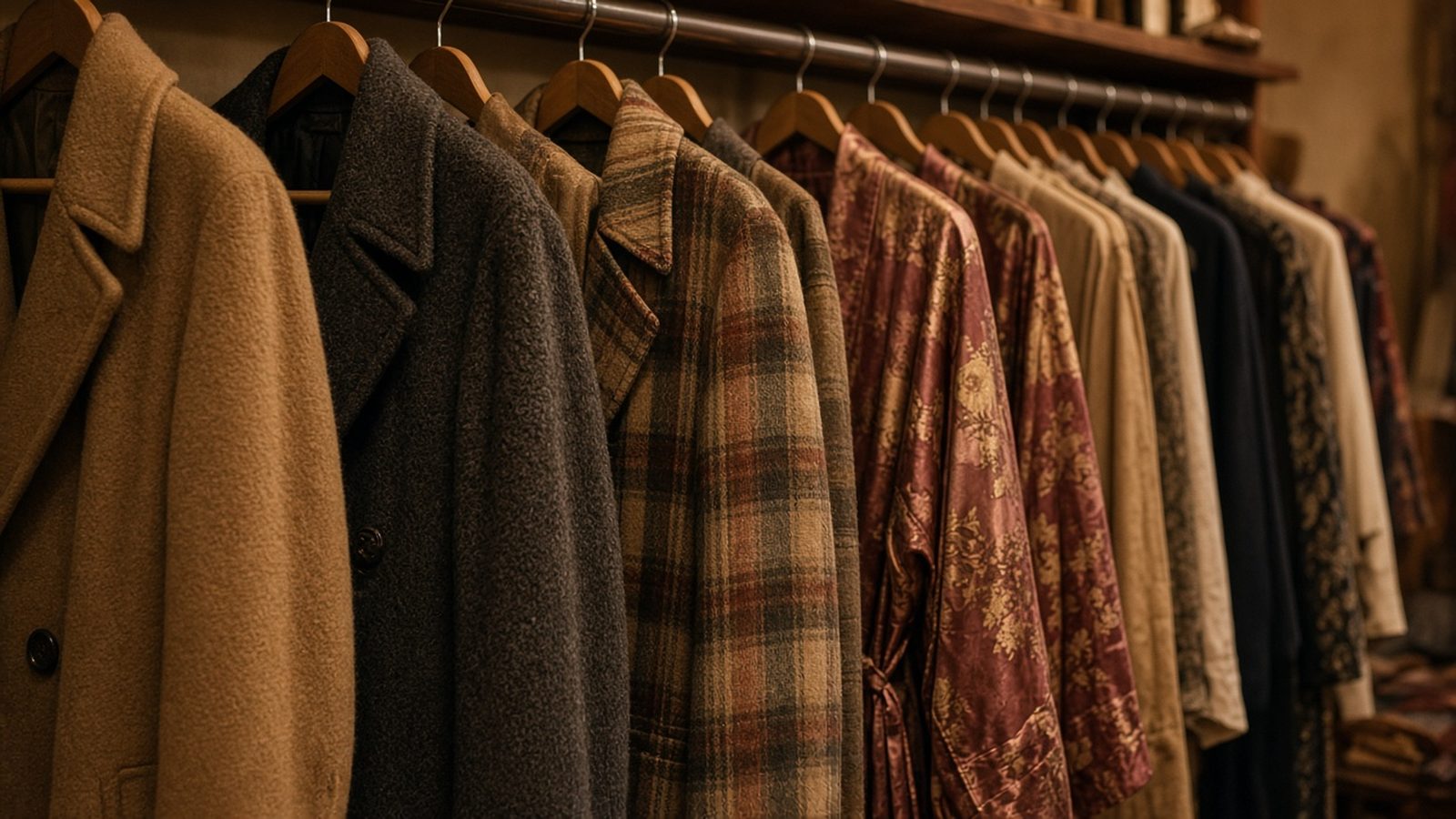
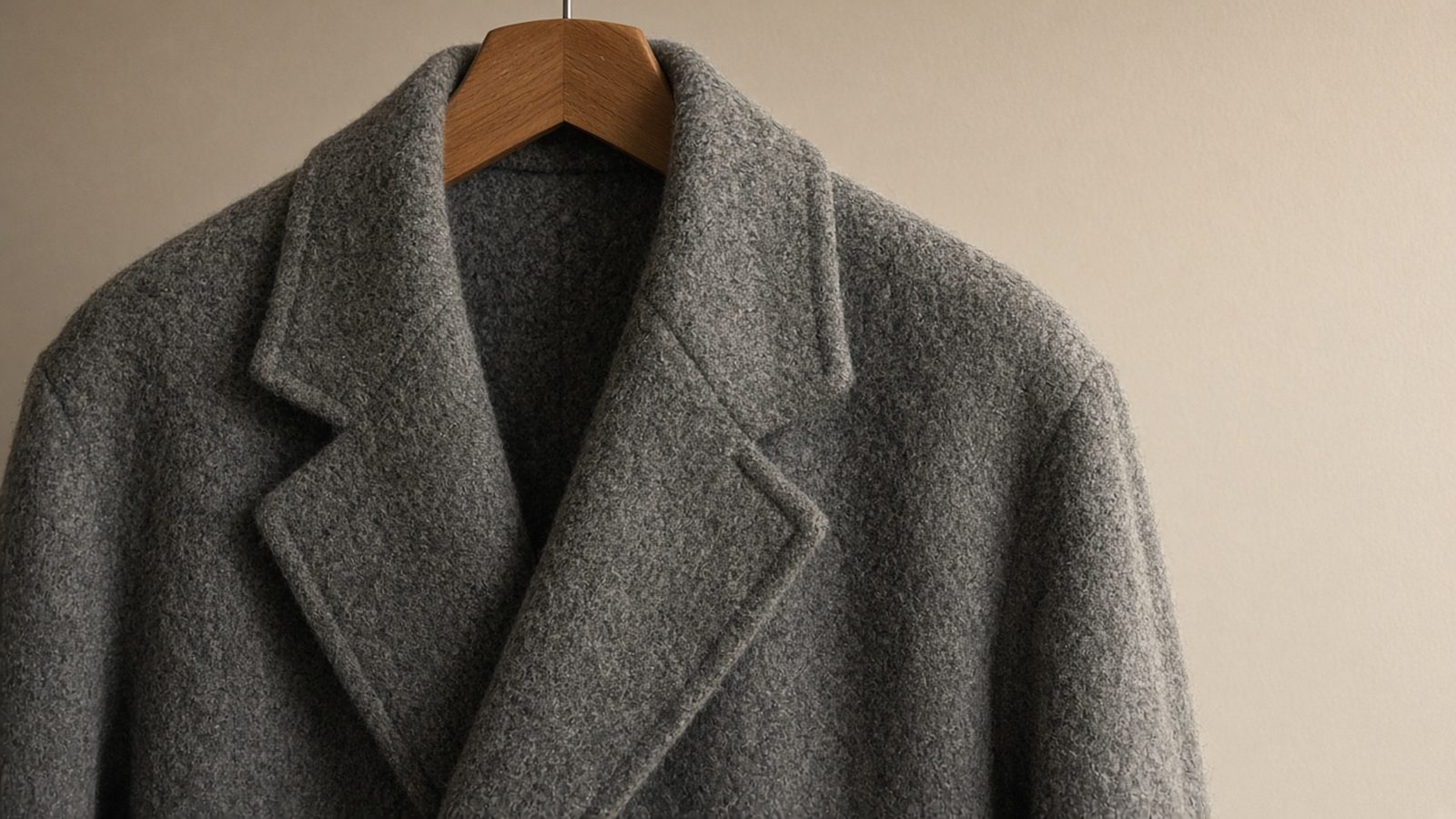
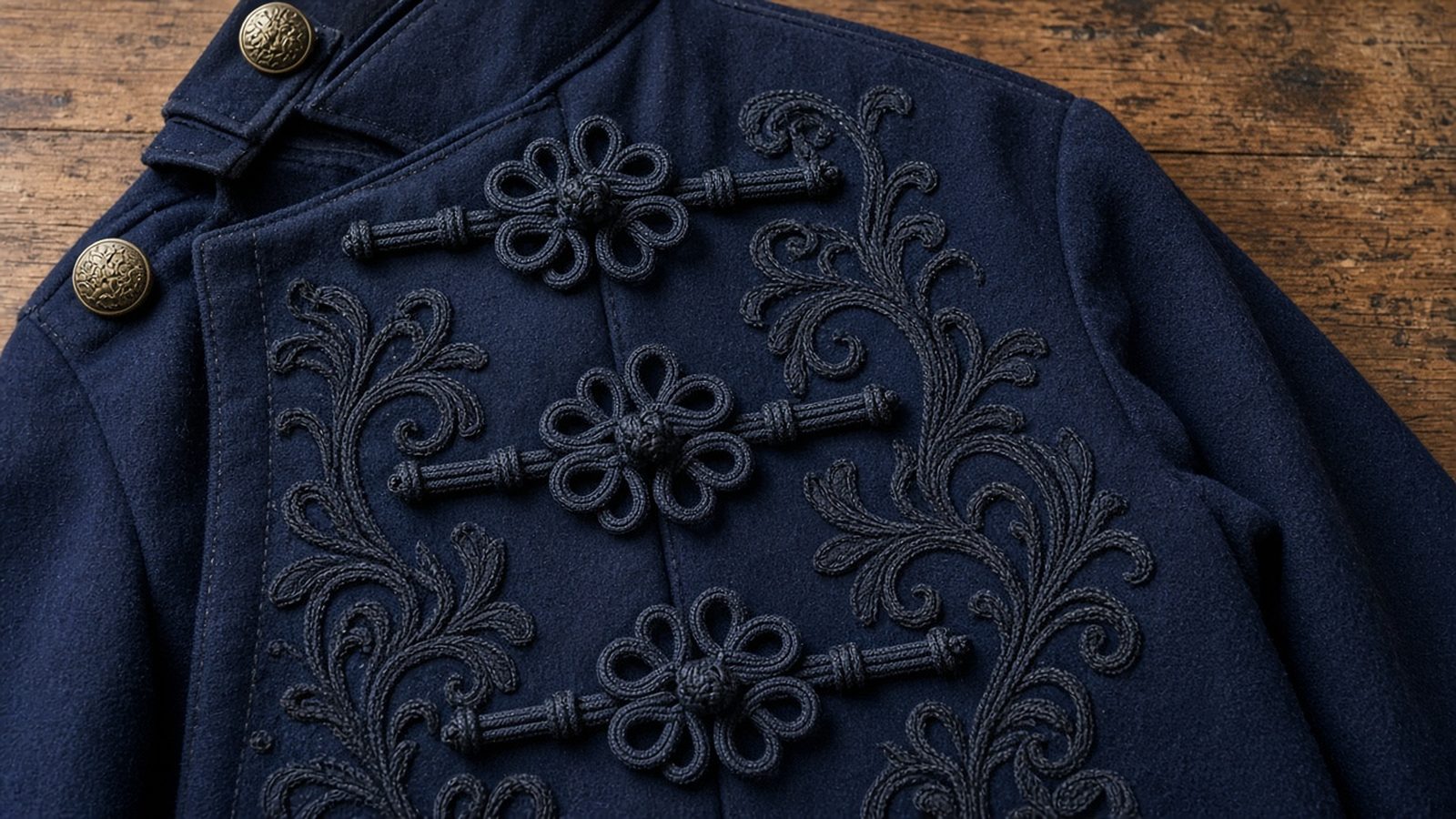
Strip the labels away and the brief is about qualities, not brands. Who What Wear described pieces with enough history in their design to feel as though they already have a story: a beautifully cut jacket, an intricately woven cloth. The same list also named military jackets, refined this year with frog closures, concealed buttons and embroidery rather than brass and epaulettes, and plaid, with one editor advising that if you buy only one plaid piece, it should be a wool coat you will reach for every year.
Harper's Bazaar's 20 October report adds two more that suit secondhand shopping beautifully: knitwear worn as an evening layer, and tuxedo dressing for daytime, a tuxedo jacket with jeans in place of a blazer. Old dinner jackets turn up secondhand all the time, usually because someone wore one to three weddings and then stopped being invited to black tie.
What to look for on the rail
- 1
Lift it before you look at it
Pull the hanger off the rail and feel the weight. A dense wool coat or a well-made jacket hangs heavily and drapes; a thin, cheap one swings. You can sort a whole rail in a few minutes this way before reading a single label.
- 2
Turn it inside out
The inside tells you more than the outside. Look for a full lining that is stitched in rather than glued, seam allowances wide enough to let out, and buttonholes that are properly stitched round. Heirloom-quality clothes were built to be altered.
- 3
Read the fibre label
For a plaid coat, you want wool or a wool-rich blend, and the label should name the fibre content. A coat that looks like wool and turns out to be mostly acrylic will pill and lose its shape far sooner.
- 4
Check the details the trend cares about
On a military-style jacket, look for frog closures, concealed plackets or embroidery, the details the editors singled out. On a dinner jacket, look for silk-faced lapels and a clean shoulder line. On knitwear, look for a tight, even knit that will not drop under its own weight.
- 5
Price the repairs before you pay
A missing button or a loose lining is an easy fix. Moth holes in the front of a knit, a split along a shoulder seam or a lining that has rotted away are not. Decide if you would pay for the repair, and if the garment is worth it, before you reach the till.
Where I would be careful
The mistake most people make with this trend is paying heirloom prices for things that merely look old. A boxy blazer with a printed lining and fused front panels is not going to last another forty years just because it came from the 1980s. Age is not quality. Construction is.
I would also be careful with silk. A silk robe coat is the headline piece of this trend, and vintage silk can be wonderful, but it is also fragile. Hold it up to the light and look for splits along the folds and underarms. Old silk that has started to shatter cannot be saved, however beautiful the print.
The point of buying it old
My view is simple. If the idea of the modern heirloom appeals to you, you will get closer to it secondhand than new. A thirty-year-old wool coat that still hangs well has already proved the thing a new four-figure coat can only promise. Buy that one, have the lining fixed, and it becomes your heirloom.