A cut that still looks intentional three months on is worth more than any styling product. Get one and you can drop a salon visit or two a year without anyone noticing. What you want is a strong weight line, a soft edge and no hidden step inside the shape. The name of the style matters less than where the shortest piece sits.
Scalp hair grows roughly half an inch a month, about six inches a year. That's the average StatPearls gives, and it varies with genetics, age and hair type. Nothing you rub on changes it, because the follicle sits under the skin. Trimming doesn't speed it up either. It removes split ends before they fray further up the strand, and that is a different thing.
Every cut has a shelf life, and the shortest piece in it decides how long that is. A one-length bob holds its line for months because every strand has the same distance to cover. A heavily layered cut starts to look thin at the edges within weeks, because the short layers fall out of the shape long before the long ones move.
The cuts that hide a gap
How each shape ages, and how often it needs trimming
| Cut | What it grows out into | Trim interval | Verdict |
|---|---|---|---|
| One-length bob, chin to collarbone | A longer bob with the same clean line | 10 to 14 weeks | The safest grow-out there is |
| Graduated or stacked bob | A softer, fuller bob as the stack drops out | 8 to 12 weeks | Very forgiving if the graduation is gentle |
| Curtain fringe with long layers | Sweeping face-framing pieces | 10 to 16 weeks | A fringe that grows sideways, not into the eyes |
| Long layers, no perimeter change | A stepped outline where the short layer sits | 6 to 10 weeks | Good while it lasts, the worst offender after |
| Blunt fringe above the brows | Hair in your eyes within three weeks | 3 to 4 weeks | The highest maintenance on the list |
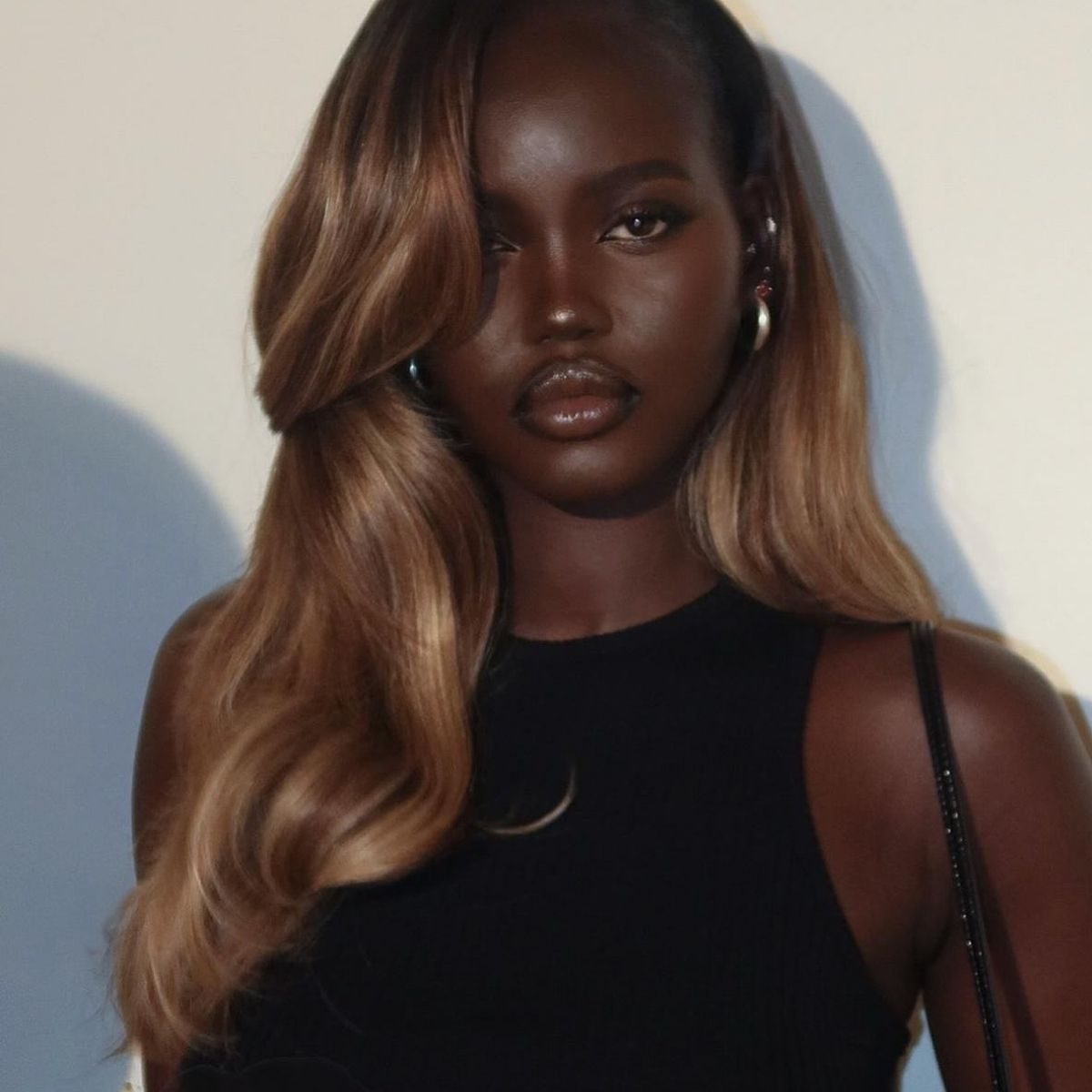
Two shapes are worth asking for by name. One is the blunt or softly graduated bob. The other is curtain bangs with face-framing layers. Both put the weight right at the outline, so a month of growth slides the whole shape down instead of breaking it apart.
What to say in the chair
- Ask for perimeter weight, not layers — Tell the stylist you want ten weeks between visits and a solid outline. A good one hears that and keeps the layers above the shoulders, out of the ends.
- Ask for the ends point cut — Point cutting snips into the ends vertically, so they taper into the shape. A hard horizontal line starts to look heavy after a month.
- Ask for the fringe cut dry — Hair shrinks as it dries, so a fringe cut wet ends up shorter than intended. Dry cutting lets the stylist see the final length.
- Say how long you will go before returning — If you'll realistically be back in twelve weeks, ask for a cut built for twelve weeks. That one sentence changes the shape more than any adjective you could use about length.
Keeping it going at home
Two habits buy you extra weeks. The first is the micro trim: a few millimeters off the very ends of a fringe or bob line, on dry hair, with proper hair shears. Paper scissors crush the fiber instead of slicing it. Take off less than you think, work from the center out and keep checking both sides.
The second is what stylists call search and destroy. Sit by a window, twist small sections and snip only the split ends that poke out of the twist. You lose no length at all, and it's the single most useful thing you can do between appointments.
What a longer cycle saves
Salon prices vary hugely by city, so do the sum with your own receipt. Stretching a six-week cycle to ten weeks drops you from about eight appointments a year to about five. Three cuts saved, plus three afternoons, adds up faster than most people expect.
Six things that buy you an extra month
None of these changes the cut. Each one adds weeks before it stops looking deliberate. Prices are shown only where we confirmed them on the brand or retailer page in Oct 2026.
 Best for second-day hair
Bumble and bumble
Thickening Dryspun Texture Spray
Gives flat second-day hair enough body to hold a style, which is most of what makes an old cut look tired.
Check price
Kristin Ess
Sea Salt Air Dry Texture Spray
A little grip at the root and a softer end, so a bob that has grown past the jaw still looks shaped rather than forgotten.
Check price
Slip
Pure Silk Pillowcase
Reduces the friction that frays the ends overnight, which is where a grow-out cut shows its age first. A satin polyester version does part of the job for a fifth of the price.
Check price
Crown Affair
The Comb No. 001, wide-tooth
Detangling wet hair with a wide-tooth comb rather than a brush is the cheapest way to stop snapping the ends.
Check price
Kitsch
Recycled Plastic Claw Clip, large
The most useful tool in a grow-out month: clipping the hair up hides an uneven outline. Buy two, because the one you like disappears.
Check priceVintage
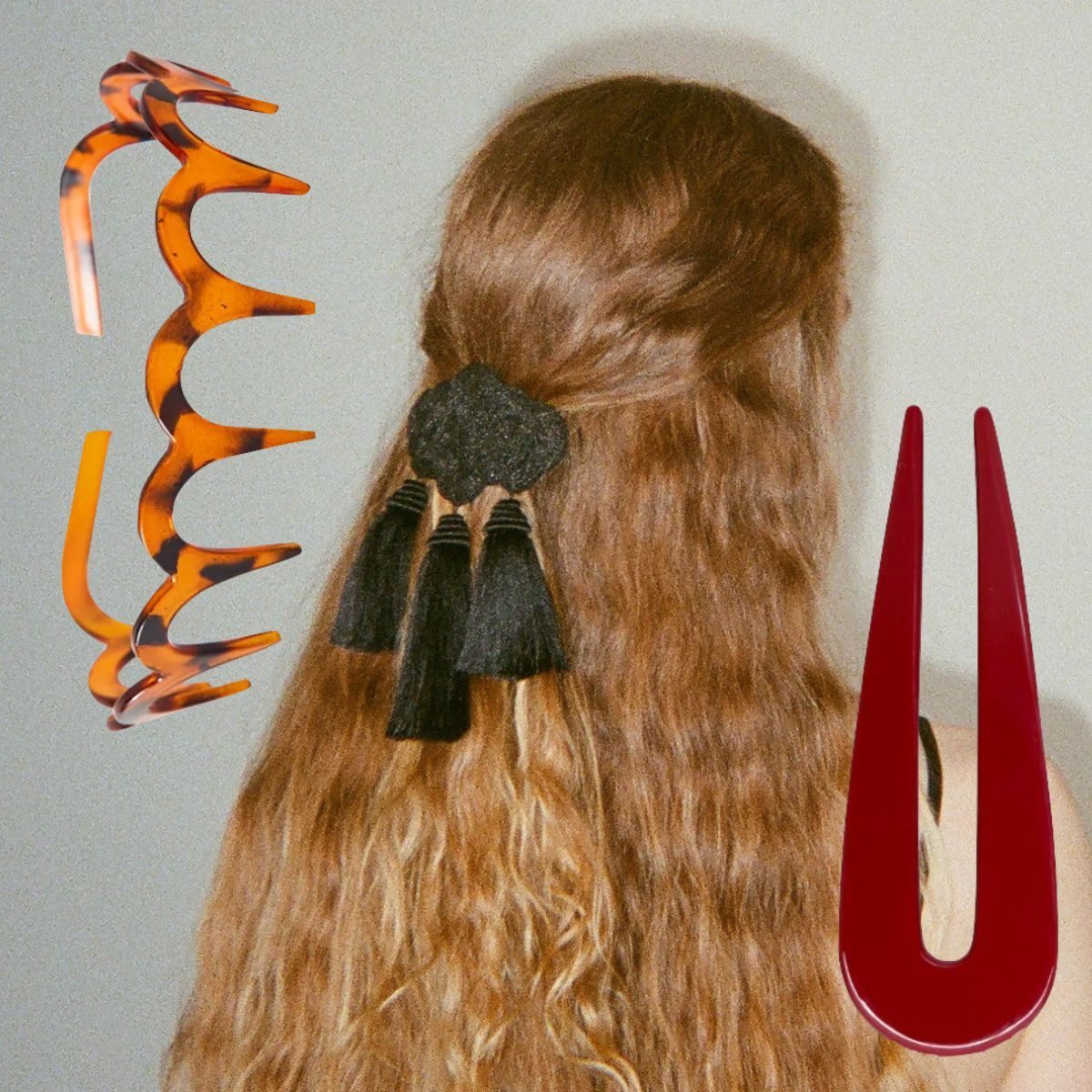
Tortoiseshell hair combs, 1990s
Old plastic and cellulose combs are sturdier than most of what is sold now and cost a few dollars on resale sites. Check the teeth for cracks.
Search Etsy