The autumn outerwear worth buying secondhand this year is not the outerwear the windows are pushing. Four shapes have been in circulation long enough that the resale market is deep, cheap and full of honest cloth: the trench, the wool overcoat, the barn jacket and the suede blouson. Two others, the cropped puffer and the cape coat, are new enough that supply is thin and sellers are pricing hope. Buy the first four. Wait on the rest.
That is a supply judgement rather than a style one. A coat cut in volume for thirty years has a settled resale price, which means you can walk into a shop already knowing whether the tag is fair, and the seller knows you know. A coat that appeared eighteen months ago has no reference point at all, so sellers guess upward and the buyers who agree with them set an inflated floor for everyone who follows.
What the windows are pushing, and what the rails are holding
This season the runways went wide and round: dropped shoulders, cocoon backs, coats that swallow a sweater underneath. Some of that volume is already on the rails, because it is a reissue of a silhouette that never actually left. The oversized wool overcoat of the early 1980s is the same garment, cut the same way, in heavier cloth than anything on a shop floor now.
The rest of it has not arrived. Cropped puffers and cape coats are new production, which means almost everything offered secondhand is either a cast-off from last winter priced near retail, or a fast-fashion copy with a hollow fill that will flatten by February.

The four shapes worth buying
- Trench coats — The most plentiful coat in secondhand, and the cheapest good coat you can buy. Burberry, founded in 1856, made the trench famous, but unbranded cotton gabardine versions are everywhere used, often around $35–70 (est.). Check that the belt is present; replacing one costs more than you'd think.
- Wool overcoats — Weight is everything. A single-breasted overcoat in dense melton or herringbone is often a $60–120 secondhand buy (est.). If the cloth feels like a suit jacket in your hand, it's a suit coat pretending to be outerwear. Check the fiber label: US rules require each fiber at 5 percent or more to be listed by percentage.
- Barn and chore jackets — Corduroy collar, blanket lining, three patch pockets. The shape has been in constant production since the 1970s, so supply is enormous and the ceiling is low: $30–55 used against $120–200 new.
- Suede blousons — The one category where secondhand genuinely beats new. Suede ages rather than wears out, and jackets that cost $400–900 new sell used for $60–140. Look for unlined suede; a failing lining is usually the only reason one is cheap.
New price, resale price, and the gap that matters
Use the table below as a rough guide before you buy. The right-hand column is the number to carry in your head: pay much above it and you're funding somebody else's margin.
Outerwear benchmarks, fall 2026 (estimates)
| Shape | New (est.) | Typical used (est.) | Pay up to (est.) |
|---|---|---|---|
| Cotton trench | $250–400 | $35–70 | $80 |
| Wool overcoat | $400–800 | $60–120 | $140 |
| Barn jacket | $120–200 | $30–55 | $65 |
| Suede blouson | $400–900 | $60–140 | $160 |
| Cropped puffer | $90–180 | $55–90 | $60 |
| Cape coat | $200–400 | $120–200 | $110 |
What to pay, and what to walk past
These are coats worth hunting this month. Every figure is my fair-value estimate for a garment in wearable condition, not an asking price.
The five coats to hunt first
Alterations are extra and rarely worth much on a cheap coat. Prices are shown only where we confirmed them on the brand or retailer page in Oct 2026.
 Best all-round buy
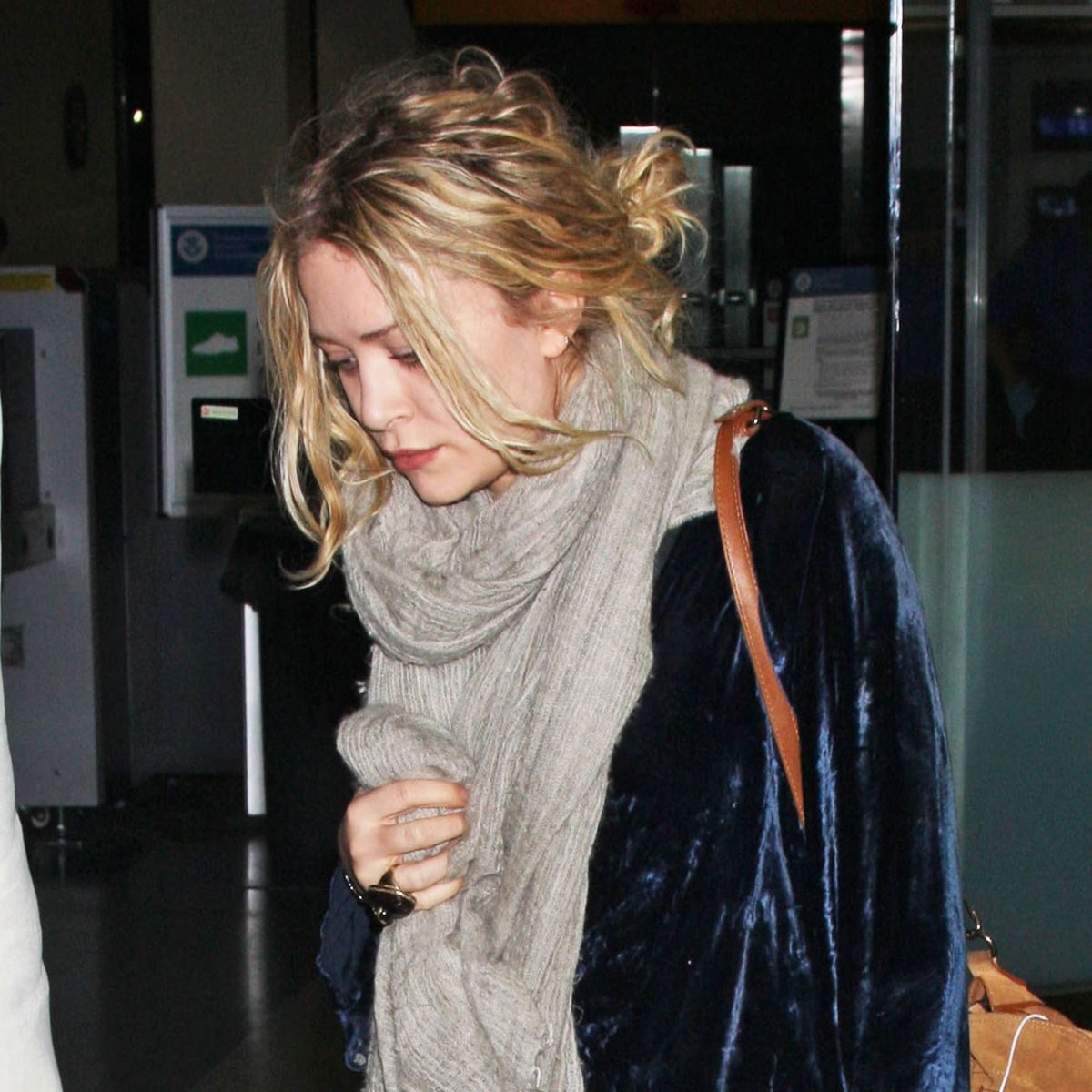
Vintage Burberry
Cotton gabardine trench
Resale has softened because supply is endless, which is good news for buyers. Insist on a removable wool liner if you want it to work in November.
Search listings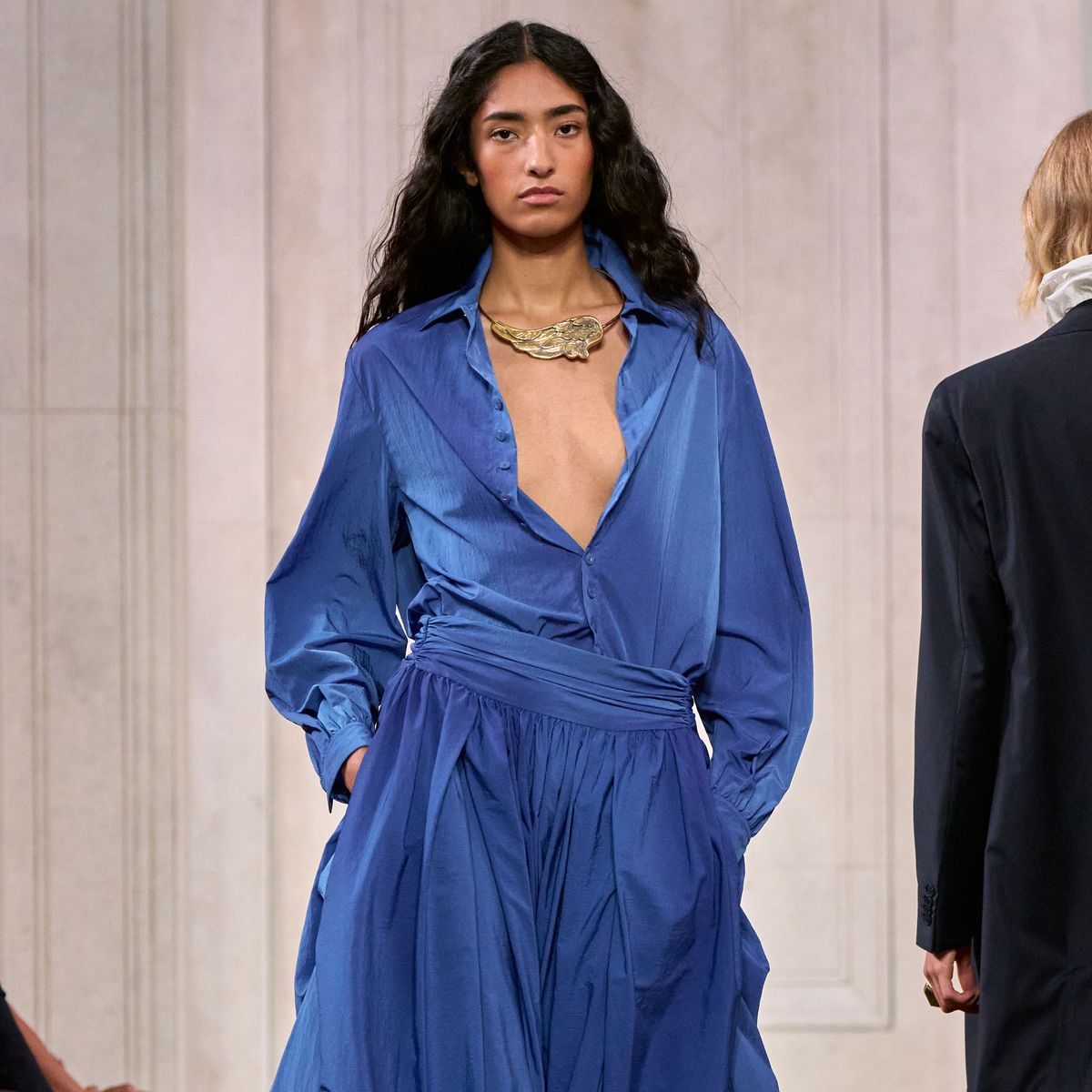
Harris Tweed or unbranded
Dense melton wool overcoat
Thin, floppy melton pills within a season; dense melton outlives you. Squeeze the cloth through the lining pocket before you commit to the price.
Search listings Cheapest good coat
Carhartt or workwear
Blanket-lined barn jacket
Check the cuff edges and pocket mouths, which take all the wear. A jacket with intact cuffs and a flattened lining is still a bargain at the top of the range.
Search listings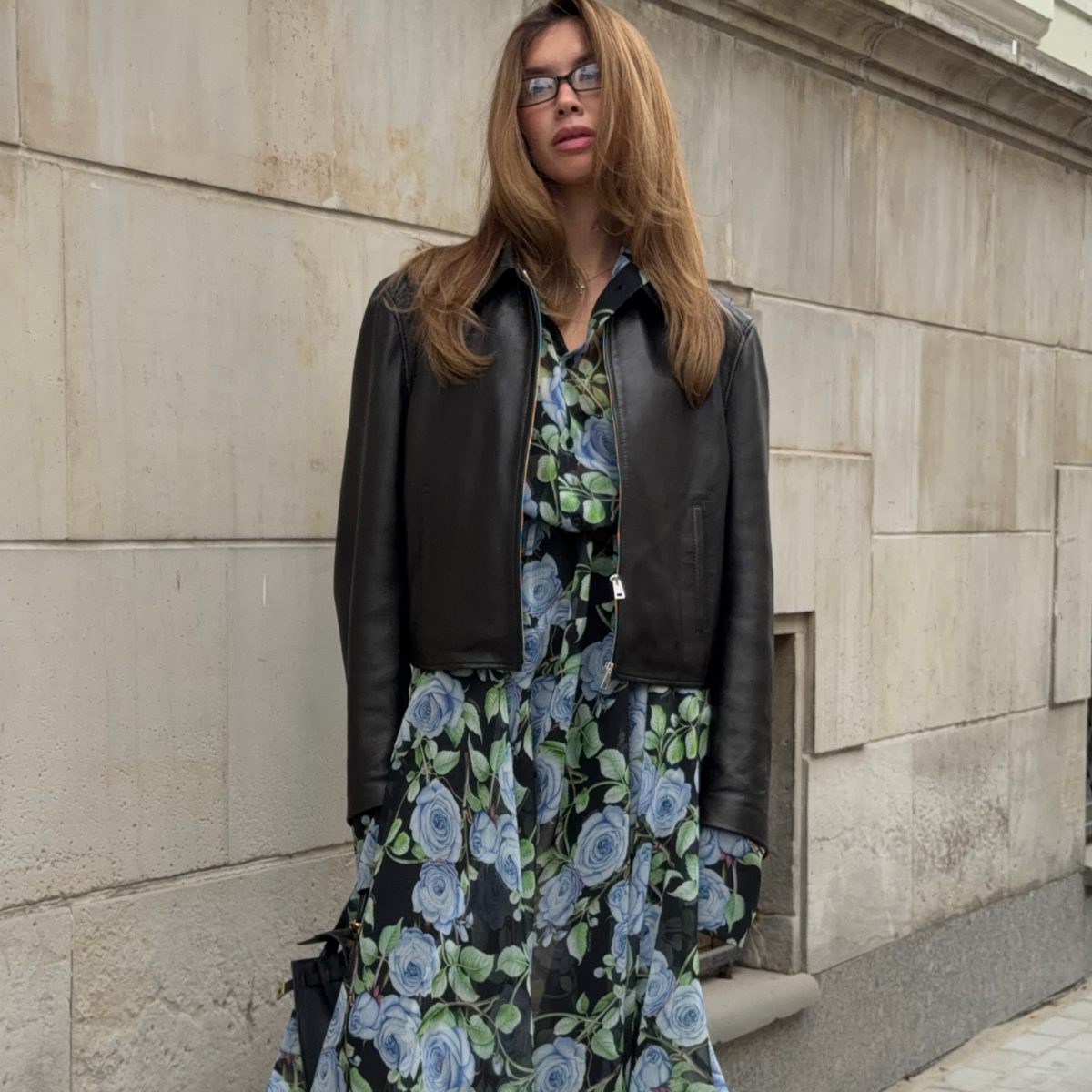
Unbranded, 1970s–90s
Unlined suede blouson
Brush the nap with your thumb. If it springs back the hide is healthy; if it stays flattened and pale, the suede is thin and will split at the elbows.
Search listings Longest hold value
Any maker
Double-breasted wool coat, defined shoulder
A shape that has held resale value well. Squeeze the lapel for a floating layer of hair canvas before you pay.
Search listingsThe two trends to leave on the rail
Both of this season's genuinely new outerwear ideas are, judged purely as purchases, the worst buys in the shop.
How to test a coat in ninety seconds
- 1
Check the underarms
Turn the coat inside out. Underarm lining is where a coat tells the truth: a brown bloom or a split seam means heavy wear, whatever the outside suggests.
- 2
Zip and button everything
Run the zip up and down twice. Replacing a coat zipper can eat most of the saving on a cheap coat.
- 3
Look at the hem, not the collar
Collars can be turned and re-pressed. A hem that has been let down and re-stitched usually shows a line of old needle holes an inch above the new stitching.
- 4
Weigh the cloth in your hand
A wool overcoat should feel like it needs two hands to lift off the rail. If you could carry it on one finger, it is a light coat and it will not survive a real winter.