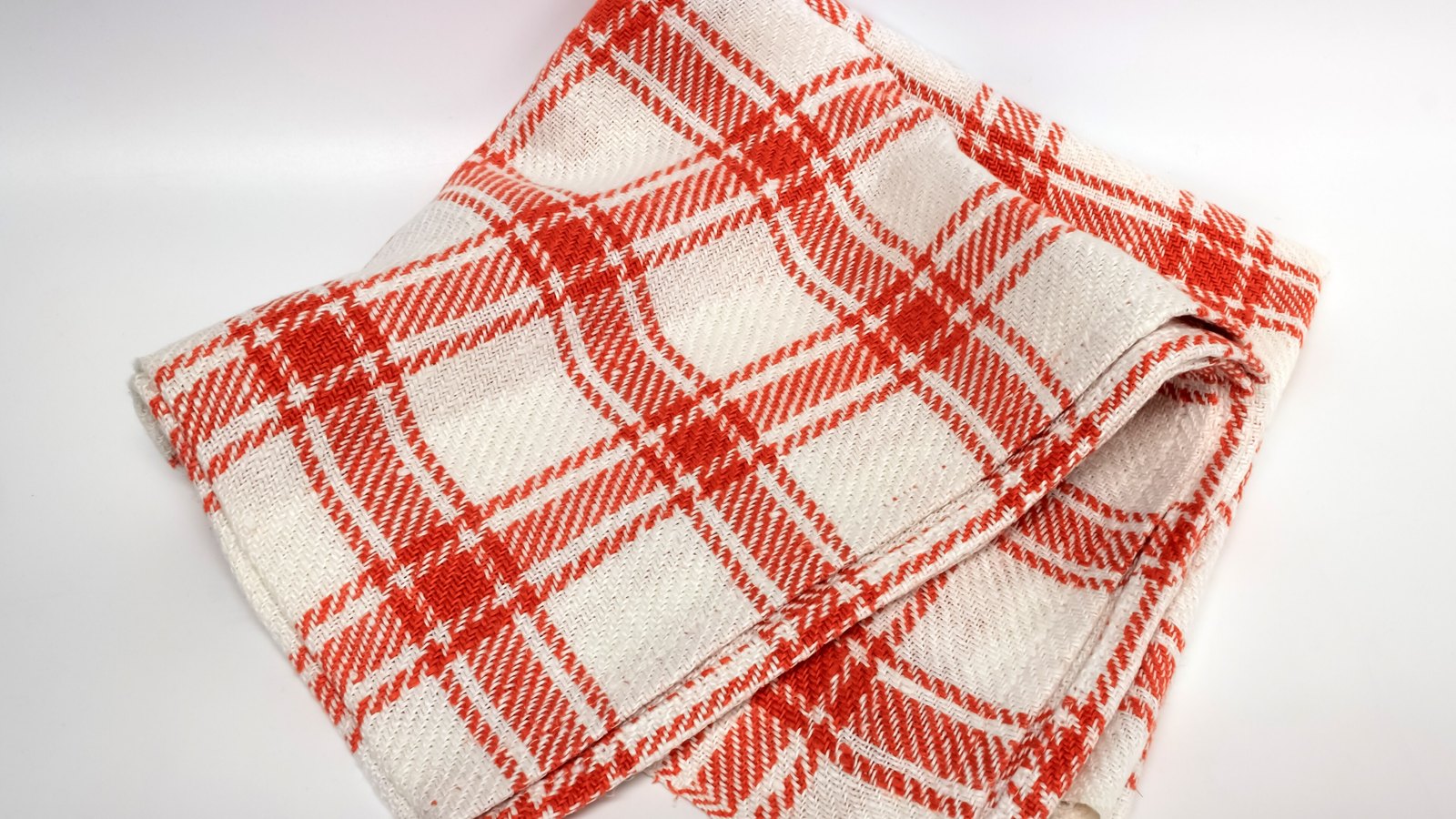
Turn the rug over first. The back is where a rug admits how it was made, and the pile is where it admits what has been done to it. A hand-knotted wool rug with moth grazing is a bargain at the right price; a hand-tufted rug with a water-stained latex backing is not worth the cleaning bill.
Rugs are the part of a secondhand home where condition decides everything, because a repair is skilled work rather than a swap. Learn to read the back and the pile in the five minutes you have in a seller doorway, and you will avoid the two failures that ruin the purchase: moths and moisture.
Reading the back in a doorway
Construction, and what the back reveals
| How it was made | What the back looks like | What it means for you |
|---|---|---|
| Hand-knotted | Slightly irregular raised knots, fringe is the warp ends | Repairable, worth restoring, holds value |
| Hand-tufted | Flat canvas coated in latex with a glued scrim | The latex fails and cannot be replaced gracefully |
| Machine-made | Uniform and dense, edges machine-bound | Replaceable rather than repairable, so buy on price |
| Flatweave kilim | No pile, a visible weft, often reversible | Cheap to clean, but the structure distorts if it is washed wet |

What to check before you pay
- Moths, in the shaded places — Damage looks like grazing: the pile cut at the base in a patch, usually where a piece of furniture stood or where the rug was folded. Small white larvae, webbing or papery casings mean the infestation is live rather than historical.
- The fiber, with a burn test — A few loose fibers from the back. Wool smells of singed hair and leaves ash that rubs to powder. Synthetic melts into a bead. Viscose, sold as art silk, is shiny, crushes easily and burns like paper.
- Color bleed and sun fade — Look for red bleeding into cream, usually caused by a previous wet clean, and for a pale rectangle where furniture stood. Both are permanent and both are priced in.
- The moisture question — A musty smell, dark stains on the backing or a stiff, crunchy pile all point to damp storage. Wool can be washed professionally, but a latex-backed tufted rug that has been wet is usually a write-off.
Knot density decides value as much as condition does, and it is countable. Knots per square inch on a finely made city rug can run into the hundreds, while a village or tribal rug often sits between 60 and 150 and is not worse for it. Density is a sign of labor rather than of quality, and a coarse tribal rug in good condition is a better purchase than a fine one that has been attacked by moths. Hand-knotted oriental rugs come from a broad "rug belt" stretching from Morocco across the Middle East into Central Asia and northern India, which is why construction varies so much.
Six rugs worth buying secondhand
Budget for a professional clean on anything unstained but dusty; cleaners usually price by the square foot. Prices are shown only where we confirmed them on the brand or retailer page in Oct 2026.
 Best value
Vintage
Hand-knotted wool rug, 8 x 10
A large hand-knotted wool rug is the single best-value object in secondhand interiors, because shipping costs make buyers local and patient ones pay half.
Compare listings
Vintage
Turkish kilim runner
Kilims wear better than their price suggests because a flatweave has no pile to crush. Check the ends for unraveling, which is the one repair they usually need.
Compare listings
Vintage
Moroccan wool rug, 6 x 9
A heavy deep pile hides age and is nearly impossible to ruin with a vacuum. Wash it flat and dry it in the sun and it comes back like new.
Compare listings
Vintage
Wool runner, 2.5 x 10
Runners are cheap because fewer rooms fit them, and they take the most wear in a house. A good wool runner in a hallway lasts a decade and costs less than a new synthetic one.
Check prices
Vintage
Hand-tufted wool rug, 5 x 8
Worth it at this price if there is no water damage, because the latex backing is the part that fails and it fails quietly after a wet clean.
Compare listingsSafavieh
Washable flatweave rug, 5 x 7
The honest option for a kitchen or a hallway with children in it. It is not a wool rug and does not pretend to be, and it goes in the machine when something spills on it.
Check priceCleaning a wool rug at home
- 1
Test a corner with the solution
pH-neutral wool detergent, cool water, and a hidden corner. Blot, wait an hour, and check for color running before you touch the middle of the rug.
- 2
Blot spills, never rub
Rubbing drives the stain into the pile and fuzzes the surface. Press a clean towel down, work from the outside of the stain inwards, and change the towel often.
- 3
Dry flat, off the floor, with air moving
A fan and an open window. Never over a radiator or heat vent, which shrinks wool, and dry it within a day or two; the EPA notes that materials dried within 24 to 48 hours usually won't grow mold, and never rolled up damp, which is what grows the mildew you were trying to avoid.
- 4
Know what cannot be washed
Never machine wash a wool rug and never soak a sisal or jute one, which shrinks and rots. A heavily soiled or antique rug goes to a professional rug washer.
Pads and sizing
A rug pad is not an upsell. It doubles the working life of anything with a pile, stops the rug creeping across a slippery floor, and adds a little cushioning over a hard subfloor. Buy a felt and rubber pad and cut it an inch or two smaller than the rug on every side, and avoid a solid rubber backing on a lacquered wooden floor, where it can leave a mark that has to be sanded out.