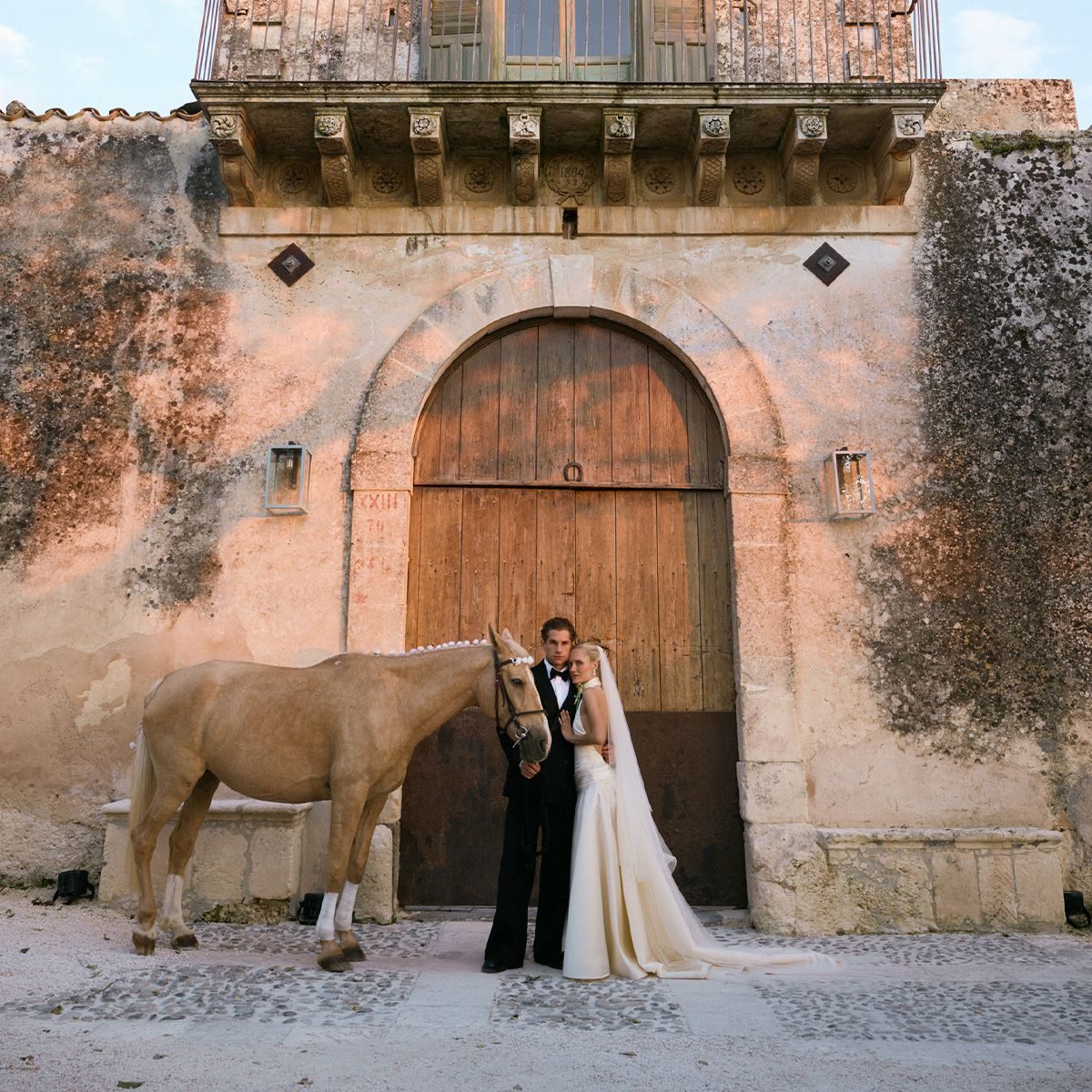
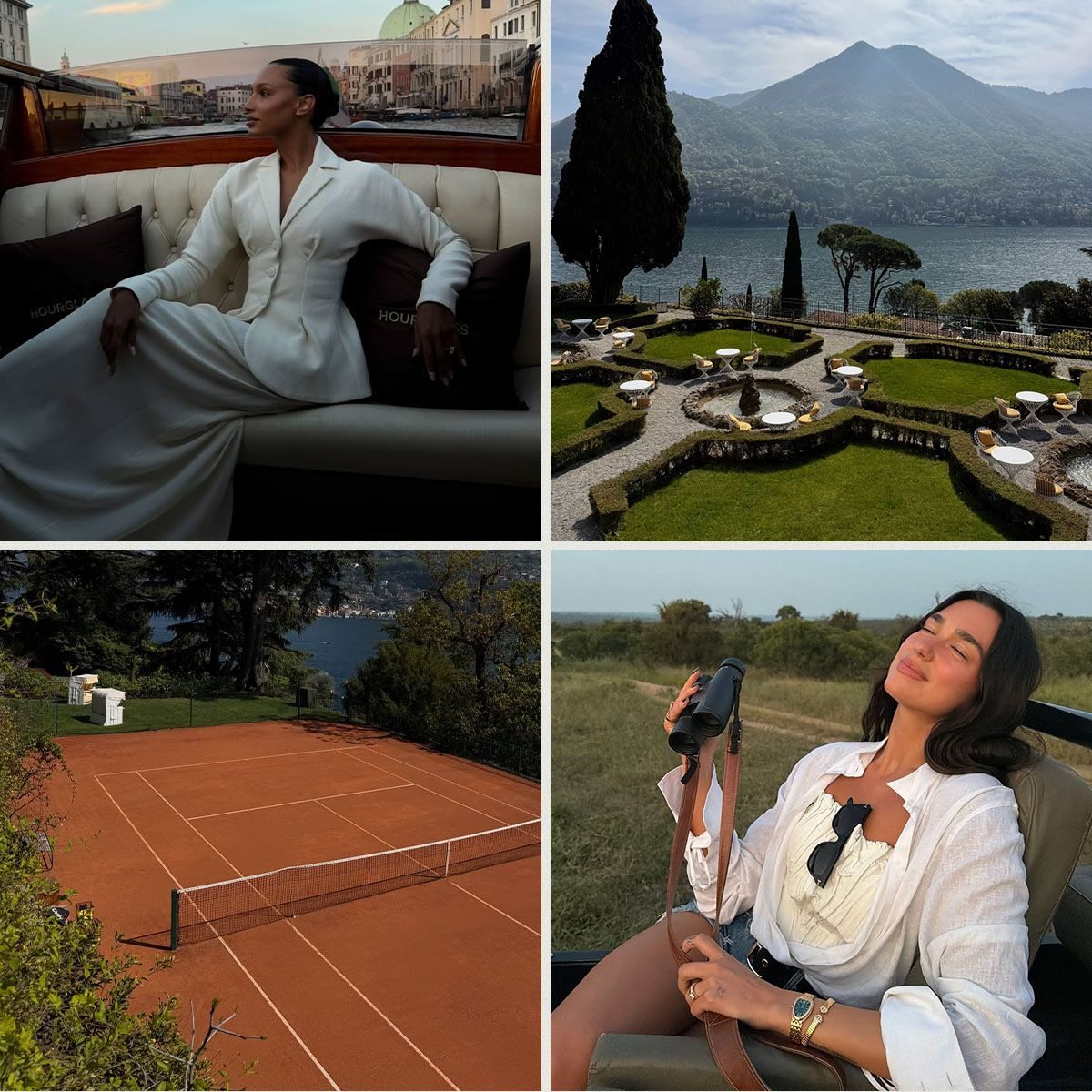
Choose two or three tones within one color family, fix the fabric and the length, then let each bridesmaid buy her own dress secondhand in her own measurements. One shared stockist in one dye lot looks uniform. Six brands in the same named color looks like a mistake.
New bridesmaid dresses add up fast. Five attendants at $200 each is $1,000 before alterations, shoes or anything else. The same five dresses bought secondhand, inside a coordinated palette, can cost a fraction of that (estimates, Oct 2026).
The rule that makes mismatched work
Mismatch the tones and the people, not the construction. Keep the fabric family, the length and the level of formality identical across the group, and vary only the shade and the neckline. The eye then reads a consistent group with deliberate variation, not a group that could not agree.
- One fabric family — Chiffon, satin, crepe or velvet, but not two of them. Sheen differs between them, and a satin dress beside matte chiffon looks like two weddings in one photograph.
- One length — Floor, midi or knee, and the same for everyone. A single guest in a different length reads as a mistake from every angle but the front row.
- Three tones at most — Two or three shades from one family is a palette. Five is a crowd. Assign a tone to each side of the couple and work outwards.
- One formality level — A beaded gown and a plain slip dress are not the same dress code, however close the colors are. Ask for the same occasion category, not the same brand.
- Agree the shoes first — One shoe color and one heel height flattens every remaining difference in the photographs. It is also the cheapest thing to coordinate.
Tones that survive being bought separately
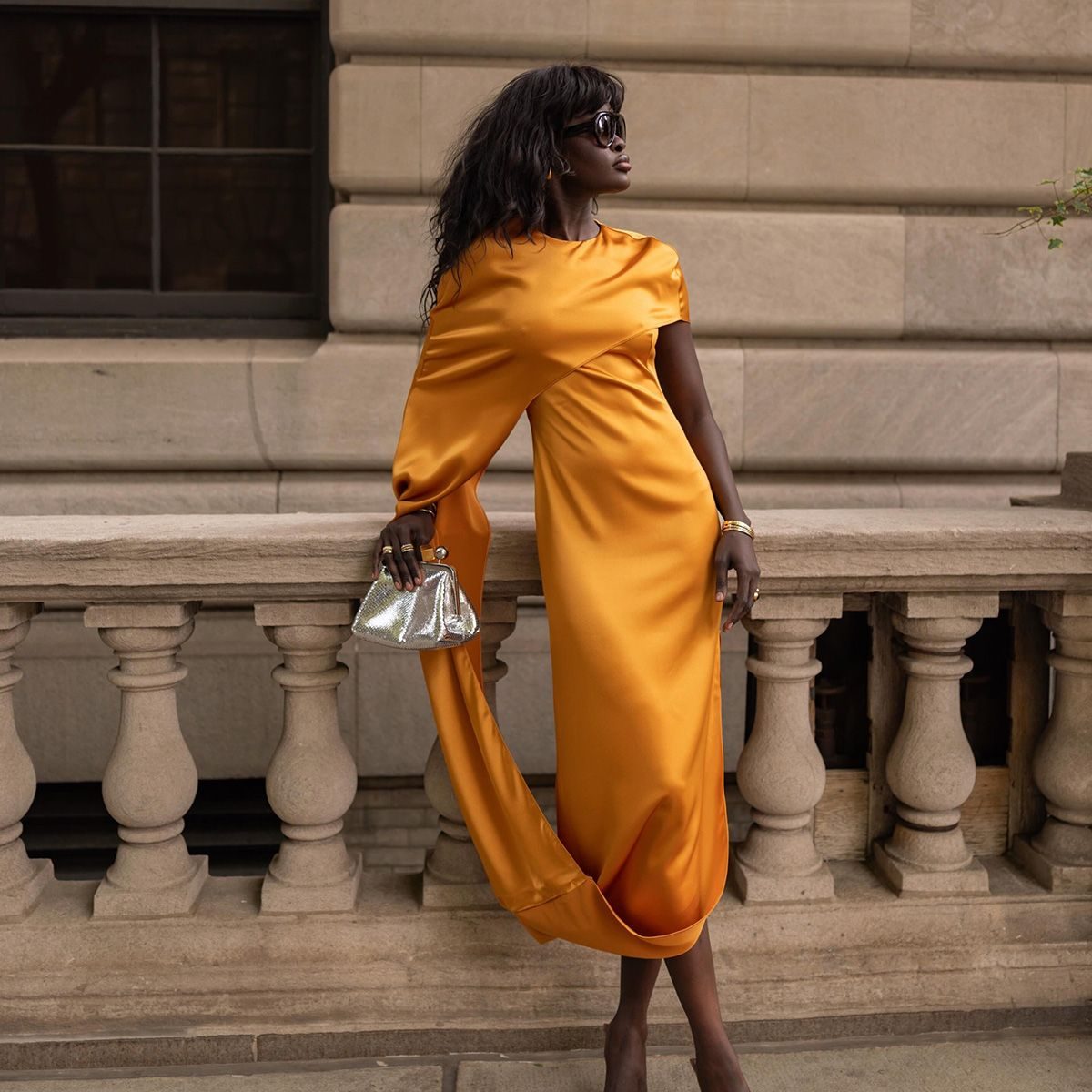
Palettes that hold together across brands (prices are estimates)
| Tone family | Pairs with | Avoid | Typical secondhand price |
|---|---|---|---|
| Sage | Eucalyptus, stone, cream | Lime, true gray | $40 to $90 |
| Dusty blue | Slate, navy, silver-gray | Sky blue, denim blue | $35 to $80 |
| Terracotta | Blush, rust, warm cream | Scarlet, magenta | $40 to $85 |
| Chocolate | Camel, ivory, blush | Black, bright white | $45 to $95 |
| Burgundy | Rose, blush, antique gold | Orange-red, purple | $40 to $90 |
Color names are marketing rather than measurement. A sage from one brand and a eucalyptus from another can be the same fabric within a shade, while the same named color across two brands can sit five shades apart. Agree the palette by eye from saved photographs, not by pasting a color name into a group chat.
Sizing: what a bridal number means
Formal and bridal sizing often runs larger than street sizing, so someone who wears a street 10 may measure a bridal 12 or more. A dress already altered down is the riskiest buy, because the seam allowance is usually gone and it cannot be let out again. Read the fiber labels as a group, too: US rules require any fiber at 5 percent or more to be named with its percentage, which makes it easy to keep everyone in one fabric family.
- 1
Ask for measurements, not dress sizes
Bust measured flat and doubled, natural waist, and length from the shoulder seam to the hem. Those three numbers compare a size 8 from one maker with a size 12 from another.
- 2
Set a spending cap and share it
A published ceiling of $60 a dress removes the awkward part. Most secondhand formalwear sits under it, and a cap stops one person spending $250 out of obligation.
- 3
Give a deadline for purchases
Three months out, with a photograph of each dress in the group chat. Late additions cause the only real problems, usually a dress that matches nothing.
- 4
Prefer A-line and bias cuts
Both are forgiving across a two-size range and simple to shorten. A fitted mermaid gown needs a professional fitting on every wearer.
- 5
Buy one spare in the middle size
A second dress in a 12 provides fabric for straps, hems and repairs, which is cheaper than a dye-lot hunt three weeks before the wedding.
Dyeing, and why it rarely unifies a group
Home dyeing polyester chiffon is a dead end. Polyester needs disperse dyes at near-boiling temperatures and gives uneven results on blends, which is what most budget bridesmaid dresses are. Silk, cotton, viscose and nylon take dye far better, so check the care label before buying anything with recoloring in mind.
What does work is buying the same style twice and shortening it, or using a second dress as a source of matching fabric. Both keep the color exact, which is the only thing a dye bath promises and rarely delivers.
Six places to dress a whole party
Buy together where a seller has several sizes in one style. Prices are shown only where we confirmed them on the brand or retailer page in Oct 2026.
Best for coordinationPoshmark
Sets from the same label
Search the exact style name and buy as many as the seller has. Taking the same dress in three sizes is the only way to guarantee a color match across a group.
Search dresses
Depop
Bias-cut slip dresses
Slip and bias-cut midi dresses in muted tones, and the easiest silhouette to wear across a two-size range. Ask for the pit-to-pit measurement, which sellers often leave out.
Search slips Cheapest
Vinted
Dresses under $60 in every size
The deepest low-cost stock, with strong filters by size and color. Photographs are inconsistent, so request close-ups of the seams and the hem before paying.
Search Vinted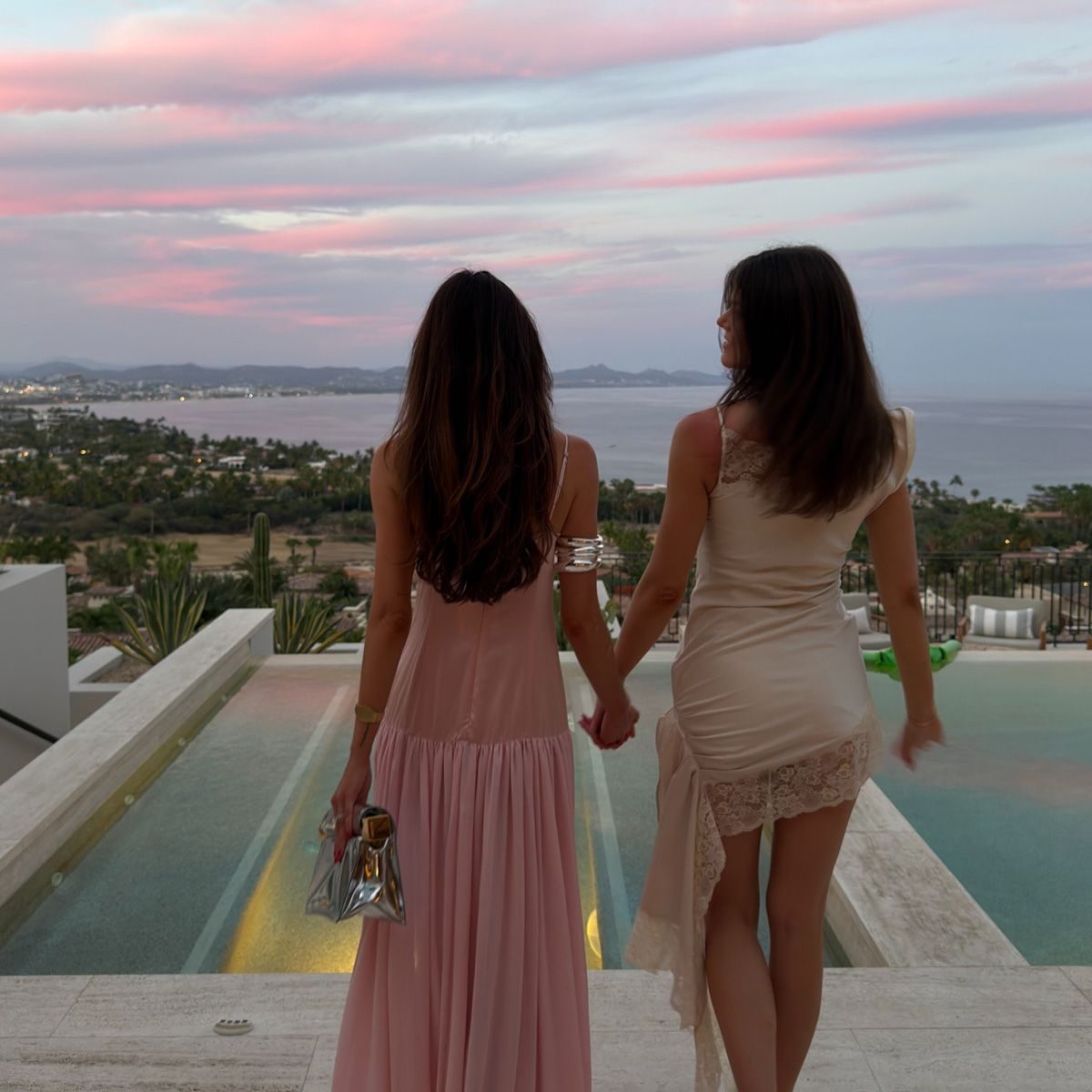
ThredUp
Occasion dresses in extended sizes
One of the few places where a full size range sits together, which matters when six people need six different numbers. Measurements appear on some listings and not others.
See listings
Mercari
New with tags formalwear
Unworn dresses from cancelled weddings appear here regularly, which means no alterations and no dry-cleaning bill. Check how long a listing has been up, because old ones rarely sell for a reason.
Browse dresseseBay
Vintage formalwear by decade
Where 1970s and 1980s dresses turn up in real silk and heavier crepe, often for less than a new fast-fashion dress. Vintage sizing often runs small; US size standards became voluntary in 1970 and were withdrawn in 1983, so measure rather than trusting the label.
Search eBayWhat the group saves
Five bridesmaids buying secondhand at $50 each spend $250, against $1,000 for five new dresses at $200, and the alterations bill falls because sizes are chosen to fit rather than ordered and adjusted. Shoes, hair and jewelry stay optional, which is where the rest of the saving sits.
The costs that do not fall are alterations and cleaning. Budget for a hem or a strap adjustment on each dress, and check every purchase for marks under the arms and along the hem, which are the two places formalwear shows wear first.