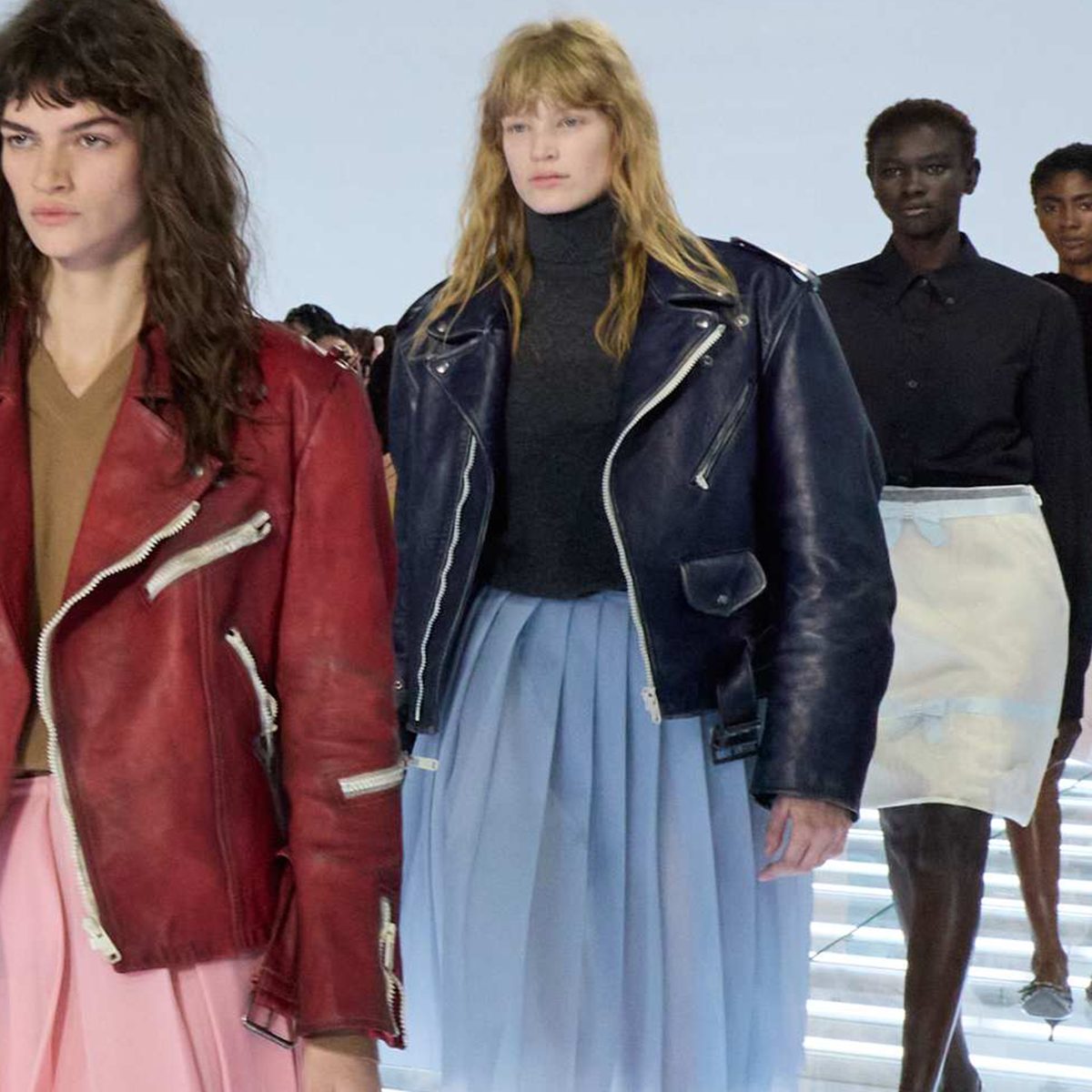
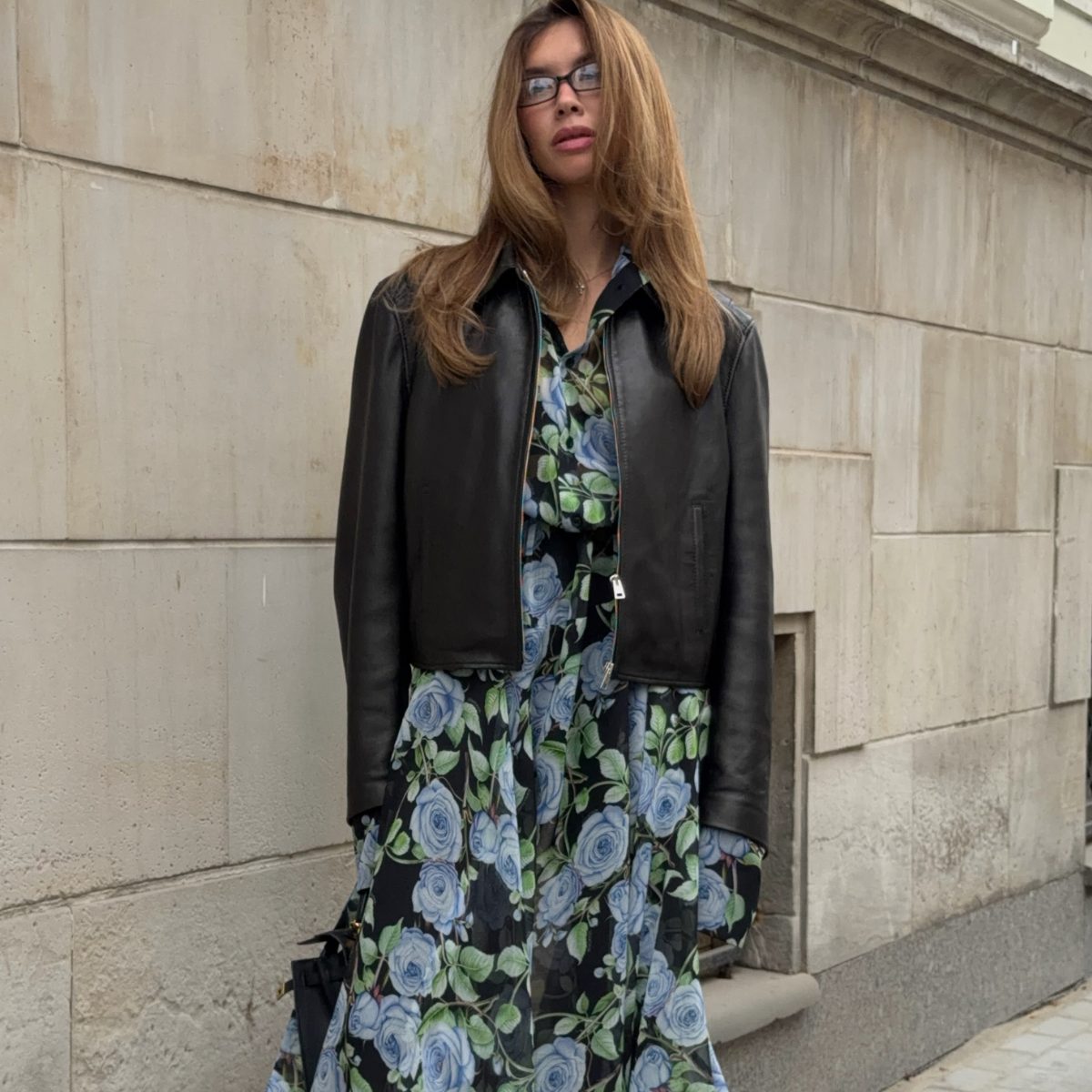
A take-back bin is a sorting contract with a shop counter attached. Someone is paid to collect the material, someone else grades it by weight, and the grade decides if your sweater is worn again, cut into wiping cloth or landfilled. The brand logo on the bin says nothing about which of those happens.
Brand collection schemes have run for over a decade, and the mechanics have barely changed. A retailer puts a container in stores, offers a voucher per bag, and hands the material to a textile merchant who sells it into the same international sorting trade that supplies thrift stores and export bales. In the best-run schemes the material is graded for resale and the higher grades are reworn. In the weakest, it is sold by weight and the destination is whatever the buyer does with it. Before you drop anything off, check the fiber label: US rules list each fiber at 5 percent or more by percentage, and single-fiber garments are the easiest to sort.
What the voucher is really buying
A voucher is a discount coupon with a story. The generous-looking version gives a percentage off with no minimum spend, which converts a shopper who was already in the store. The less generous version gives a few dollars off a minimum spend, expiring quickly. In both cases the retailer has acquired inventory it did not pay cash for, and paid for it with a margin it would have surrendered in a sale anyway.
Four collection routes and their likely destinations
| Route | Who sorts it | Most likely destination | What to ask |
|---|---|---|---|
| Retailer take-back bin | A commercial textile merchant | Graded for resale, then export, then downcycling | Who is the sorting partner, and what share is resold as clothing |
| Charity shop donation | The charity, then a merchant for the remainder | Sold on the shop floor, remainder sold by weight | What share of donations is sold in the shop rather than onward |
| Kerbside textile collection | A municipal or contracted operator | Sorting for reuse, with a growing share for fiber recovery | Whether the collected textiles are separated from other waste streams |
| Brand repair and resale | The brand itself | Repaired and resold as its own secondhand stock | Whether the item is sold, donated, or recycled when it cannot be repaired |
The schemes that do something different
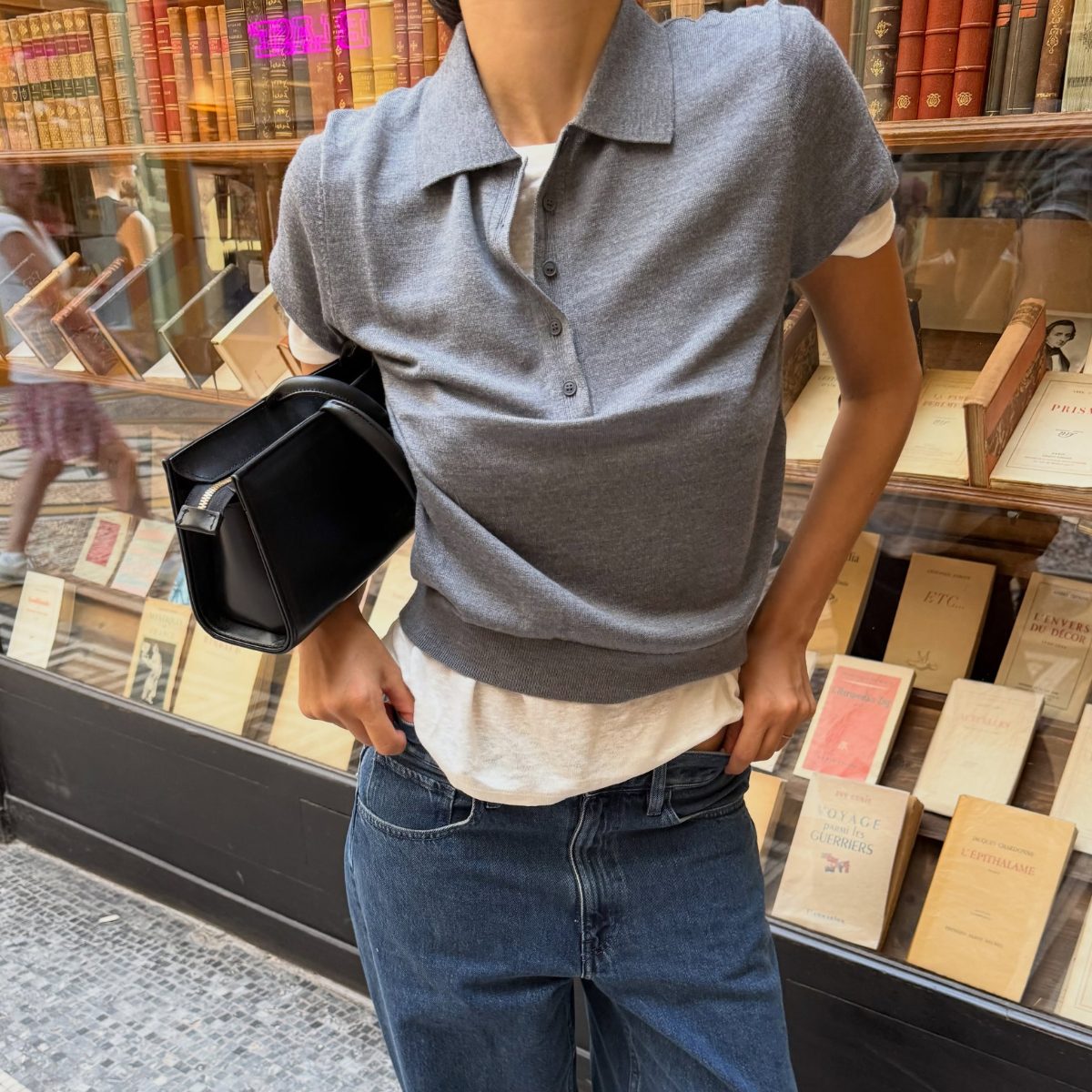
Three routes add value rather than moving it. Buy-back schemes that pay a credit and resell the item keep the garment as clothing and capture the resale margin, which is why specialist outdoor brands have run them for years. Repair programs keep the item with the original owner. And material-specific schemes, such as denim collected to be shredded into building insulation, are honest about being downcycling: the jeans will not be jeans again, and the scheme says so.
Footwear is downcycling, and the schemes say so
Footwear is its own category. Shoes taken back are usually ground for playground surfaces and sports flooring rather than resoled, because a used shoe cannot be refurbished at a cost anyone will pay. That is a real recovery route, and it is not circular in the sense the word implies.
Six pieces to buy before you hand anything back
Buying one of these keeps a garment in use, which outperforms every collection scheme on this page. Prices are shown only where we confirmed them on the brand or retailer page in Oct 2026.
 Best resale support
Patagonia
Better Sweater Fleece
Buying secondhand from a brand that also repairs means two of the three routes lead back to wearing it rather than to a bale.
Check sold prices
Levi's
Vintage 501 Jeans
Denim is the one fiber where take-back collection is well established, and the secondhand price reflects it. Check the crotch and the hems before buying.
Compare listings
The North Face
Denali Fleece, 1990s
A useful reminder that collection schemes feed a market in which the old version is worth more than the new. Condition and originality carry the premium.
Check sold prices
Uniqlo
Ultra Light Down Jacket
A high-volume piece with weak resale, which is exactly why it is a good buy secondhand. The value is in wearing it, not in selling it on.
Compare listings
Madewell
Denim Jacket
The brand runs a denim collection with a building materials partner. Good to know that the jeans you hand back may become insulation rather than jeans.
Compare listingsVintage
Wool overcoat, single fiber
Buying a coat like this is the outcome collection schemes are supposed to produce. Every purchase of it removes a garment from the sorting trade entirely.
Compare listingsThe rules are arriving, and they will change the arithmetic
Two pieces of legislation already shape collection. In the European Union, waste framework rules now require member states to collect textiles separately, which has pushed municipal collection into places that previously relied on charity collection. In the United States, California has passed a textile producer responsibility law requiring producers to organize and fund collection. France's long-running producer-funded system is the model both are copying.
Producer responsibility changes who pays for sorting rather than where the material goes, at least at the start. Once a fee is charged per item placed on the market, a light, monofibre garment becomes cheaper to put into circulation than a heavy blend, and that is the mechanism expected to move design. It will take a decade to know whether it does.