Here's my rule. Do your own roots, and pay a professional to change your color. Gray coverage, root touch-ups and refreshing faded ends are all jobs a box handles for a small slice of the salon price. Anything that lifts pigment, which means highlights or going lighter, is a different job with a far longer list of ways to go wrong.
It all comes back to the developer. Permanent color is a reaction between dye and hydrogen peroxide, and the strength of the peroxide decides the outcome. At 10 or 20 volume it deposits color and lifts your natural shade a level or two. At 30 or 40 volume it lifts several levels. That's what you need to go lighter, and it's also what roughs up the fiber. Going darker is mostly deposit with little lift, and that's the one job a home kit does nearly as well as a salon.
What each type of color can do
Three product categories, and what they can and cannot do
| Type | How it works | Can it lighten? | Gray coverage |
|---|---|---|---|
| Permanent | Dye plus peroxide, penetrating the cortex | Yes, one to three levels | Full, and the standard choice |
| Demi-permanent | Deposits color with a low-strength developer | Barely | Good on soft gray, patchy on resistant gray |
| Semi-permanent or direct dye | Coats the outside of the fiber, no developer | No | None, and it washes out in weeks |
| Bleach plus toner | Removes pigment, then neutralises the warmth left behind | Yes, several levels | Not applicable |
A year of gray roots, priced
One box usually covers a single full application on shoulder-length hair. Past that you need two, which is the most common surprise. For roots every four weeks you use about half a box a time, so a year of product is roughly six to twelve boxes. A salon root service every four weeks is twelve appointments plus toner and tip. Price both at your local drugstore and salon, and the gap is usually several hundred dollars.
Money is only half of it. A salon root appointment eats about two hours once you count processing, travel and the blow-dry. At home it's around forty minutes plus the waiting. On a four-week cycle, the time saved is often the bigger win.

Doing your roots properly
- 1
Work on unwashed, dry hair
Day-old hair takes color better, and the scalp's own oil gives a little protection from the developer. Comb it out, clip it into four sections and wear a shirt you don't love.
- 2
Apply to the regrowth only
Work along the partings in half-inch sections and stop about half an inch short of the old color. Laying permanent dye over dyed hair damages it a second time for nothing.
- 3
Time from the last section, not the first
If the box says 30 minutes, start the timer when you finish applying, not when you start. Twenty minutes of application means twenty extra minutes on the first sections, and that's how patchy roots happen.
- 4
Rinse cool, then condition
Rinse with cool water until it runs clear, then use the conditioner packet from the box. The cuticle is still lifted, and rough towel-drying now leaves hair brittle for weeks.

Blending gray instead of hiding it
Not everyone wants a flat, opaque block of color. A root spray, or a demi-permanent one shade lighter than your natural color, often looks better. You get a softer, more dimensional gray and less obvious regrowth. That can push the cycle from four weeks to six, and it avoids the hard stripe that shows when a flat color grows out.
- Go one shade lighter than you think — The classic home mistake is picking the shade you want to end up with. Color goes on darker than the swatch, and gray resists.
- Stay within two shades of natural for roots — Root touch-ups are a matching job, and matching is what a box does well. Changing your overall shade is when you pay someone.
- Do not dye over highlights at home — Highlighted hair is porous, so it drinks color faster than the hair around it and goes darker. One box over a balayage can leave stripes that only a colorist can fix.
- Wait before you wash, and use a gentle shampoo — An oxidative color takes time to settle, so wait at least 48 hours. A color-safe cleanser and a cooler final rinse keep the tone for longer.
Six things for a home root routine
Everything here deposits color or maintains it. None of it lifts your natural shade, which is exactly why it's safe at home. Prices are shown only where we confirmed them on the brand or retailer page in Oct 2026.
Best for grayClairol
Nice'n Easy Permanent Color
The most widely stocked permanent box in the US, with a good range of ash and neutral shades for gray. Two boxes if your hair is past your shoulders.
Check price
Garnier
Olia Permanent Hair Color
An oil-carried formula that spreads more evenly than a cream and is less pungent during development. Coverage on resistant gray is good rather than perfect.
Check price
L'Oreal Paris
Excellence Creme Trio
Formulated for hair that resists color, with a cream base that clings to the root rather than running down the section. The tone is slightly flatter than a salon result.
Check price
Schwarzkopf
Root Retoucher, temporary spray
Pigment in an aerosol that covers regrowth in seconds and washes out at the next shampoo. It will not survive a swim.
Check price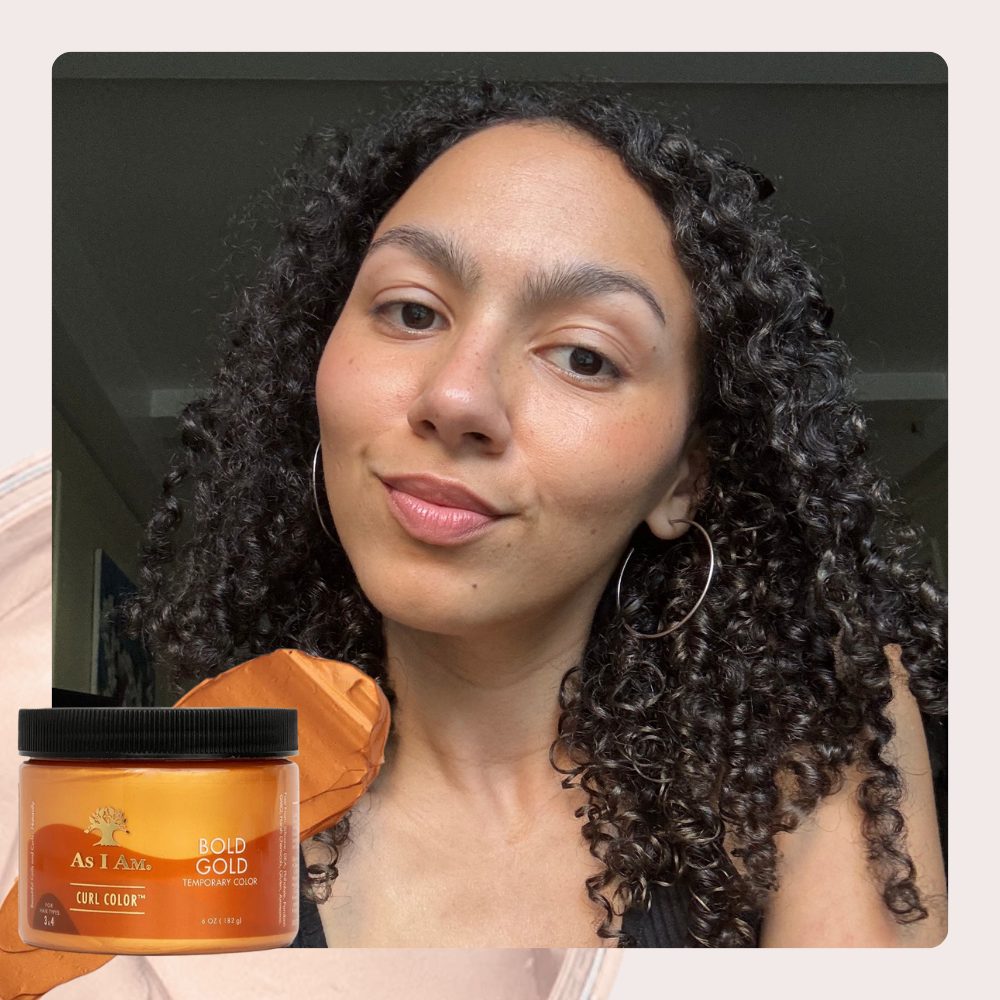
Olaplex
No.4P Blonde Enhancer Toning Shampoo
A violet-pigmented cleanser that keeps lightened hair from turning brassy between salon visits. Leave it three minutes, not ten, or the tone goes gray.
Check priceColortrak
Tint Brush and Bowl Set
The upgrade that improves a home result most: a proper brush puts product on the parting where you aim it. The box applicator is built for speed, not accuracy.
Check price