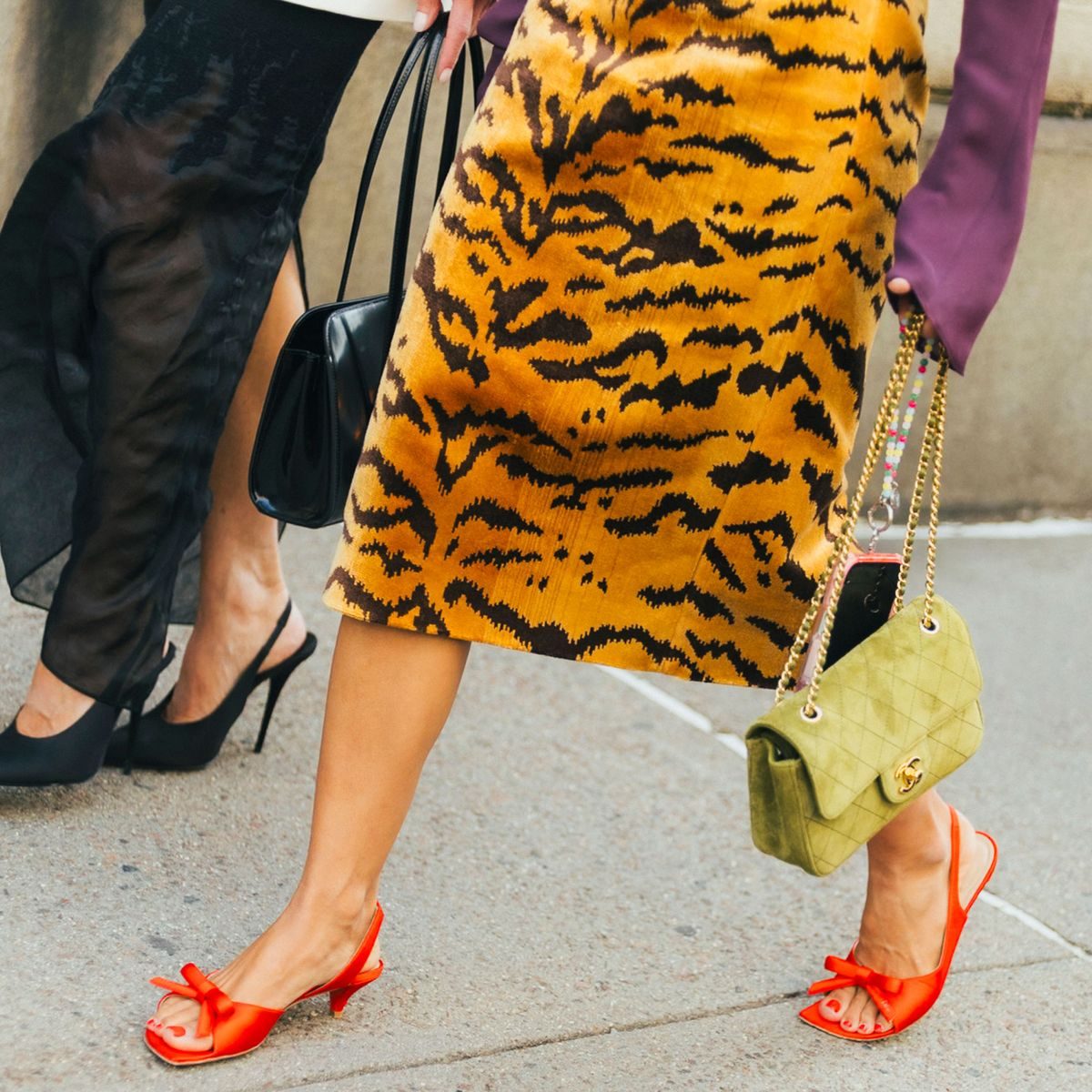
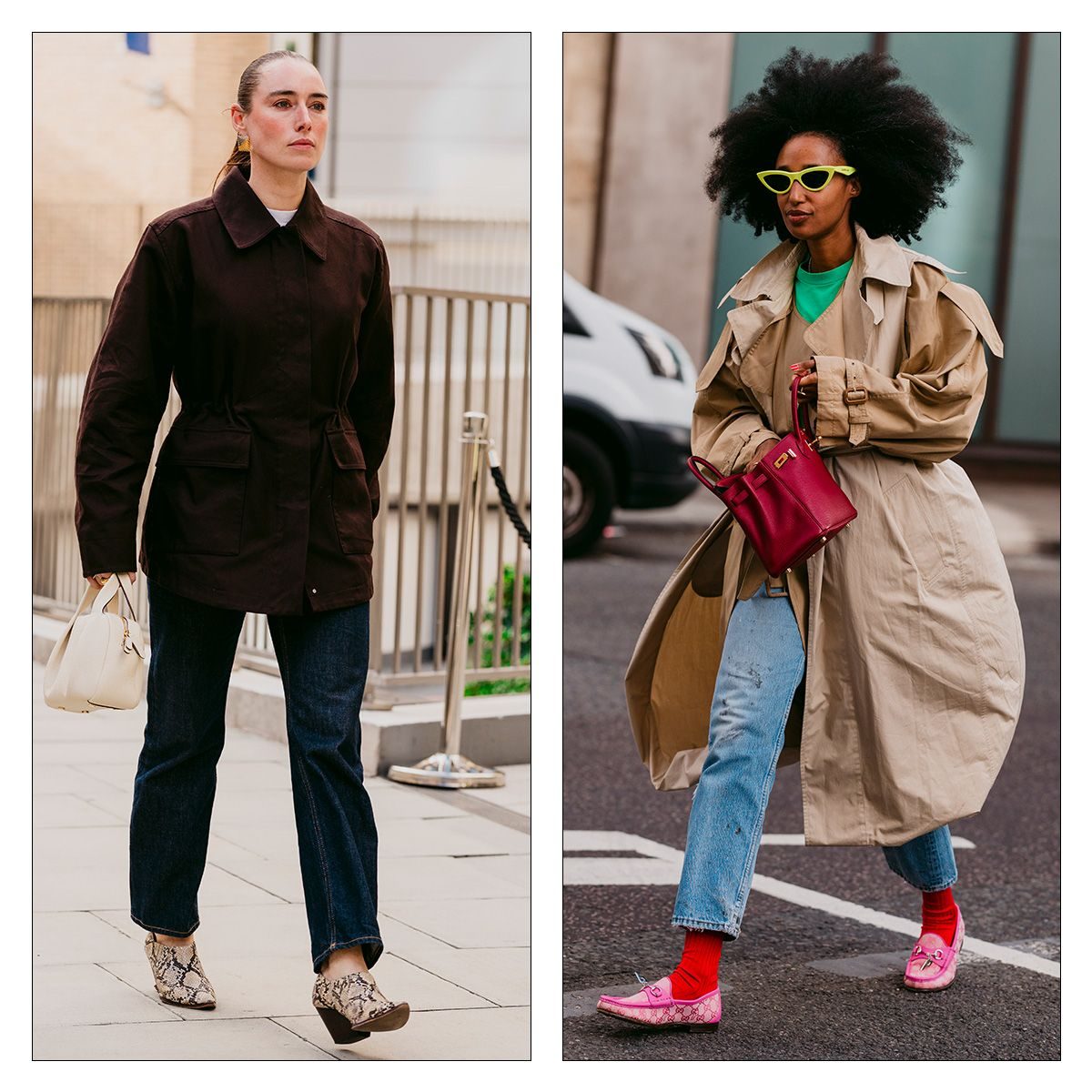
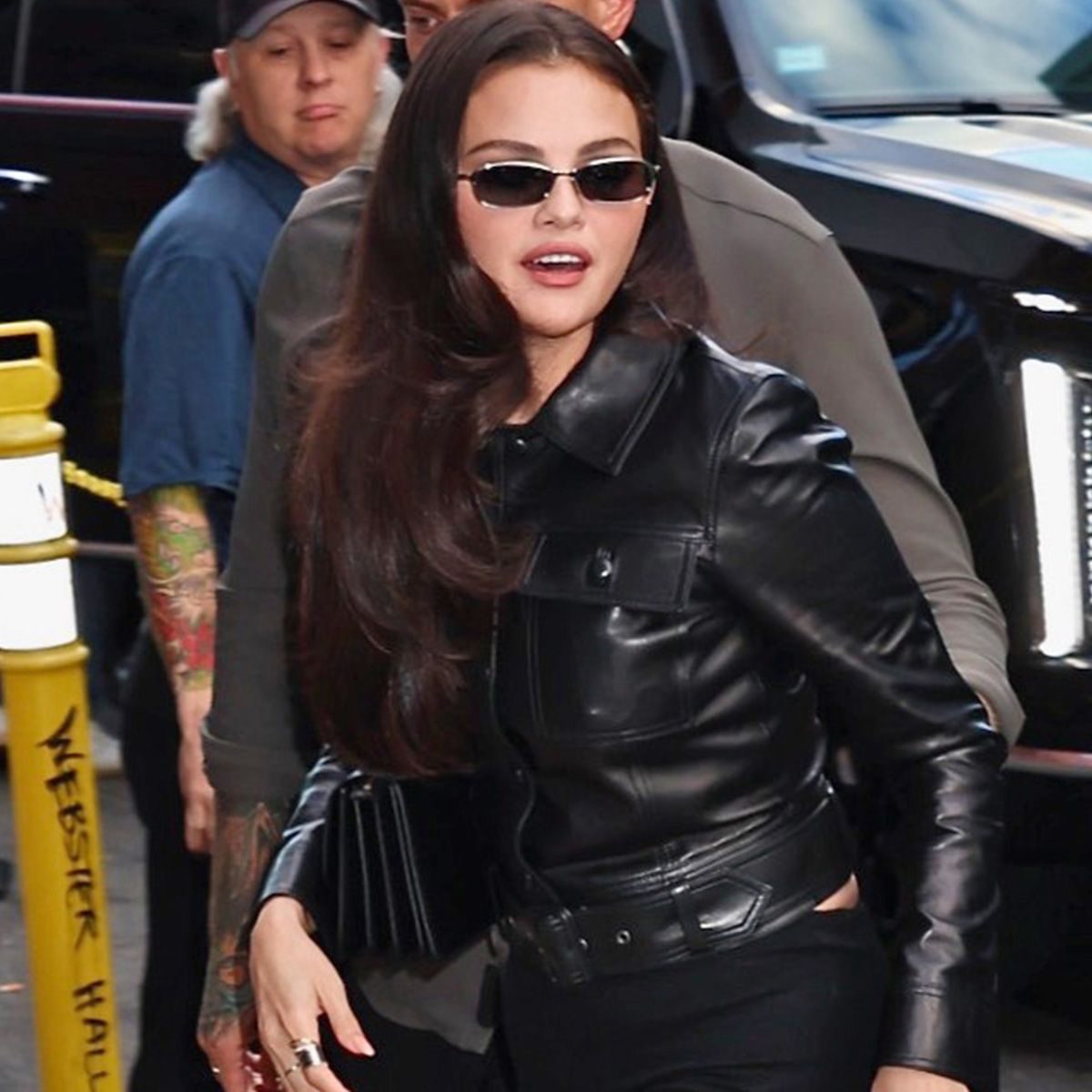
The pieces that show up on the same people over and over aren't the expensive ones. They're a short list of garments that fit the same way every time: a black leather biker, a bias-cut slip, a camel wool coat, a plain white shirt, vintage denim and a 1990s tweed jacket. All six have fairly steady secondhand markets, and a couple can still be found at good prices.
Repeat wear is a useful signal, because a garment worn again and again has shown it works on more than one occasion and holds up over the years. Most new-season pieces never face that test. It's a big part of why these six tend to keep resale value while trend pieces drop.
Why re-wearing is a value signal
When a garment keeps reappearing, buyers stop treating it as fashion and start treating it as equipment. Equipment is priced on condition and sizing more than trend, which makes it easier to plan around. The black biker is the clearest case. Schott has made its 618 Perfecto for decades, and new it lists at $1,020 and up (schottnyc.com, Oct 2026), which props up what good used examples go for.
The reverse holds too. Fast-fashion pieces pushed at scale usually lose most of their value quickly, however good they look in the photo.

The six pieces and what they sell for
The figures below are my rough estimates of typical prices, not records of actual sales; check completed listings before you pay. Where a range is wide, the difference is usually condition and hardware: an original zip and an intact lining push a jacket toward the top.
Repeat-worn pieces, rough ranges (estimates, Oct 2026)
| Piece | Typical used (est.) | Typical resale (est.) | Holds value? |
|---|---|---|---|
| Black leather biker jacket | $120–400 | $150–450 | Usually, yes |
| Bias-cut slip dress, 1990s | $40–160 | $45–180 | Usually, steady demand |
| Camel wool coat | $90–260 | $100–280 | Seasonal |
| Plain white cotton shirt | $15–60 | $20–70 | No, but it never loses money |
| Vintage Levi's 501, 1990s | $40–120 | $55–160 | Often, yes |
| Chanel tweed jacket, 1990s | $1,400–3,800 | $1,500–4,200 | Yes, provenance-led |
The two that are currently underpriced
Camel coats and 1990s Levi's can both still be found at fair prices. Coats often show up in volume after winter, so off-season shopping can pay. 1990s denim is a finite supply: Levi Strauss & Co. dates the blue jean to its 1873 rivet patent, and has stitched the Red Tab on the 501's back pocket since 1936. Every year fewer pairs from any given decade survive in wearable shape.
The tweed jacket is the opposite case. It's expensive, and it's the one piece here where the label does a lot of the work. Without the interior chain hem and a verifiable season, you're buying an expensive jacket, not a collectible one.

Where these pieces actually trade
Different pieces live on different platforms. Getting this wrong is the difference between paying the middle of a range and paying the top of it, because each site has its own pricing culture.
Buying the repeat-wear pieces
For the leather and the tweed, insist on photographs of the interior before you commit. Prices are shown only where we confirmed them on the brand or retailer page in Oct 2026.
Best hold valueSchott or similar
Black leather biker, 1980s–90s
Ask for the zip pull and the lining in photographs.
Search listings
Vintage silk
Bias-cut slip dress, 1990s
Depop has the deepest supply and the widest price spread.
Search listings
Any wool mill
Camel wool coat
Camel shows marks more than any other neutral, so check the cuffs and the collar first.
Search listings
Levi's
Vintage 501, 1990s USA-made
A legible inner tag helps buyers date a pair, and dated pairs tend to sell for more. Keep the tag intact.
Search listings
Chanel
Tweed jacket, 1990s
Buy only with a documented season and the chain still stitched into the hem. Without both, much of the premium disappears.
Search listingsVintage cotton
White cotton shirt, oversized
The cheapest useful piece in this list. Buy two, and accept that a shirt at this price is a wear item rather than an investment.
Search listingsHow to keep the value you bought
- 1
Repair before you store, not after
A loose seam becomes a split seam fast. Mending it while you own the piece is cheap; selling it unrepaired costs you far more off the price.
- 2
Keep the tags and the dust bag
On the tweed jacket especially, the label is part of the provenance. Cut it out for comfort and you cut the value.
- 3
Rotate with moth paper, not cedar alone
Cedar may help deter moths, but it doesn't kill them. Wool stored for months needs a clean garment, a breathable bag and regular checks.
- 4
Photograph the piece when it is clean
If you ever sell, an honest photograph taken before the garment shows wear will hold its price better than a listing made in a hurry.