The vintage you see on a red carpet usually doesn't come off a shop rail. It tends to come through specialist dealers, house archives and rental services that lend pieces and keep careful records. Four of their habits carry straight over to a normal budget: the want-list, the measurements sheet, a relationship with one good seller, and a tailor you trust.
Understanding the pipeline also changes how you shop. A stylist never starts by browsing; they start by knowing exactly what they want and who might have it. That is the opposite of how most people buy secondhand.
How the pipeline is actually structured
Think of it as tiers. Specialist dealers hold deep stock and know it by season and year. Rental services hold pieces for hire. House archives, run by the brands, hold what a label will usually lend only for its own publicity.
- Vintage dealers — Independent businesses with deep, well-catalogued stock, the kind of specialist vintage dealer stylists know by name. Many both lend and sell.
- Rental libraries — Services that keep a large, mixed inventory available by the day, and the fastest route to a look for a shoot.
- House archives — A brand lending from its own history. The route is open only when the look is the house's own, and the piece is returned unaltered.
- Private collectors — The least predictable tier. A collector holding a single important dress can make a look possible that no archive could.

Four habits worth copying
None of this requires a carpet budget. The habits below are what actually produce a good wardrobe in the trade, and they cost nothing to adopt outside it.
- 1
Keep a want-list, not a wishlist
A stylist keeps a specific list: a 1990s black biker in a set size with a metal zip, not "a leather jacket." Being specific is what makes a saved search useful. Write down the fiber, the measurement, the color and the one detail that matters, then wait.
- 2
Carry your own measurements
Stylists work from measurements, not label sizes, because vintage sizing varies a lot between houses and decades. Measure your bust, waist, hip, shoulder and inseam once and keep the numbers in your phone.
- 3
Build one relationship with one dealer or seller
The trade runs on relationships. A dealer who knows your size and your taste will message you before a piece is listed. In ordinary terms that means following two or three good resale sellers and buying repeatedly rather than browsing the entire market every week.
- 4
Keep a tailor on retainer
A stylist assumes most garments will be altered. Get a quote from your tailor and treat it as part of the price. It's the cheapest way to make ordinary secondhand clothes look intentional.
What the trade pays, and what you should pay
Dealers often discount when you buy several pieces at once, and that's a lever ordinary buyers have too. Ask what they'd do on a bundle before you ask for a discount on one item.
The sourcing routes, roughly (estimates)
| Route | Typical cost (est.) | What you get | Copyable on a budget? |
|---|---|---|---|
| Vintage dealer, single piece | $150–600 | Catalogued stock, known condition, provenance | Yes, buy from one seller repeatedly |
| Vintage dealer, wholesale | A bundle discount, if you ask | Multi-piece buys, less choice | Yes, negotiate on three pieces or more |
| Rental library | A daily or event fee | A look for an event, no ownership | Yes, for a single occasion |
| House archive loan | No fee, insurance only | A documented piece from the label itself | No, reserved for brand publicity |
| Auction house | Hammer price plus buyer's premium | Rare pieces, sold as seen | Sometimes, read the condition report |
Shopping the way a stylist does
The search routes below produce results for a specific brief: a defined category, a condition requirement and a price ceiling set before the search starts. Set them as saved searches.
Where a stylist would look first
Everything here is searchable by fiber and measurement. None of it requires a trade account, and all of it is stock you can buy rather than borrow. Prices are shown only where we confirmed them on the brand or retailer page in Oct 2026.
Best base layerVintage tailoring
Wool blazer with a canvassed front
Squeeze the lapel. If you can feel a separate layer moving inside, the jacket is properly made and worth altering. Fused fronts cannot be tailored.
Search listings
1980s–90s
Evening dress with original beading
Beadwork is hard to repair invisibly. Look closely for missing beads in the photos, and ask the seller directly before you buy.
Search listings
Vintage leather
Structured leather bag, unbranded
Unbranded leather is where stylists find value, because no logo means no premium. Check the strap attachment points, which fail first.
Search listings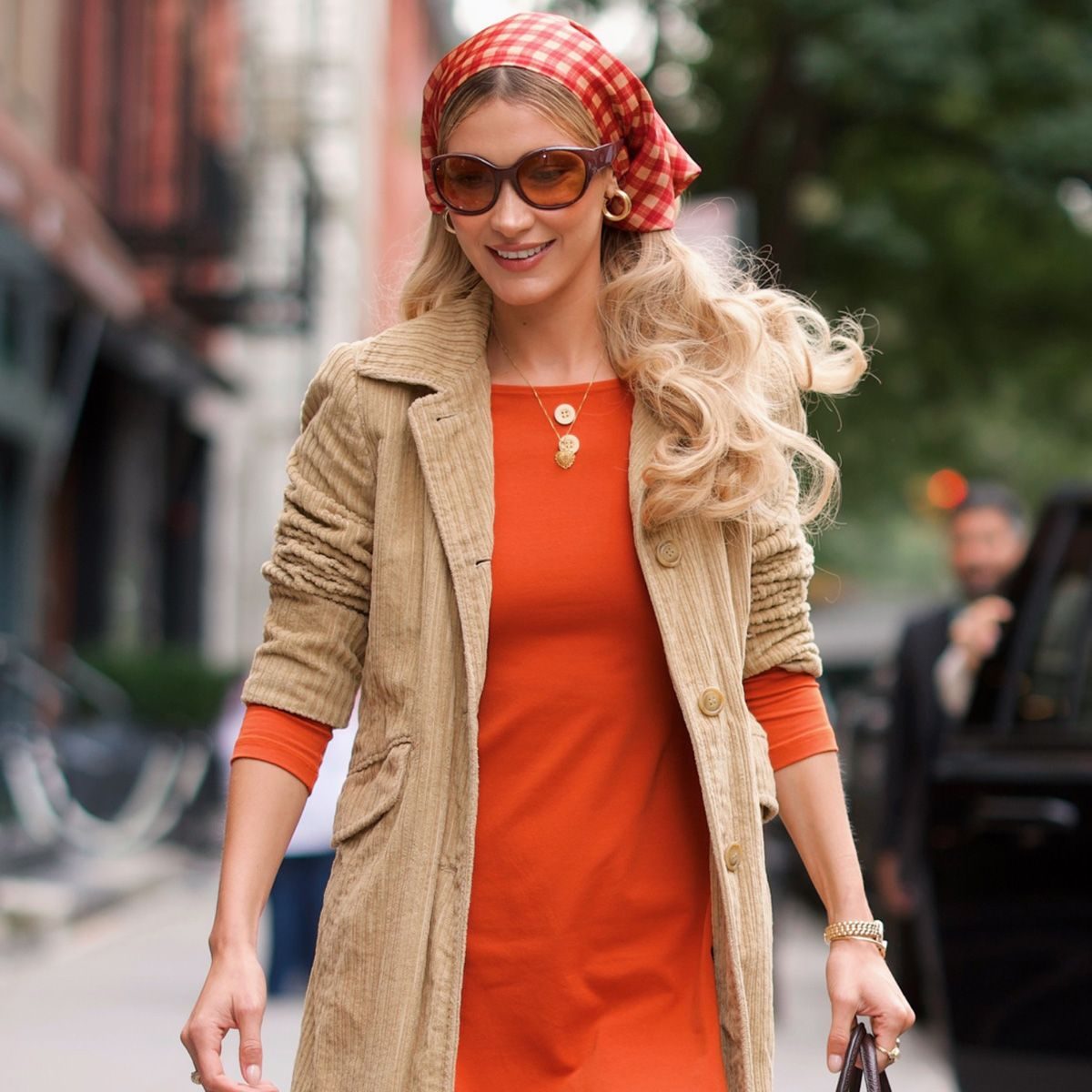
Vintage silk
Printed silk scarf, large format
The cheapest way to add a color story to a neutral wardrobe. Hand-rolled edges indicate a better scarf and hold their price.
Search listings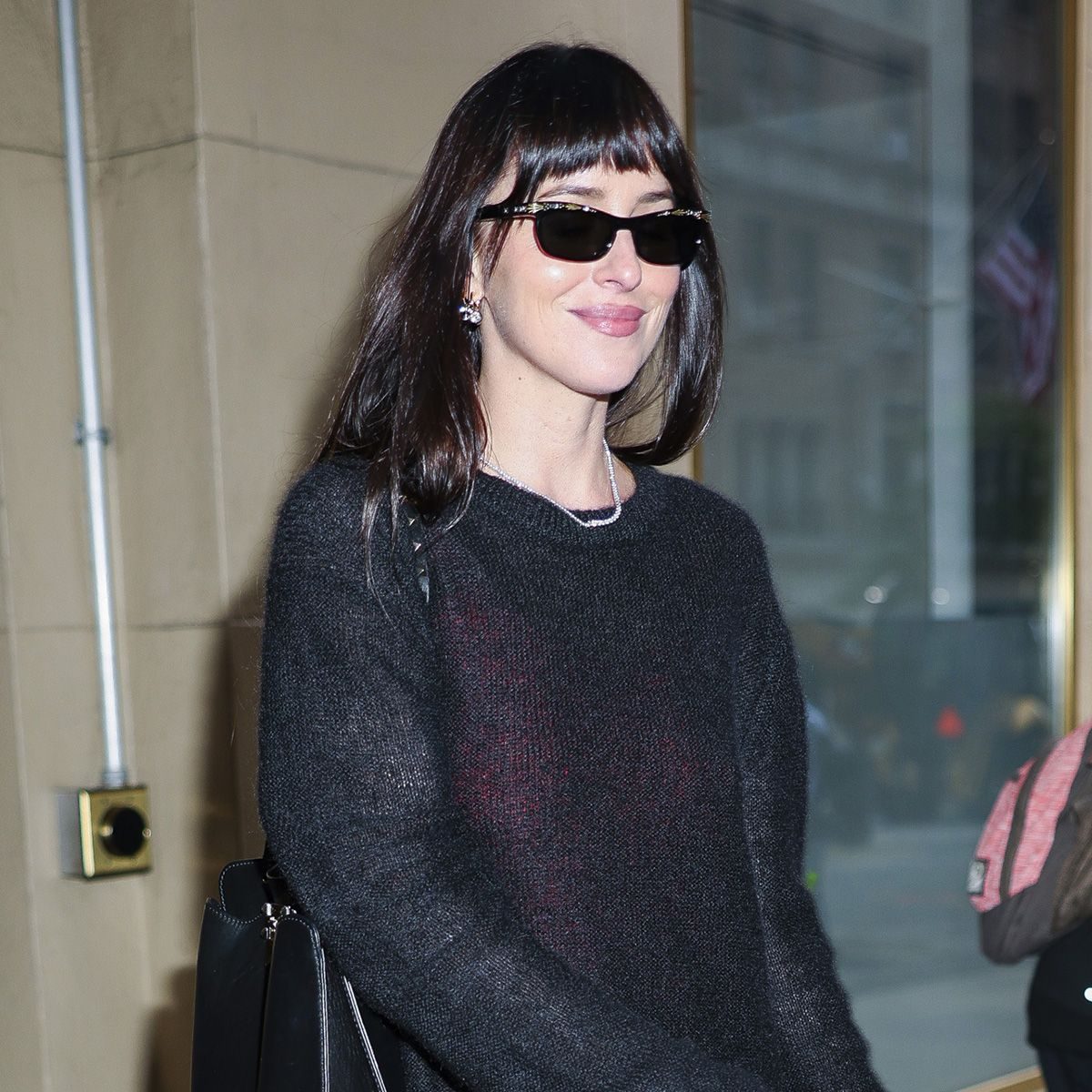
1990s
Tailored trouser, high rise
High-rise wool trousers are often an affordable way into vintage tailoring, and they tend to photograph well.
Search listingsWhat does not transfer
Two things about the trade are not worth imitating. First, the speed: a stylist works to a date and will overpay to hit it, which is the wrong instinct when you are building a wardrobe for a decade. Second, the reset: carpets are one-night events and the looks are returned the next morning.