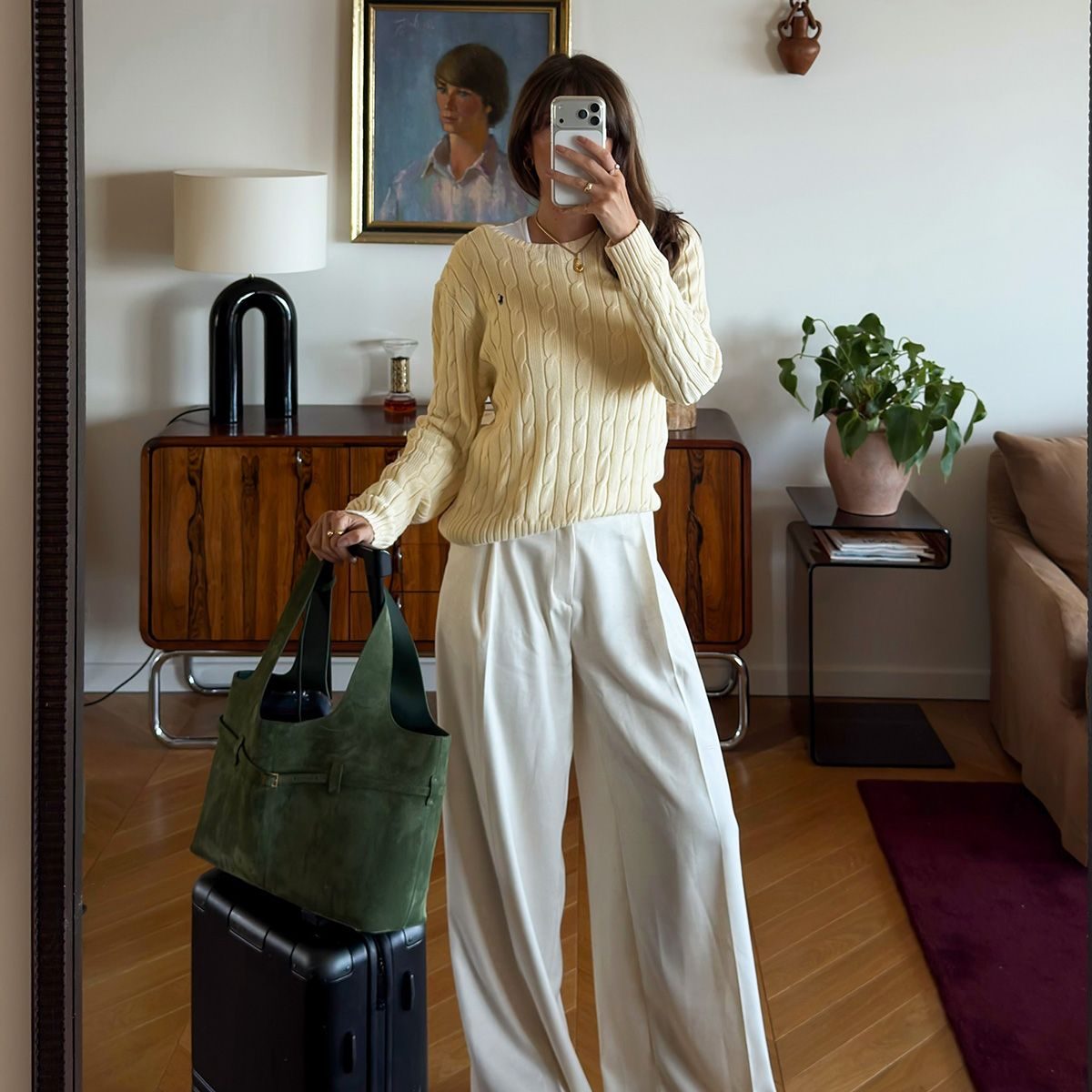
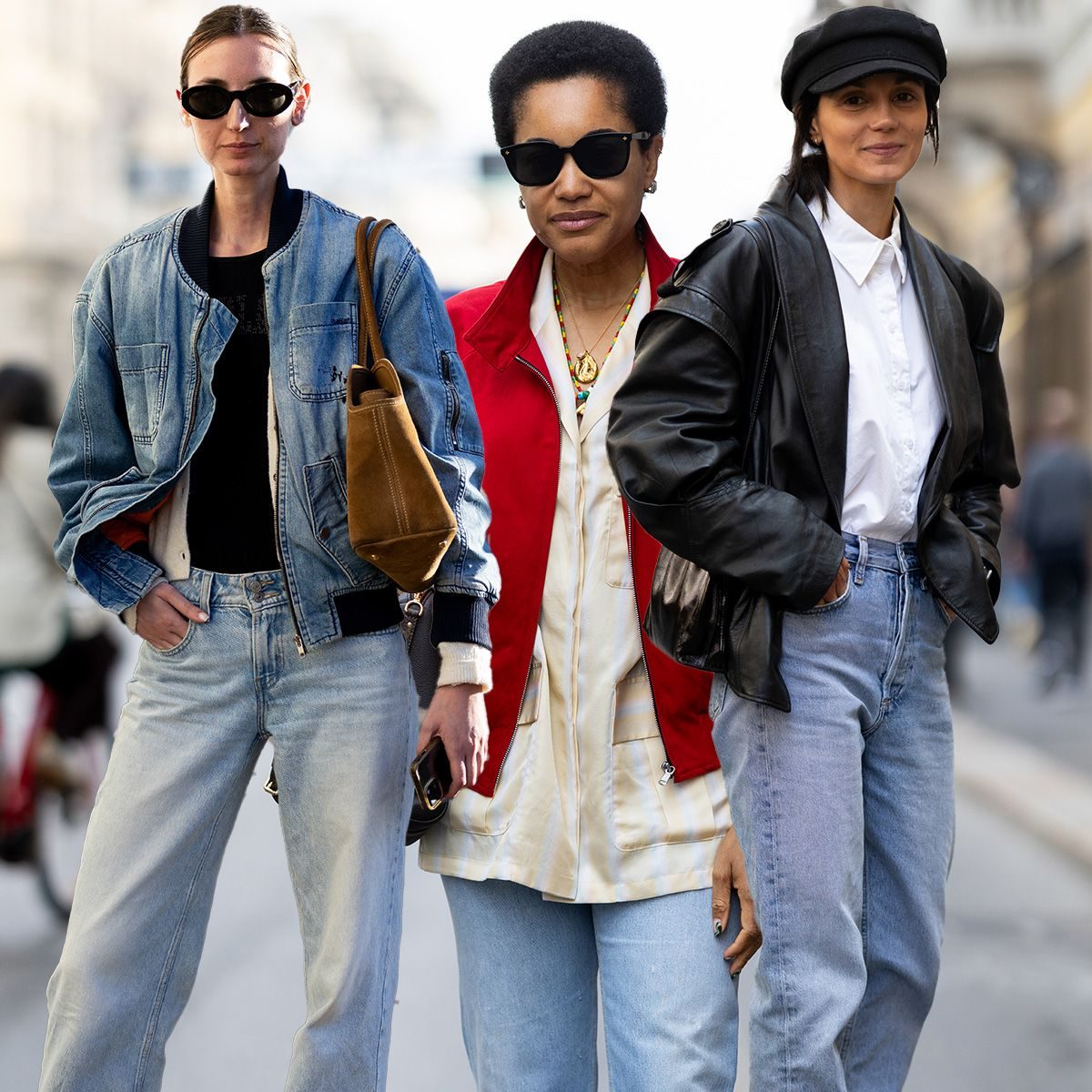
Parisians do not dress by decade. They dress by weight, color and proportion, and take whichever year happens to supply the piece. That is why one outfit routinely spans four decades without looking like fancy dress, and why the same method collapses the moment you try to match.
We shot on a cool, wet Saturday in June around the eleventh arrondissement and the Canal Saint-Martin, mostly between eleven and three. The outfits worth stopping for were not the most expensive. They were the ones where a 1970s jacket, a 1990s dress and 1980s jewelry had been combined so casually that the decades stopped being legible at all.
Mix by weight, never by year
The single rule that explains every good outfit we photographed is that the eras are combined by fabric weight, not by period. A heavy suede jacket over a fine slip dress works for the same reason a wool coat over silk works: one dense layer, one fluid layer, and a visible contrast between them. When the weights are similar, the clothes look dated instead of mixed.
- One heavy piece, one light piece — Suede over silk, tweed over jersey, leather over cotton. The contrast does the work, and it also happens to be the combination that keeps you comfortable in a Paris June.
- Color from one decade only — The people who looked best pulled all their color from a single era, usually the oldest piece, and kept the rest neutral. Two bright decades at once is what makes mixing read as a costume.
- Modern shoes, always — A contemporary shoe or a plainly modern bag anchors the outfit in the present. Vintage footwear is where most mixed-era looks fail, because worn shoes age a whole outfit at once.
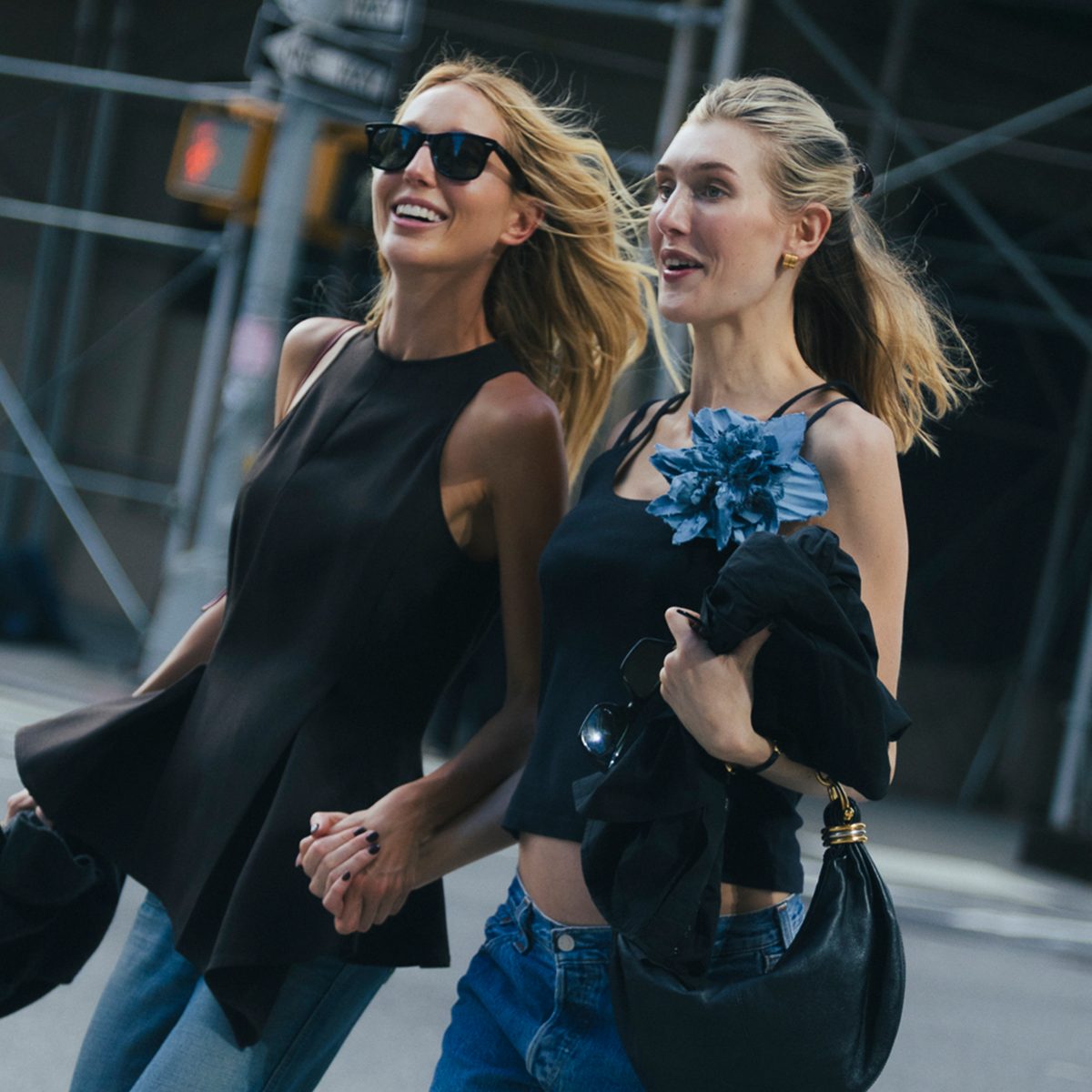
Which decade to buy from, and why
Each era has one thing it does better than any other, and Parisian vintage buyers shop by strength rather than by taste. A 1970s jacket is cut for layering. A 1990s dress is cut with almost no structure. The 1980s supply the jewelry, because the costume pieces of that decade are still available and still cheap. Buying the strength of each era is what makes a four-decade outfit look intentional.
What each decade is good for, and roughly what it costs (estimates)
| Decade | Buy it for | Typical used (est.) | New equivalent (est.) |
|---|---|---|---|
| 1970s | Suede and shearling jackets | $70–120 | $600 |
| 1980s | Gilt jewelry and belts | $15–40 | $120 |
| 1990s | Slip dresses and fine knits | $30–55 | $150 |
| 2000s | Leather bags and denim | $25–60 | $180 |
People think mixing decades means wearing a lot of vintage. It means wearing one piece of vintage properly and letting everything else be quiet.
That quote describes the difference between a look and a collection. Wearing four vintage pieces at once reads as a stall. Wearing one, with three contemporary pieces chosen to support it, is what the outfits in the eleventh actually did, and it is why they photographed well on a wet pavement rather than looking like a shop window.
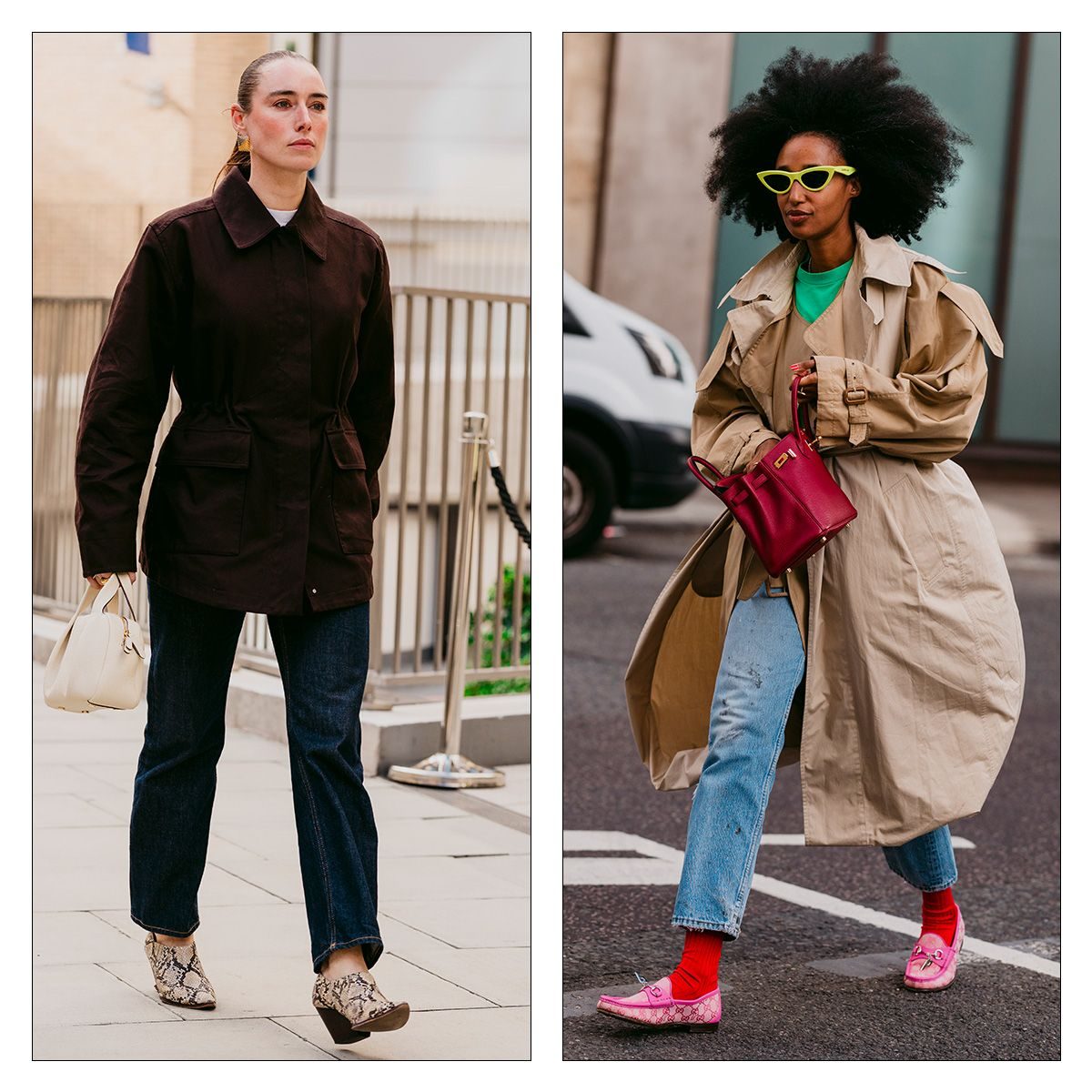
The pieces that carry the mix
These are the pieces we saw doing the work in Paris, with the prices they trade at. Any one of them is enough to anchor a mixed-era outfit, and none of them needs to be matched to anything else you own.
Shop the Paris mix
One strong era per outfit, three quiet pieces around it. That is the whole formula, and these are the pieces to build it on. Prices are shown only where we confirmed them on the brand or retailer page in Oct 2026.
Anchors the outfit1970s
Suede blouson jacket
The piece we saw most often in Paris, and the one that survives rain best if it has been treated. Check the underarms for stiffening and the collar for darkening, both of which mean the jacket has been worn hard.
Search listings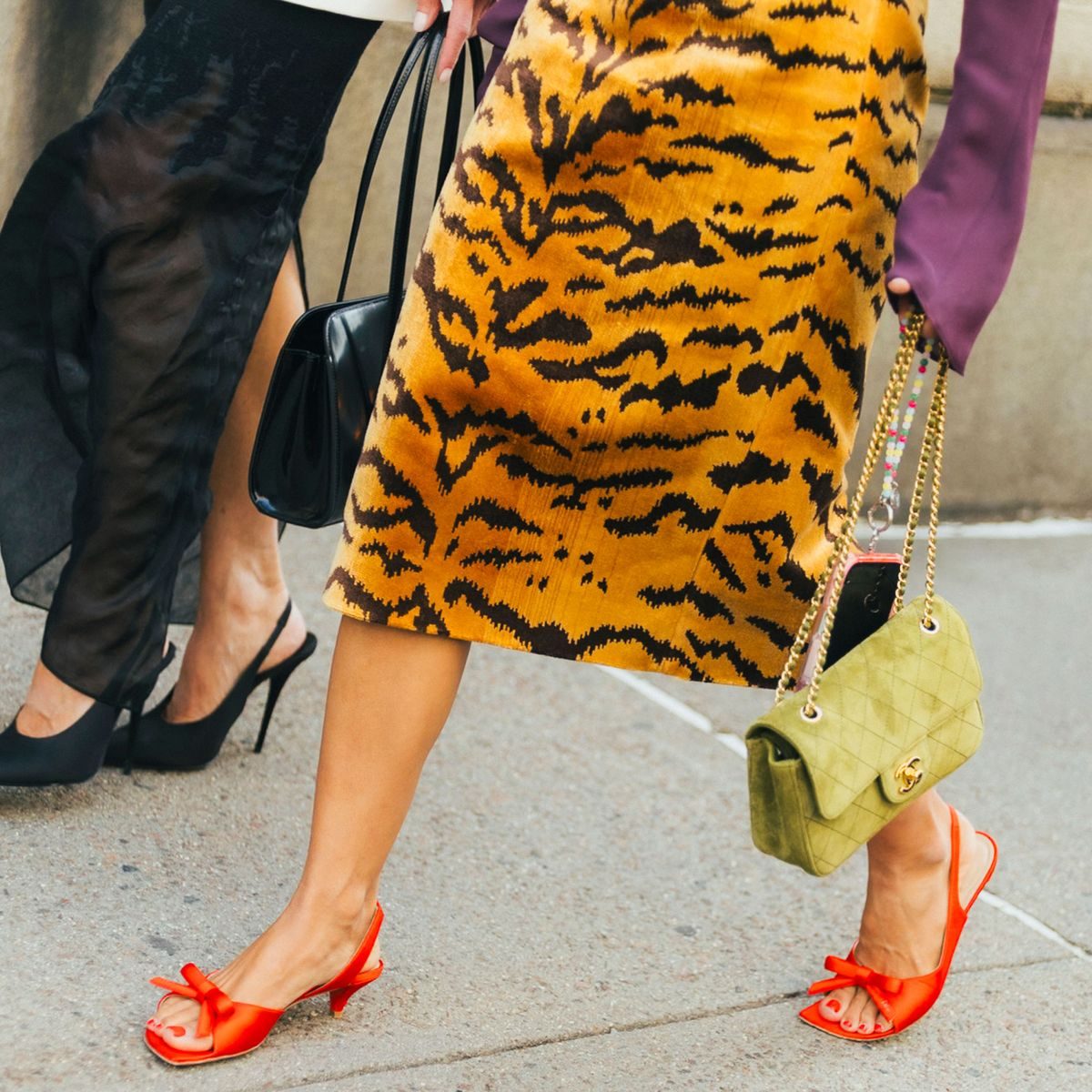
1990s
Bias-cut slip dress
The lightweight half of the formula, and the reason the whole look works. Bias-cut silk or satin moves under a heavy jacket, which is the contrast that reads as intentional rather than accidental.
Search listings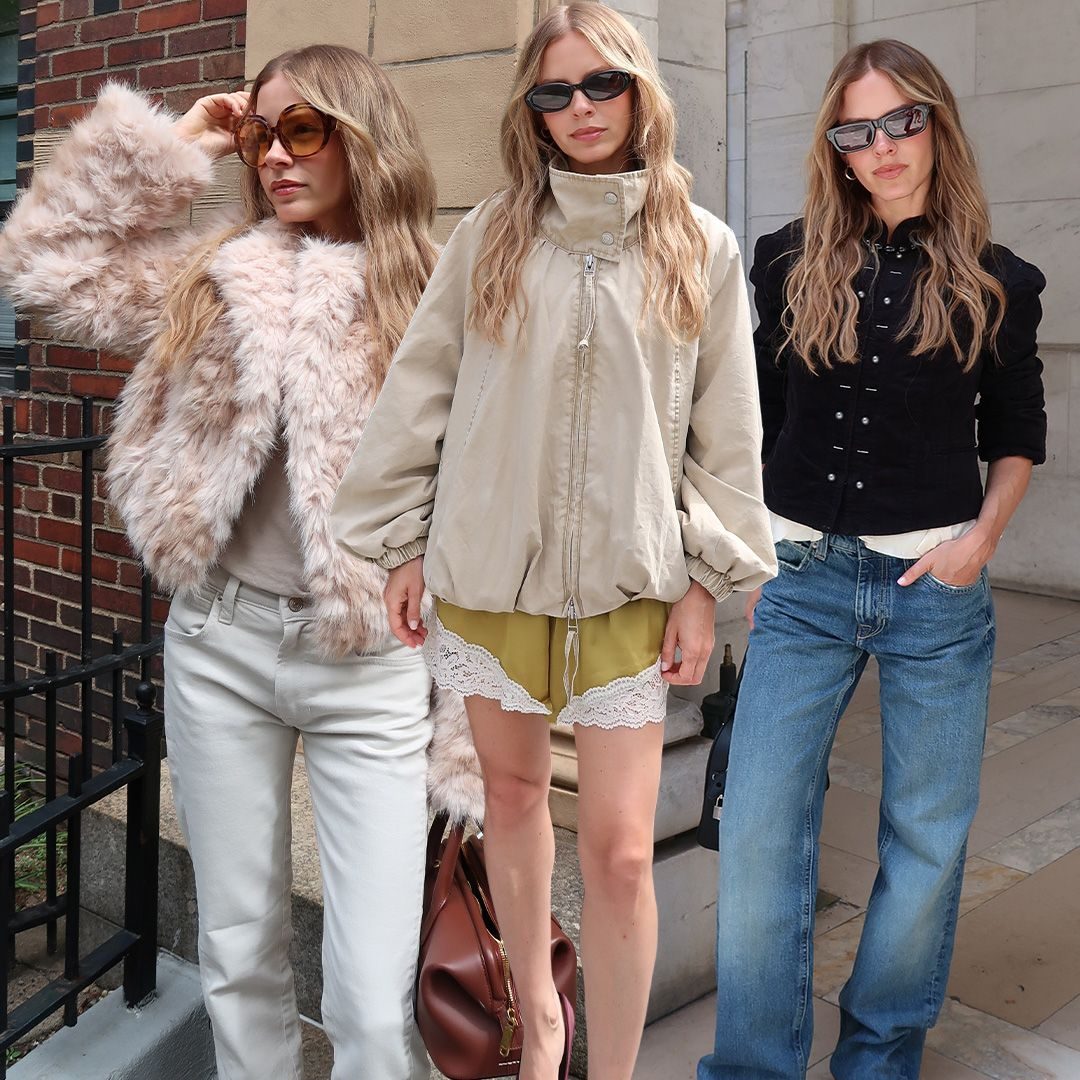
1980s
Gilt clip-on earrings
Where all the color in the outfit should come from. Look for signed or plated pieces rather than painted plastic, and check that the clips still hold, because a failed clip cannot be repaired cheaply.
Search listings
2000s
Small structured leather bag
The modern anchor that stops the outfit floating somewhere in the past. Choose plain leather with no visible logo and it will work with every decade you own.
Search listings
1970s
Wide leather belt
Worn over the slip dress to break the line of the jacket and give an otherwise fluid outfit a single hard edge. Buy a belt with a solid buckle; weak hardware is the giveaway on cheap vintage.
Search listingsWhere the mix goes wrong
The failure mode is almost always too much of a good thing. Three vintage eras at once, each with its own color story, turns a person into an exhibition. The outfits we photographed in Paris were conservative in everything except one piece, and that restraint is what made the vintage read as personal rather than bought.
- Outer layer
- 1970s suede blouson, oversized, about $85 used (est.)
- Base layer
- 1990s bias-cut slip dress, about $40 used (est.)
- Jewelry
- 1980s gilt clip earrings, about $22 used (est.)
- Bag and shoes
- Contemporary, plain leather, about $140 combined (est.)
- Total outfit
- About $287, of which about $147 secondhand (est.)
A four-decade outfit, at a glance