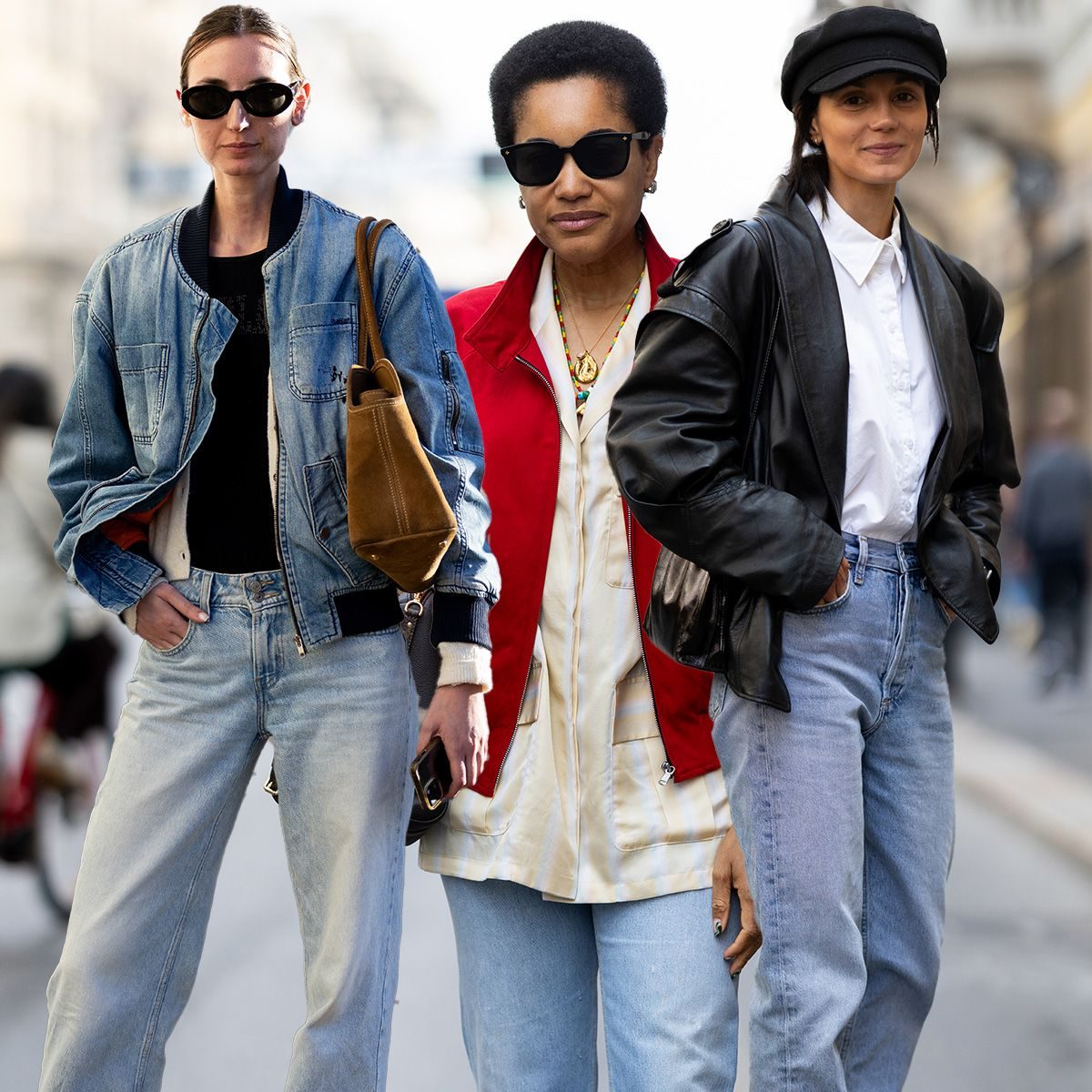
The most useful thing you can learn about a secondhand wardrobe is which pieces you would wear on purpose, twenty times. Six readers agreed to find out the hard way: ten garments, thirty days, no swaps. We photographed each of them on day one and again on day thirty.
The brief was strict. Ten garments for all weather, including shoes and one outer layer, all bought secondhand unless already owned for more than two years. Underwear, socks and one bag were exempt. Every participant kept a daily log recording what they wore, the temperature, and whether they would choose the outfit again. Four of the six finished with a written list of pieces they planned to sell.
The day-thirty photographs look better than the day-one ones
This surprised everyone involved. On day one the outfits looked stiff: the garments were still behaving like separate purchases, each one competing. By day thirty the same ten pieces had settled into combinations that read as personal style. Nothing new had been added, and nothing had been altered. The clothes simply had enough repetitions behind them to stop being a costume.
- Repetition makes the outfit legible — Over a month, people tend to stop combining pieces and start wearing uniforms. A couple of shirts, one jacket and one pair of trousers can end up doing most of the work.
- The failures were the statement pieces — Bold prints and unusual cuts were worn twice at most. Every participant reported reaching past them for the plain version, which is a very expensive way to learn a taste preference.
- Shoes decided everything — Where a participant had only one pair, the outfit range collapsed. Shoes were the single most repeated item and the one nobody wanted to be without.
What the log actually recorded
The pattern in a month like this is usually lopsided, and the lopsidedness is the lesson. A few pieces take almost all the wear, while a good chunk of the ten barely gets worn.
How wear typically spreads across ten garments (illustrative)
| Garment | Example wears in 30 days | Would buy again |
|---|---|---|
| Straight-leg denim | 24 | Yes, six of six |
| Plain cotton shirt | 19 | Yes, five of six |
| Wool blazer | 17 | Yes, four of six |
| Light knit | 16 | Yes, four of six |
| Leather boots | 15 | Yes, three of six |
| Printed dress | 4 | No, five of six |
| Statement coat | 3 | No, four of six |
| Novelty knit | 2 | No, six of six |
I thought I had a wardrobe. I had about eight things I actually wear and a lot of decisions I was making every morning.
That is the finding in one sentence, and it is not really about minimalism. It is about the cost of choice. The participants who had the easiest month were not the ones with the best pieces; they were the ones whose ten pieces had the fewest possible conflicts, so almost any three of them could be worn together without thinking.

Secondhand buying changes when you shop for repetition
Every participant said the month changed how they would buy in future, and the change was the same in all six cases. They stopped evaluating a piece on how it looked on the hanger and started asking how many of their existing garments it would combine with. That test is brutal, and it eliminates most of what a thrift store offers.
The pieces that survived the month
Buy these when you find them cheap, because the month proved they get worn. Prices are shown only where we confirmed them on the brand or retailer page in Oct 2026.
Most wornLevi's (vintage)
Straight-leg denim
The kind of piece that tends to get worn most. Buy rigid denim rather than stretch; it holds its shape better between washes. Levi Strauss & Co. traces the blue jean to an 1873 rivet patent, and the design has barely needed changing since.
Search listings
Unbranded
Plain cotton shirt
Worn nineteen times and combined with everything. Look for a shirt with no logo and a collar that holds a press; the second detail is what separates an outfit from a shirt.
Search listings
1980s–90s
Single-breasted wool blazer
The only structured piece that earned its place, because it could be worn over all three base layers. Two participants wore theirs to a wedding and to a supermarket in the same week.
Search listings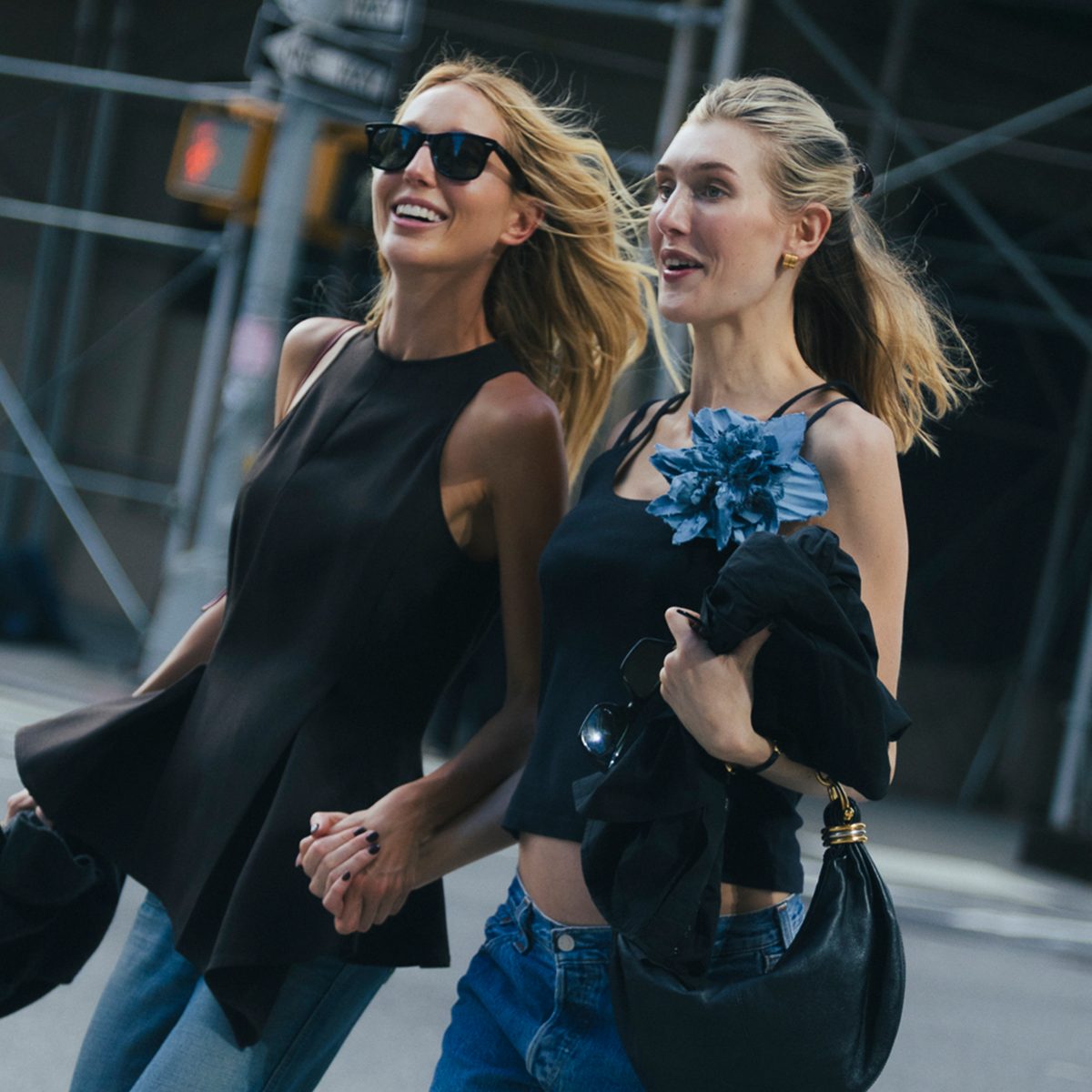
Any maker
Light merino knit
Sixteen wears and no visible pilling, though one participant's acrylic version pilled within ten days. Check the fiber label and hold out for wool rather than a blend.
Search listings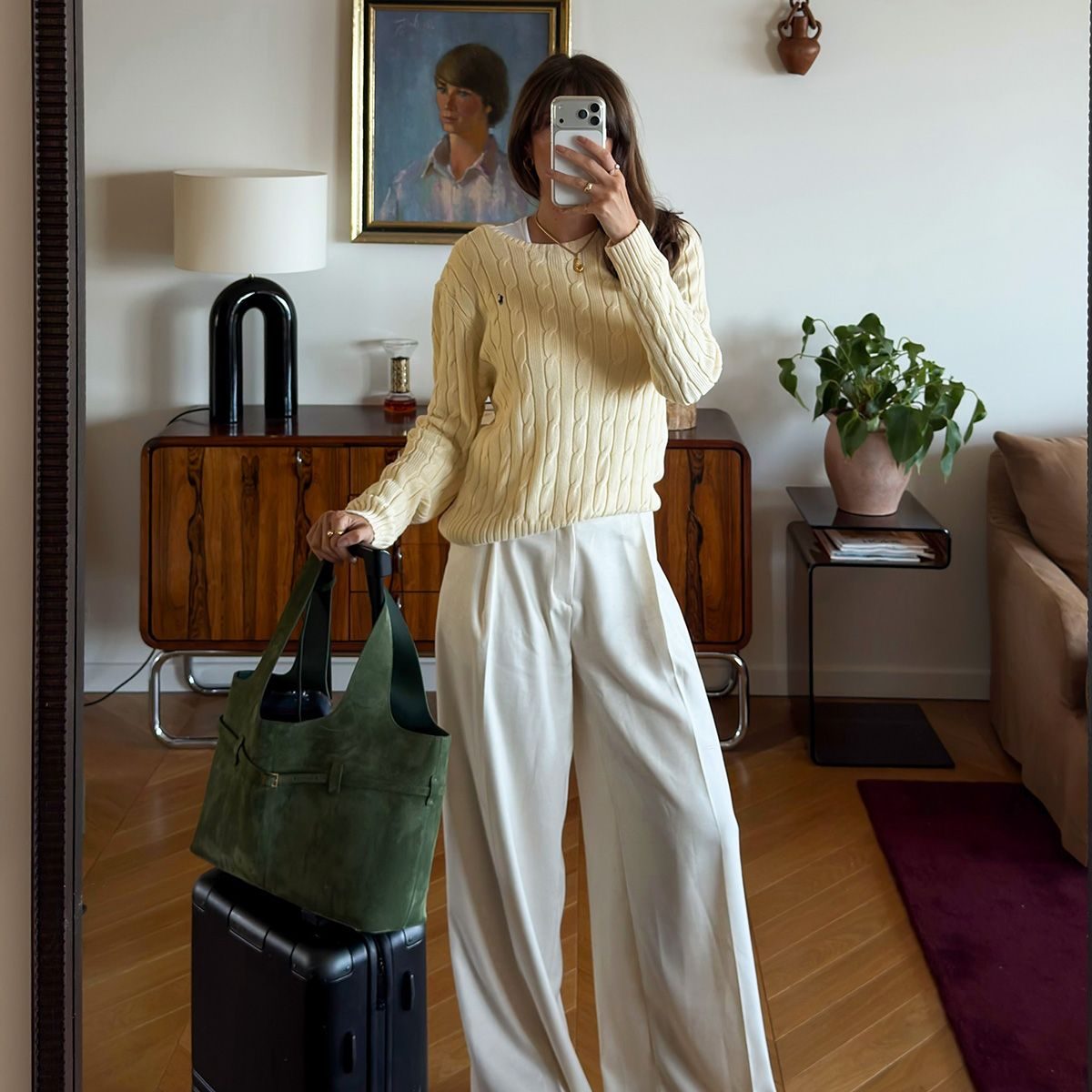
Vintage
Leather ankle boots
The item nobody wanted to live without. Buy boots with a resolable sole and you can plan on five years; glued soles failed for two of the six participants before the month ended.
Search listingsHow to run your own month
- 1
Choose for combination, not for looks
Lay everything you're considering on the bed and count how many other garments each piece pairs with. Anything that works with only one or two others is likely to sit unworn.
- 2
Include two pairs of shoes
The participants with one pair ran out of options by week two. Two pairs, one casual and one smarter, doubles the range of a ten-piece wardrobe.
- 3
Exempt nothing except socks
Every exemption becomes the loophole that breaks the experiment. Underwear, socks and one bag is the maximum; extra jewelry and scarves count as garments.
- 4
Log the wear, not the outfit
A daily note of which pieces you wore is enough. The value is in the end-of-month tally, which tells you exactly what to sell and what to replace.
What to do with the result
All six participants finished with a list of pieces to sell, and in every case the list was dominated by the same categories: printed dresses, statement outerwear and novelty knitwear. Those pieces resell well, which is convenient. The month was not a diet; it was a measurement, and the measurement says most wardrobes contain a third that never earns its space.