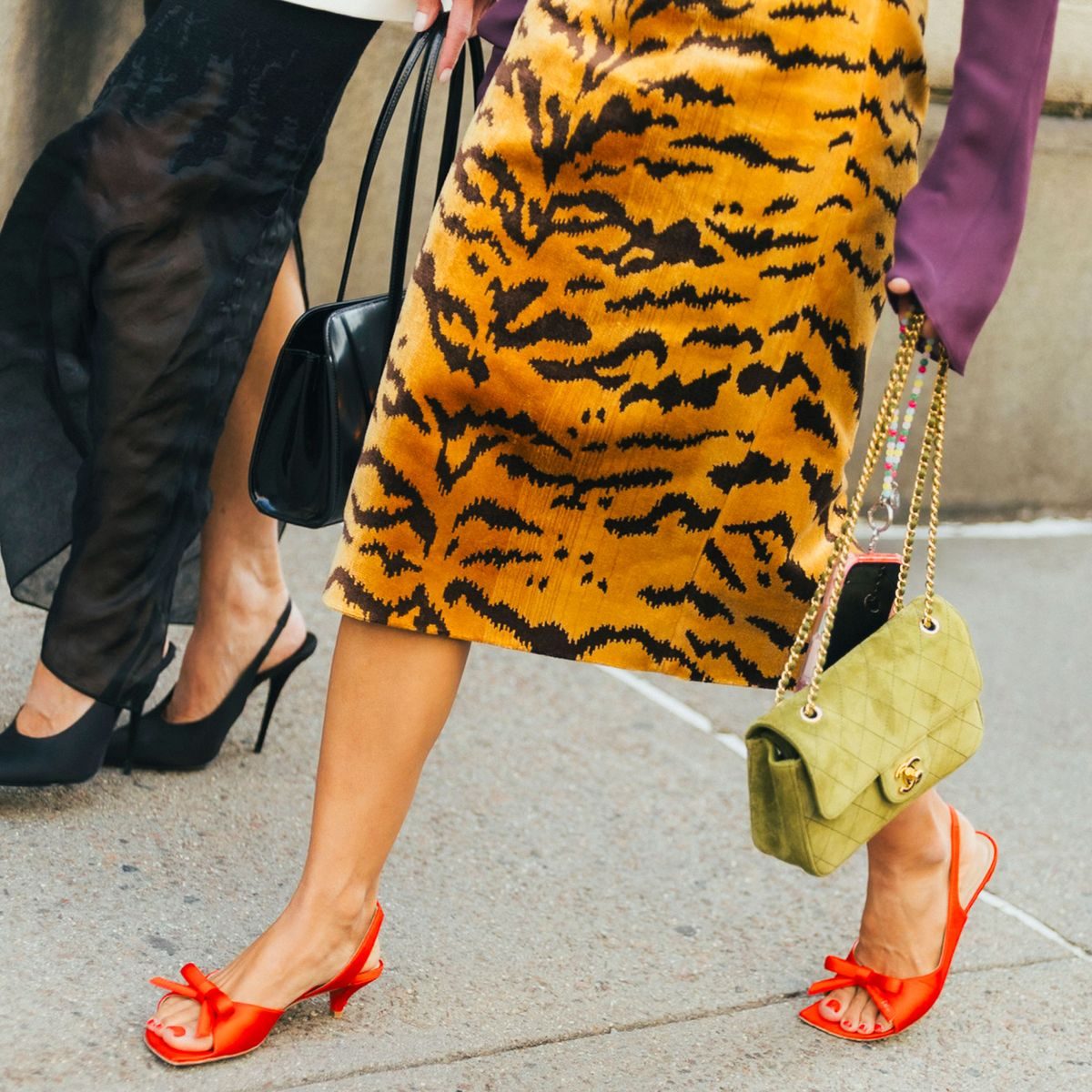
Secondhand loafers are the safest bet in this season's shoe trends: a good pair holds value and a bad pair doesn't cost much. Slingbacks are the opposite, because the strap is the first thing to fail.
Shoes are also the one category where buying secondhand isn't automatically cheaper. Leather molds to a previous owner's foot, insoles hold the shape they were worn into, and a worn-thin sole means a cobbler's bill. Price a pair with the repair included.
What makes a secondhand shoe a bargain or a trap
Three things decide it: the integrity of the sole, the condition of the lining at the heel, and whether the shoe can be re-soled at all. Goodyear-welted and stitched footwear can be rebuilt indefinitely. Glued cement-soled shoes, which is most fast fashion, can be resoled once and then fall apart at the join.
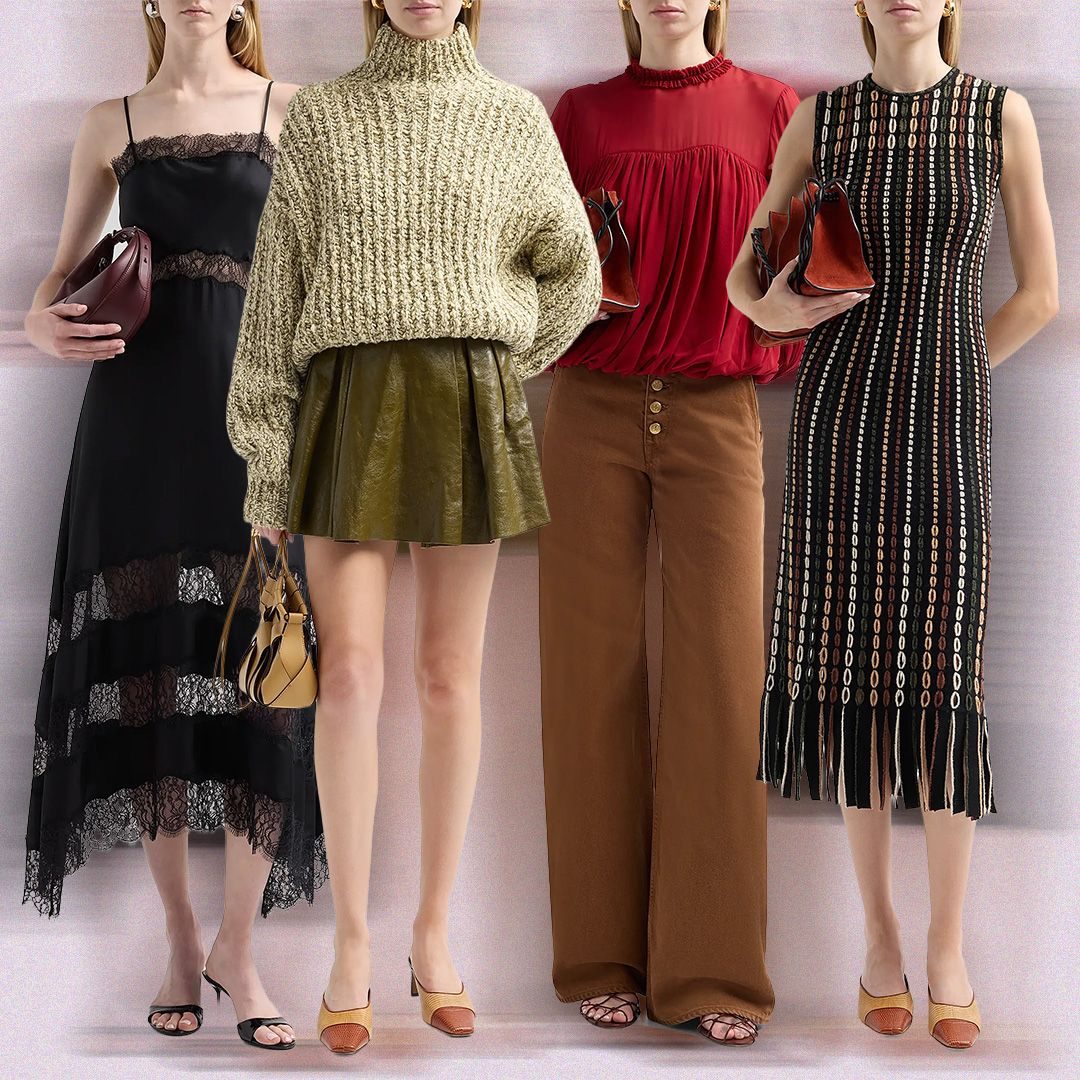
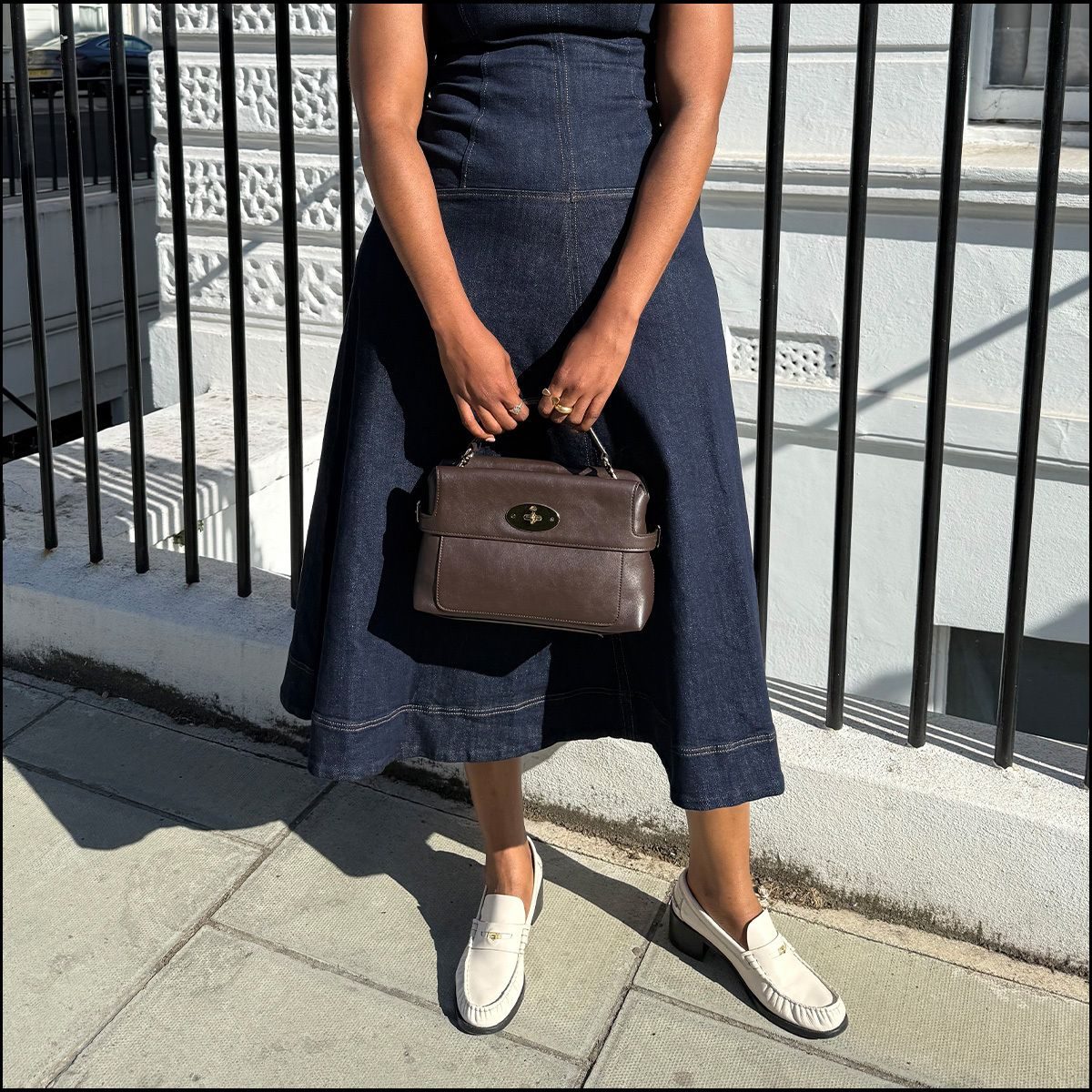
Loafers: the safest buy in the shop
Loafers have the deepest and most stable secondhand market of any shoe because the shape almost never changes. A horsebit loafer from 1985 and one from this season differ in the shape of the toe and nothing else. That means old pairs are not dated, they are simply old, and they sell for $180–320 used against $900 new for the recognizable design.
The middle of the market is where the value sits. G.H. Bass lists its Larson Weejuns penny loafer at $195–$225 full price (ghbass.com, Oct 2026), and Weejun-style pennies often turn up used for $30–60 (est.). Unlined leather loosens with wear, so many people size down half a size; buy your true size in anything lined.
Slingbacks: the one to buy with a plan
Slingbacks are this season's most photographed shoe and its worst resale bet. The elastic back strap is under constant tension and can fail within a season or two, and replacing it properly means taking the shoe partly apart, which can cost more than the shoe is worth secondhand.
That doesn't make them a bad buy. It makes them a rental. A leather slingback at $60–140 used (est.) is worth it if you'll wear it hard for one fall. Suede slingbacks are the disposable version; expect the strap to stretch, and don't pay much for them.
Knee-high boots: heel height and calf measurement
Boots are the only footwear where you should measure before you buy, and the measurement is the calf circumference, taken at the widest point, over trousers if that is how you will wear them. A boot shaft that is more than an inch narrower will not stretch enough, and one more than two inches wider falls down as you walk.
Leather knee-high boots often run $60–140 secondhand (est.), and the price is mostly about the heel. A stacked or block heel can be replaced by most cobblers. A slim stiletto heel on an older boot can mean a bent shank, which is a structural repair and rarely worth it.

How the three behave at resale
Shoe benchmarks, fall 2026 (estimates)
| Style | New (est.) | Used (est.) | Pay up to (est.) | Resale after a season (est.) |
|---|---|---|---|---|
| Horsebit loafer | $900 | $180–320 | $300 | $170–260 |
| Penny loafer | $175 | $30–60 | $70 | $25–45 |
| Leather slingback | $450–700 | $60–140 | $130 | $40–80 |
| Suede slingback | $250–400 | $30–70 | $60 | $15–30 |
| Leather knee-high boot | $350–600 | $60–140 | $150 | $50–110 |
| Suede knee-high boot | $240–400 | $45–95 | $100 | $35–70 |
The pattern is consistent: the more structure a shoe has, the better it holds value. Suede and slingback straps are soft, seasonal and fragile; stitched leather with a solid heel is hard-wearing and always in demand.
Six pairs to search for
The footwear edit
A pair needing a resole should come in well below the top of these ranges. Prices are shown only where we confirmed them on the brand or retailer page in Oct 2026.
Best hold valueBest valueG.H. Bass
Weejun penny loafer
The cheapest genuinely good leather loafer on the market, and old pairs are better made than new ones.
Search listings
Dr. Martens
Chunky-soled leather loafer
Holds value well because the sole is replaceable and the shape reads the same whether the pair is two years old or twenty.
Search listings
Carel or similar
Leather slingback, block heel
Stretch the elasticated strap and let go.
Search listings Built to be repaired
Vintage riding boots
Leather knee-high boot, stacked heel
Riding boots are made to be resoled and re-heeled for decades, which is why they hold value. Ask for the calf measurement before you buy and skip anything with a bent shank.
Search listingsAny maker
Suede knee-high boot, flat
The flat suede boot is a quick seller on resale, in brown especially.
Search listingsTwo minutes at the rack
- 1
Flex the shoe in one hand
It should bend at the ball of the foot and stay stiff everywhere else. Bending in the middle of the arch means the shank has gone, and no cobbler will rebuild it for less than the shoe is worth.
- 2
Look at the sole edge in daylight
A stitched welt can be rebuilt. A glued edge that is already separating at the toe means the shoe is on its last life, however good the upper looks.
- 3
Press the heel lining
The lining behind the heel wears through first. If you can feel the hard counter through the leather, the shoe will rub your heel raw within an hour of walking.
- 4
Walk ten steps on the shop floor
Ten steps tells you about heel slip, toe pinch and whether the shaft falls down. If you would not walk ten steps in them, you will not walk ten blocks either.