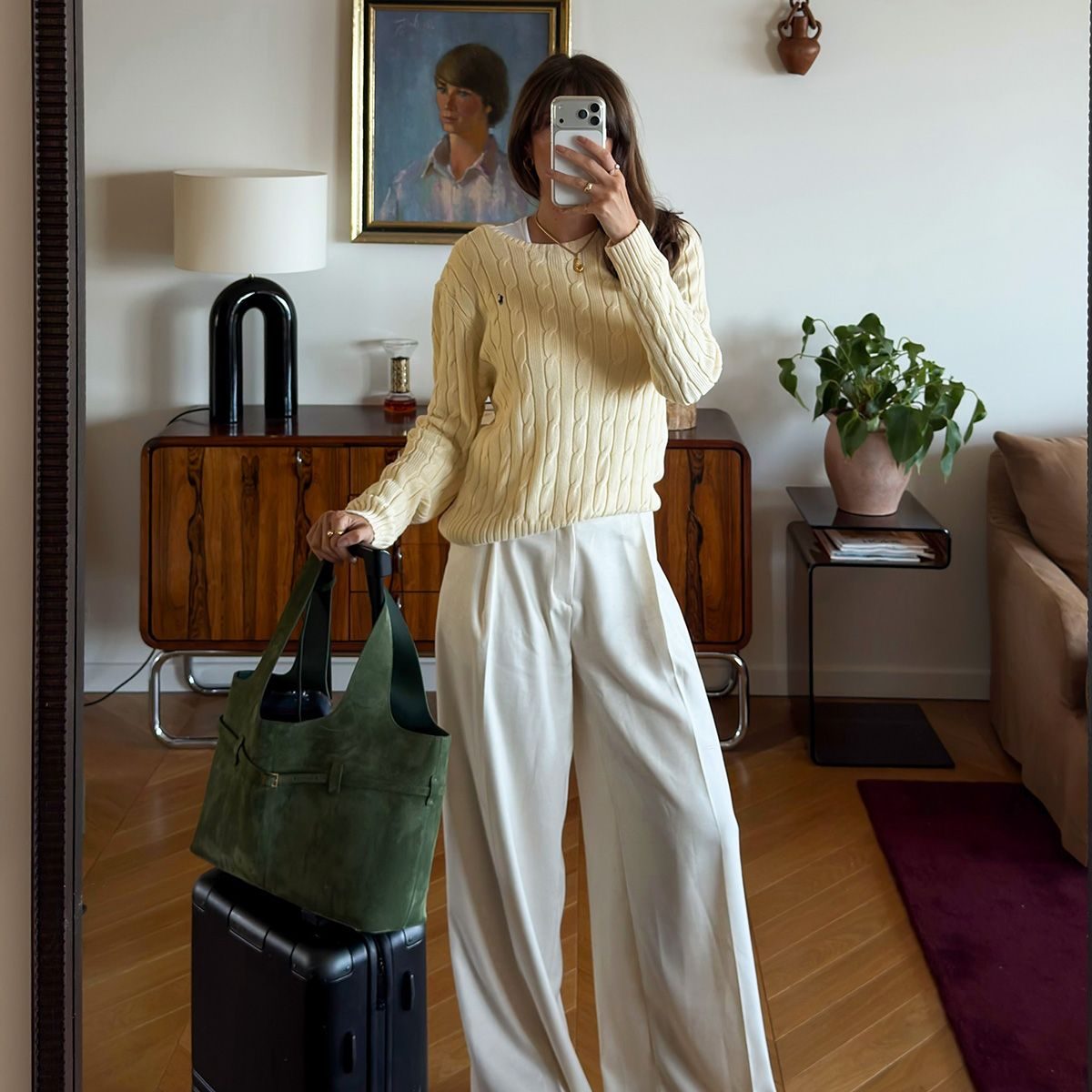
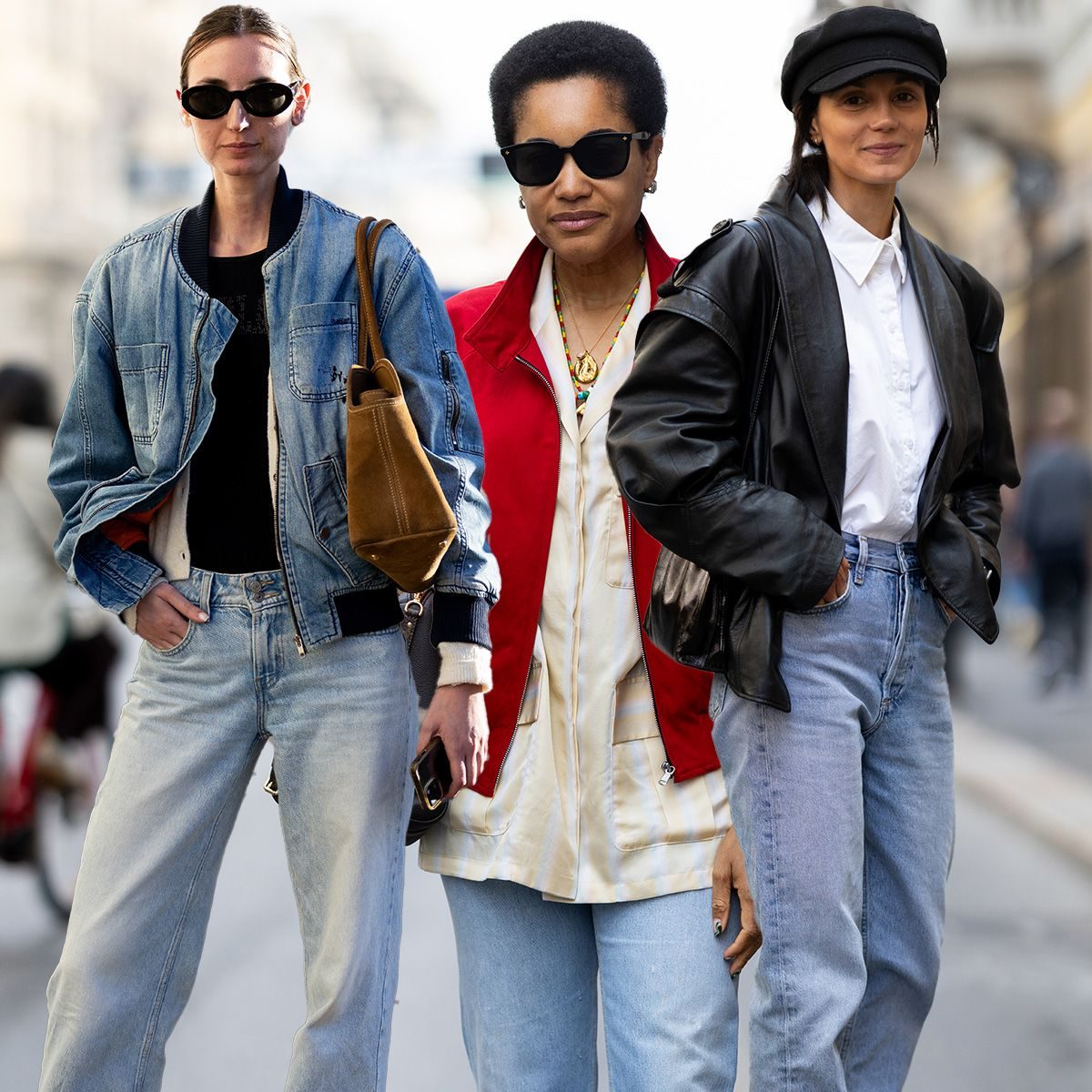
Menswear has a habit of collapsing into two uniforms the moment it is bought secondhand: workwear or tailoring. Both look good on the pavement, and both have the same weakness. The pieces that survive a year of real wear are almost never the ones the buyer was most excited about.
We photographed men outside two markets and three estate sales over the spring, and then followed up with twelve of them nine months later. We asked one question that mattered: which of the secondhand pieces you were wearing that day have you worn more than ten times since? The answers were consistent enough to plan a wardrobe around, and the split was not between workwear and tailoring. It was between pieces with a job and pieces with a look.
The two uniforms, and what each does well
Workwear wins on durability and on the plain fact that it was designed for movement. Canvas, denim and flannel tolerate hard wear, wash without special care, and improve as they age. Tailoring wins on range: a wool jacket and trousers can go to work, to dinner and to a funeral, which no chore coat can. The men wearing either well had understood which property they were buying.
- Workwear buys tolerance — A chore jacket worn over anything, in any weather, without care. The trade is formality: it will never be smarter than a pair of wool trousers, and it is not meant to be.
- Tailoring buys range — One navy or charcoal wool jacket covers about a third of a man's wardrobe occasions on its own. That is the reason secondhand tailoring is worth paying more for than anything else here.
- Both fail on the statement piece — Not one man we followed up with had re-worn the loudest secondhand item he bought. The bold jacket won the photograph and lost the year.
What men re-wore, by the numbers
The pattern is blunt. Trousers and shoes tend to take the most wear, and the pieces bought because they looked distinctive get worn least. Cost per wear, not purchase price, decides which pieces were worth it.
A year of wear, by category (illustrative estimates)
| Category | Typical used (est.) | Example wears | Likely still worn |
|---|---|---|---|
| Wool trousers | $28 | 62 | Yes |
| Leather derby shoes | $55 | 48 | Yes |
| Oxford cotton shirt | $15 | 54 | Yes |
| Chore jacket in canvas | $52 | 41 | Yes |
| Denim trucker jacket | $38 | 33 | Sometimes |
| Bold patterned jacket | $45 | 4 | No |
The jacket I get asked about is not the one I wear. I wear the boring one four days a week and the good-looking one sits by the door.
That is a familiar problem, and it has a cause. A distinctive piece requires the rest of the outfit to be quiet, which means it can only be worn when everything else is plain and clean. A plain piece requires nothing, so it gets worn. If you are buying secondhand to get value rather than a story, buy the piece that requires nothing.
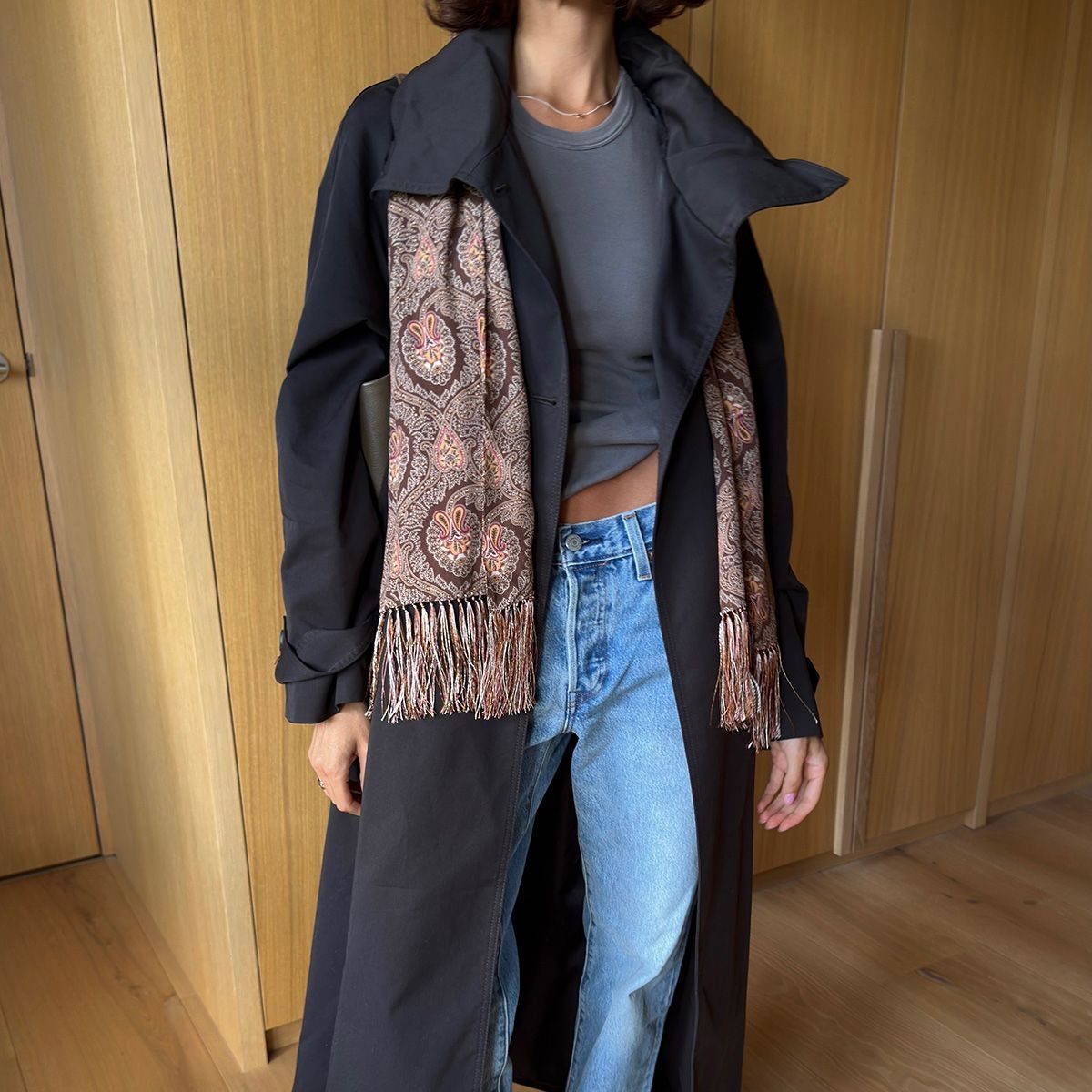
The menswear worth paying for
These are the categories that tend to get worn hardest, at typical secondhand prices. The first four are the kind men end up replacing another piece with, the clearest sign a garment has become part of a uniform.
Shop the menswear that gets worn
Ranked by how hard they tend to get worn, not by how they photograph. Prices are shown only where we confirmed them on the brand or retailer page in Oct 2026.
Most re-wornUnbranded
Wool trousers, flat front
Usually the hardest-worn category. Look for wool on the fiber label (US rules require each fiber at 5 percent or more by name and percentage) and a finished lining, and check the seat and knees in daylight.
Search listings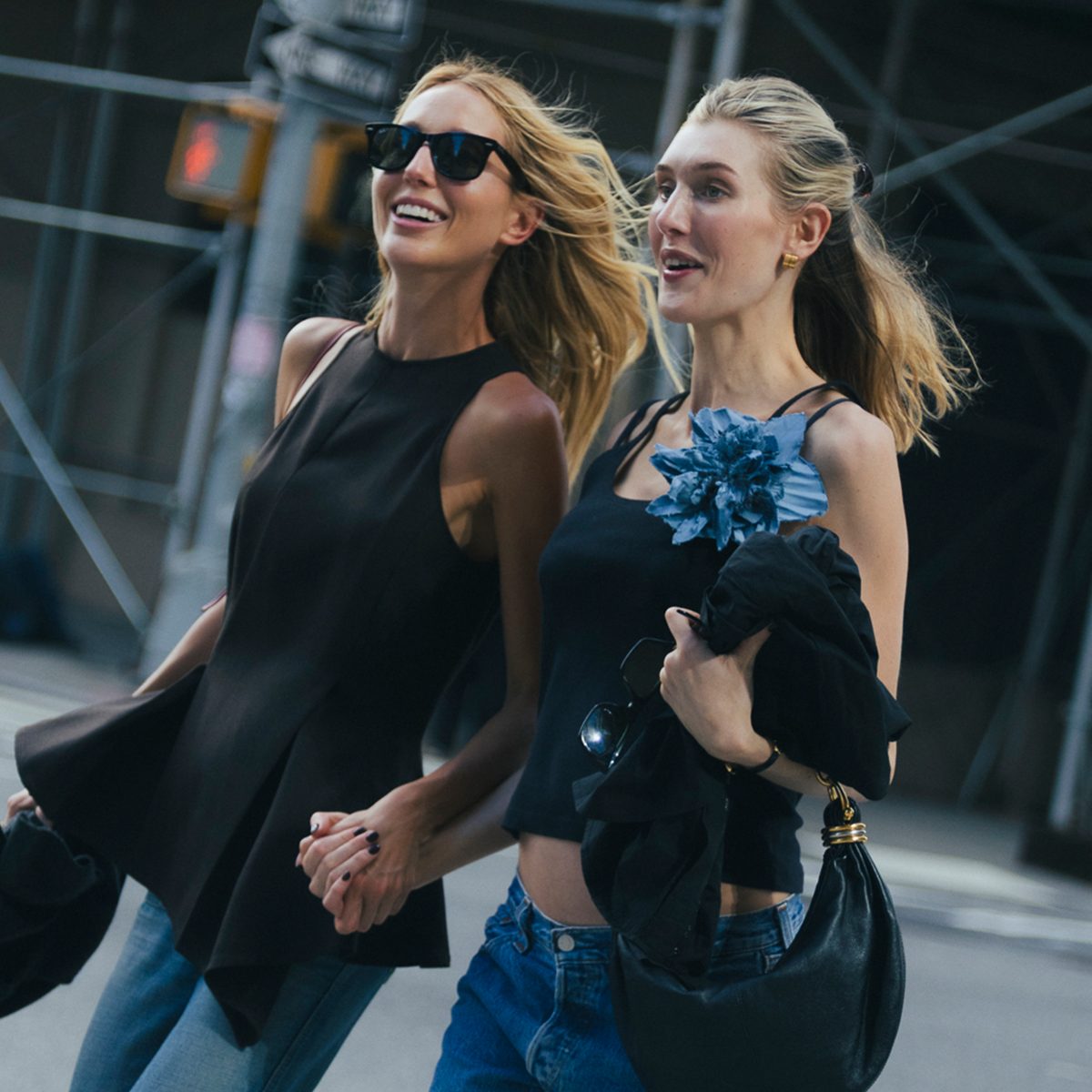
Any maker
Oxford cotton shirt
The piece men replaced with an identical secondhand one, which is the highest compliment a garment can receive. Check the collar and cuffs first: those are the two places that wear out before anything else.
Search listings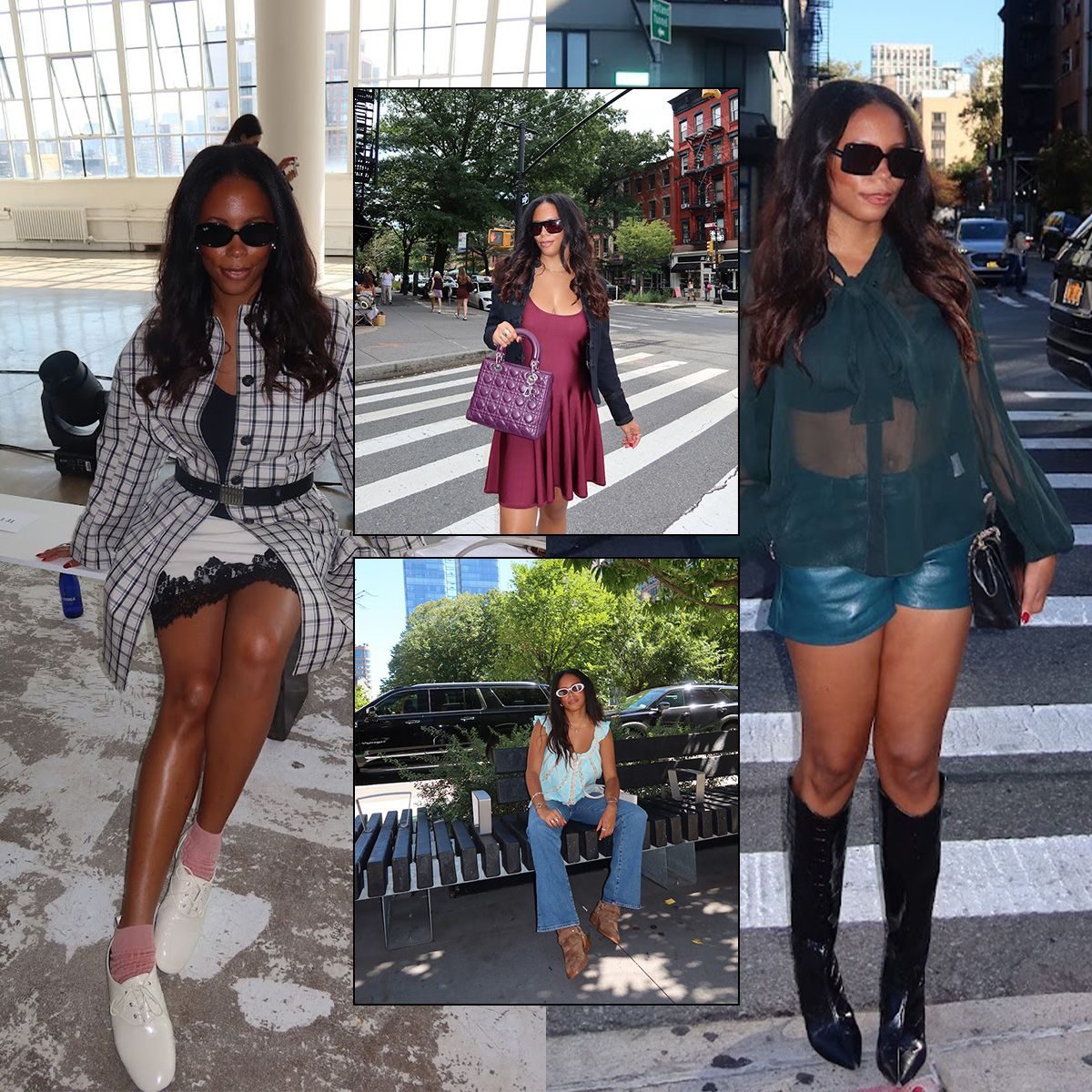
Carhartt (vintage)
Canvas chore jacket
The workwear camp's one piece of real value, and the jacket most likely to improve with wear. A corduroy collar and a quilted lining are the details to look for.
Search listings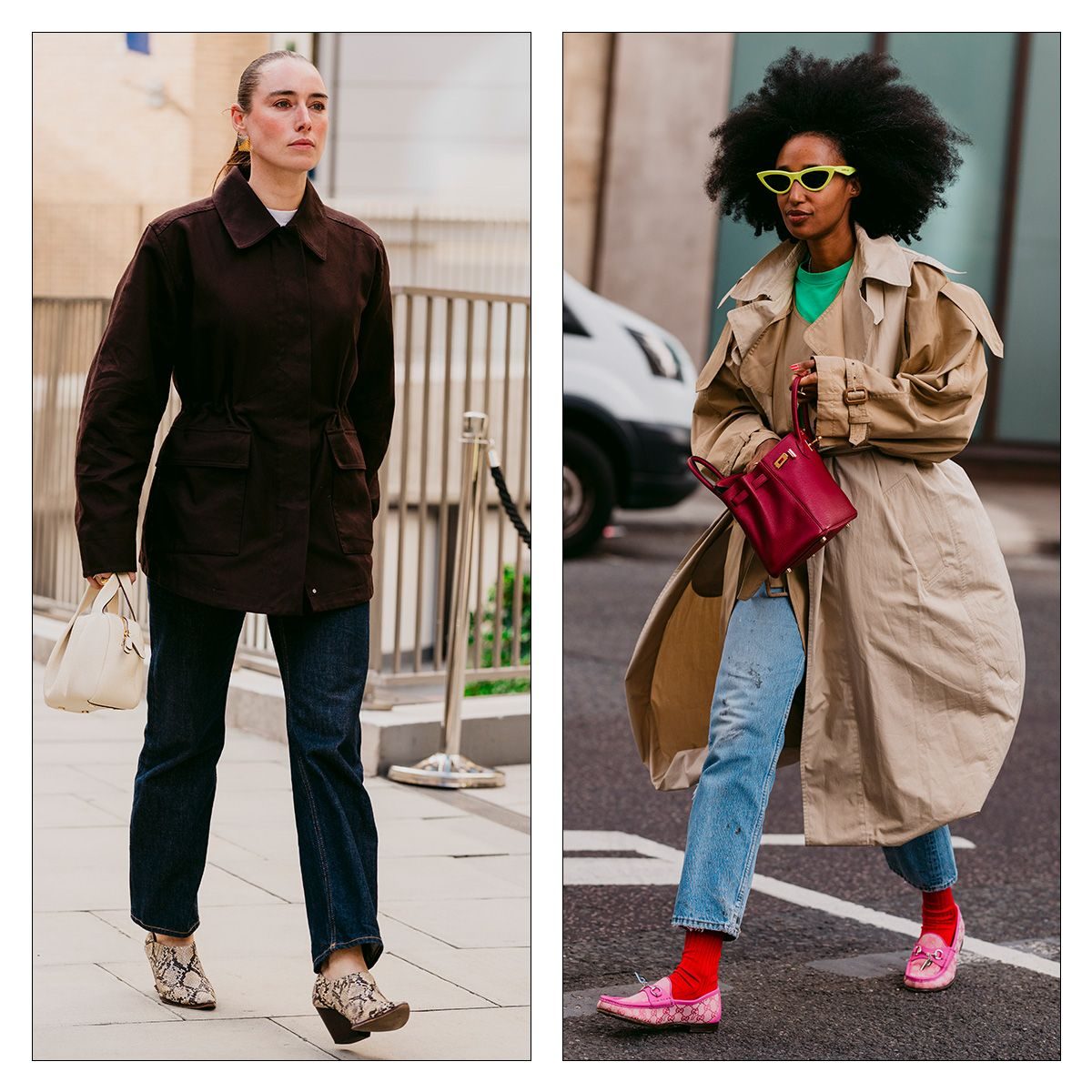
1980s–90s
Leather derby shoes
Forty-eight wears and the only footwear in the study that was still worn weekly at the end. Insist on a stitched, resolable sole; the glued pairs had all been retired or binned.
Search listings
1970s–90s
Wool or tweed sport coat
The tailoring camp's range piece, and a secondhand buy many men repeat. Look for a canvassed front and a working cuff; both signal a jacket built to be adjusted.
Search listingsSizing, and why the label is useless
Secondhand menswear is where sizing confidence decides if you buy well. Older jackets often run smaller than their label, and vintage trouser waists can measure under the tag. The fix isn't memorizing; it's measuring. Take three numbers off a jacket and trousers you own, and ask sellers for the same.
- Median secondhand spend
- Often around $40–60 per piece (est.)
- Pieces still worn after nine months
- Most of the plain pieces
- Pieces re-worn ten times or more
- The trousers, shirts and shoes
- Most re-worn category
- Wool trousers
- Least re-worn category
- Bold patterned jackets
A menswear year, roughly (illustrative)
The lesson both camps share
Workwear men and tailoring men buy for different reasons and end up with the same rule: buy the piece that combines with the most of what you already own, and let the striking piece be the exception rather than the plan. Secondhand makes that rule easier to follow, not harder, because the supply of plain, well-made garments is deep and the price of getting it slightly wrong is a fifth of what it would be new.